More than 96 million Americans are living with prediabetes right now. About 80 percent of them have no idea.
If you’ve just found out your blood sugar is in the danger zone — or you’ve been told you’re “borderline” — here’s what you need to know: prediabetes is not a life sentence. With the right program, most people can bring their blood sugar back to normal range and cut their risk of developing type 2 diabetes by more than half.
The best part? You can do it entirely online, from home, on your own schedule — and if you want to get started while you research your options, HealthyWayFit’s free training program covers the core lifestyle steps at no cost.
This guide compares the 7 best online prediabetes reversal programs available in 2026, including which ones are CDC-recognized, what they cost (many are free through insurance), and how to pick the one that fits your life.
Medical disclaimer: This article is for informational purposes only and is not a substitute for professional medical advice, diagnosis, or treatment. Always consult your doctor or a qualified healthcare provider before starting any new health program.
What Does “Reversing Prediabetes” Actually Mean?

Prediabetes means your blood sugar is higher than normal — but not yet high enough to be classified as type 2 diabetes. According to the American Diabetes Association, that means:
- A1C: 5.7% to 6.4%
- Fasting blood glucose: 100–125 mg/dL
- Oral glucose tolerance test (OGTT): 140–199 mg/dL
“Reversing” prediabetes means getting your numbers back into the healthy range and keeping them there. This is absolutely achievable through lifestyle changes — specifically, modest weight loss (5–7% of your body weight) combined with regular physical activity.
A landmark CDC-funded clinical trial found that people who achieved these targets reduced their risk of developing type 2 diabetes by 58% compared to a placebo group. That’s not a small effect — that’s more than halving your risk.
For a deeper look at what your test numbers mean, see our guide to fasting blood sugar vs HbA1c: which test you need and what your results mean.
Who Is Eligible for an Online Prediabetes Reversal Program?

Most CDC-recognized programs accept you if you meet at least one of the following criteria:
- A1C between 5.7% and 6.4%
- Fasting plasma glucose between 100 and 125 mg/dL
- OGTT result between 140 and 199 mg/dL
- You were diagnosed with gestational diabetes during a previous pregnancy
- You scored 5 or higher on the CDC’s Prediabetes Risk Test
- BMI of 25 or higher (23 or higher if you’re of Asian descent)
You do not need a formal medical referral to join most online programs, though some ask for a recent lab result or a quick eligibility quiz.
For a full breakdown of blood sugar ranges across all diagnostic categories, see normal blood sugar levels: a complete reference guide.
What Makes a CDC-Recognized Program Different?

The CDC’s National Diabetes Prevention Program (National DPP) is a rigorously validated framework. Programs that earn CDC recognition have been independently verified to deliver real results — not just promises.
To earn full CDC recognition, a program must show:
- At least 5% average weight loss among participants who complete the program
- A year-long curriculum with structured sessions and lifestyle coaching
- Ongoing post-program support
The landmark evidence behind the DPP framework — 58% risk reduction, achieved with just a 5–7% reduction in body weight — comes from a randomized controlled trial that enrolled over 3,200 adults. That’s the gold standard your online program should be built on.
Not every program you’ll find online has earned this recognition. We’ve limited our list to programs with either full CDC recognition or a transparent evidence base.
Video: What the National Diabetes Prevention Program looks like in practice — American Diabetes Association (official info session).
The 7 Best Online Prediabetes Reversal Programs in 2026
1. Lark Health DPP
Best for: People who want AI-powered daily coaching without scheduling human calls
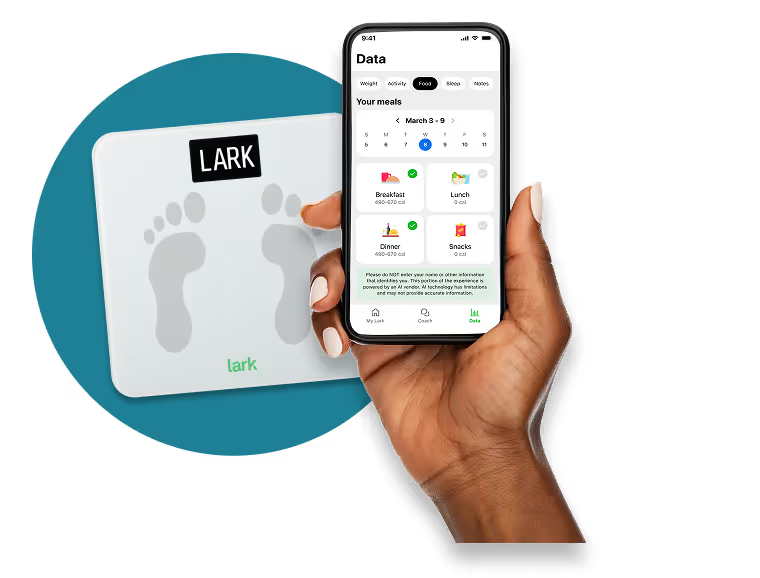
Lark is a CDC-fully-recognized DPP delivered entirely through a smartphone app. An AI health coach checks in with you daily via text-style conversations — tracking your meals, steps, weight, and mood — and provides behavioral nudges and habit coaching over the course of a full year.
A peer-reviewed study published in Digital Health (Graham et al., 2022) found that Lark DPP participants achieved an average of 5.3% weight loss at 12 months. That’s within the range needed to trigger maximum risk reduction.
Access: Most commonly through employer health benefits or a health insurance plan. Check if your plan covers it — many do, at no cost to you.
Cost: Free through many employers and health plans. Self-pay pricing is not publicly listed.
2. Omada Health
Best for: People who want a structured group experience with a dedicated human coach
Omada’s DPP combines weekly group sessions with a dedicated lifestyle coach and a connected digital scale that syncs your data automatically. It’s been running since 2011 and has one of the most robust evidence bases in digital health.
Omada is a CDC-fully-recognized DPP. Multiple peer-reviewed studies have documented significant weight loss and blood sugar improvements at 12 months and beyond.
Access: Through employer health benefits, health insurance plans (including some Medicare Advantage plans), or a self-pay track.
Cost: Free through qualifying health plans. Self-pay options are available; contact Omada directly for current pricing.
3. Noom DPP (Noom for Prediabetes)
Best for: People motivated by psychology-based behavior change and a strong app experience

Noom’s approach to weight loss is grounded in cognitive behavioral therapy (CBT) principles. Their DPP track applies this framework specifically to prediabetes prevention, combining daily lessons, food logging, and human coach check-ins.
Noom is a CDC-recognized DPP provider. If you’re already familiar with Noom’s core app, the DPP track is built on the same platform.
Access: Through Noom’s app; a referral or eligibility verification may be required to access the CDC-recognized DPP track.
Cost: Varies. Noom’s base subscription starts at roughly $70/month, though the DPP track may be covered through insurance.
4. 9amHealth
Best for: People who want a modern, integrated clinic experience — not just an app

9amHealth pairs live care from nurse practitioners and registered dietitians with a sleek app experience. Unlike pure lifestyle programs, 9amHealth can also prescribe medication (including metformin for prediabetes, when clinically appropriate) and order labs.
This makes it especially relevant if your blood sugar is at the higher end of the prediabetes range and your doctor has mentioned medication as an option.
Access: Available in most US states. Sign up directly through their website.
Cost: Varies by plan; check your insurance. A membership model covers ongoing care.
5. Real Appeal (Rally Health / UnitedHealthcare)
Best for: UnitedHealthcare members
Real Appeal is the DPP program offered through UnitedHealthcare and its affiliated plans. It’s a CDC-recognized DPP that includes weekly live video coaching sessions, a success kit (delivered to your door), and a year of structured support.
In published studies, Real Appeal participants have achieved an average weight loss of around 4.5% at 52 weeks.
Access: Exclusively through UnitedHealthcare member benefits.
Cost: Included in qualifying UnitedHealthcare health plans at no additional cost.
6. Virta Health (for High-End Prediabetes Cases)
Best for: People at the very upper end of the prediabetes A1C range, or with strong family history of T2D
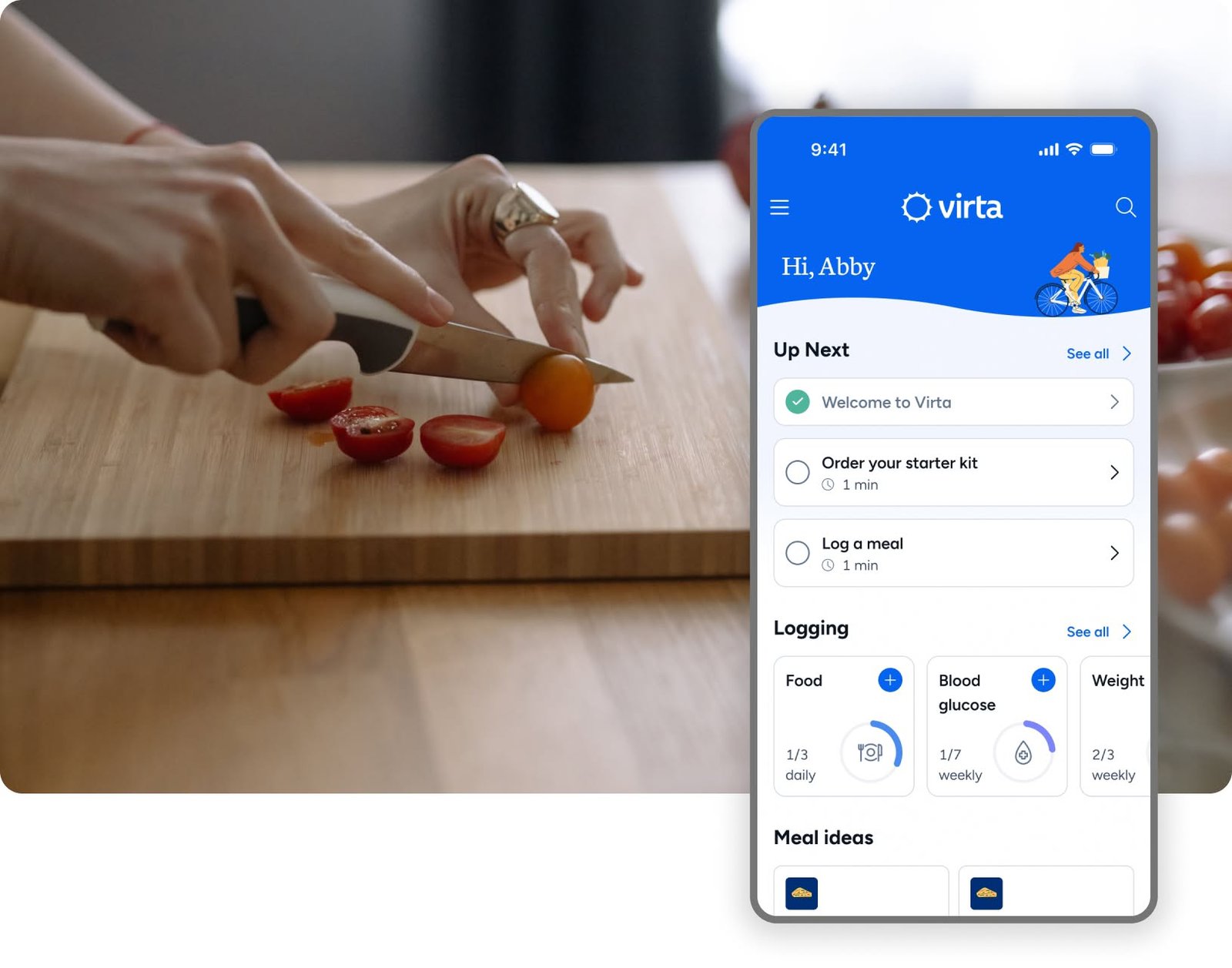
Virta Health is primarily known as a type 2 diabetes reversal program — not a prediabetes prevention program. But if your A1C is 6.2–6.4% and you’re at high risk, Virta’s ketogenic nutrition protocol and continuous physician oversight may be worth considering.
Virta uses a carbohydrate-restricted approach supervised by internal medicine physicians, with continuous remote monitoring and 1:1 coaching. Their published results in type 2 diabetes show significant A1C reductions that go beyond what DPP programs typically achieve.
Learn more about how Virta works in our best virtual diabetes clinic comparison.
Access: Through employer benefits, some insurance plans, and self-pay.
Cost: Self-pay runs approximately $350–$400/month. Employer and insurance coverage reduces this significantly.
7. HealthyWayFit Free Training
Best for: People looking for an accessible, no-cost starting point before committing to a structured program
HealthyWayFit’s free training program is designed for people in the early stages of reversing prediabetes and type 2 diabetes. It covers the core lifestyle pillars — nutrition, movement, stress, and sleep — with practical, actionable guidance you can start applying immediately.
It’s an especially good first step if you’re still exploring your options, if your A1C is on the lower end of the prediabetes range (5.7–6.0%), or if you aren’t yet ready to commit to a year-long structured program. The training is available on demand and doesn’t require any insurance or referral.
Access: Directly at the link below — no referral, no waitlist.
Cost: Free.
Access the HealthyWayFit free training here →
Online Prediabetes Programs: Quick Comparison
| Program | CDC Status | Best Access | Estimated Cost |
|---|---|---|---|
| Lark Health DPP | Fully recognized | Employer / insurance | Free w/ coverage |
| Omada Health | Fully recognized | Employer / insurance / self-pay | Free w/ coverage |
| Noom DPP | Recognized | App direct | ~$70/mo or insurance |
| 9amHealth | Evidence-based | Direct / insurance | Varies |
| Real Appeal | Fully recognized | UnitedHealthcare only | Free w/ UHC plan |
| Virta Health | Not a DPP | Employer / insurance / self-pay | ~$350–400/mo |
| HealthyWayFit | Lifestyle program | Direct | Free |
How Much Does an Online Prediabetes Program Cost?
The good news: for many people, the answer is nothing.
Under the Affordable Care Act, most health insurance plans are required to cover CDC-recognized DPP programs at no cost to you as a preventive care benefit. Medicare also covers the National DPP for qualifying beneficiaries — at no cost if you use a CDC-recognized supplier.
A growing number of employers also offer DPP programs as part of their wellness benefits, often through partnerships with Lark, Omada, or Real Appeal.
If you’re paying out of pocket, self-pay access varies widely — from free (for some programs) to $70–$400/month. Check with your HR department or call your insurance company’s member services line and ask specifically about “diabetes prevention program” or “National DPP” coverage.
For a detailed breakdown of insurance coverage by plan type, see our guide: Does insurance cover diabetes reversal programs in 2026?
If you’re paying out of pocket and cost is a concern, our best diabetes reversal programs for self-pay patients comparison is worth reading before you commit.
What Results Can You Realistically Expect?

The DPP research is clear: modest weight loss makes a dramatic difference.
Losing just 5–7% of your body weight — that’s 10–14 pounds for a 200-pound person — is enough to trigger a 58% reduction in your risk of developing type 2 diabetes. You don’t need to reach an “ideal” weight or follow a restrictive diet.
Most people who complete a full year-long CDC-recognized DPP program lose between 4% and 6% of their starting body weight. Some lose more. Physical activity gains are typically even more consistent — most programs target 150 minutes of moderate activity per week, which by itself has significant metabolic benefits even before weight changes.
Timeline: Most programs see the biggest weight changes in the first 3–6 months, with the rest of the year focused on maintenance and building lasting habits.
How to Choose the Right Program
Ask yourself four questions:
1. Is it covered by my insurance or employer?
Check first. A free CDC-recognized program is almost always the best starting point.
2. Do I want a human coach or an AI coach?
If accountability matters to you and you want a real person to check in with, choose Omada or Real Appeal. If you prefer async, app-based support, Lark or Noom may suit you better.
3. How serious is my situation?
A1C at 5.7–6.0%? Any CDC DPP program will work. A1C at 6.2–6.4% with other risk factors? Consider 9amHealth or Virta for more intensive clinical oversight.
4. Am I in India or outside the US?
Most CDC DPP programs are US-based. If you’re in India and looking for a prediabetes program, our prediabetes program in India guide covers local and global options designed for Indian readers.
When to See a Doctor
An online program is a powerful tool — but it doesn’t replace your doctor.
See your doctor or an endocrinologist immediately if:
- Your A1C is 6.5% or above (that’s type 2 diabetes territory, not prediabetes)
- Your fasting blood sugar is above 126 mg/dL on two separate tests
- You have symptoms like excessive thirst, frequent urination, unexplained weight loss, or blurred vision
- You’re pregnant and have been told your blood sugar is elevated
- You’re already on metformin or another diabetes medication and your numbers are rising
A structured online DPP program works best alongside — not instead of — regular check-ins with your healthcare provider.
Frequently Asked Questions
Can I really reverse prediabetes with an online program?
Yes. Multiple randomized controlled trials confirm that the lifestyle changes at the core of CDC-recognized DPP programs — modest weight loss and regular physical activity — reduce the risk of progressing to type 2 diabetes by 58%. Online delivery has been shown to achieve outcomes comparable to in-person programs.
How long does it take to see results?
Most people see measurable changes in weight and blood sugar within 12–16 weeks of consistent participation. Full A1C improvement typically becomes visible in 3–6 months, since HbA1c reflects a 2–3 month average.
Do I need a referral to join an online DPP program?
No referral is required for most programs. You’ll typically complete an eligibility quiz and may be asked to provide a recent lab result (A1C or fasting glucose test). Your doctor can order these if you don’t have recent results.
What’s the difference between a DPP and a diabetes management program?
A DPP (Diabetes Prevention Program) is designed for people with prediabetes — before diabetes develops. Diabetes management programs are for people already diagnosed with type 2 diabetes. If you’re unsure which category you fall into, your A1C number tells you: below 6.5% is prediabetes or normal; 6.5% and above is diabetes.
The Bottom Line
Prediabetes is reversible — and the evidence for online programs is strong. The CDC’s National DPP framework has been validated in thousands of participants and can reduce your diabetes risk by more than half with just modest lifestyle changes.
Start with what’s free. Check if your insurance or employer covers a CDC-recognized DPP like Lark, Omada, or Real Appeal. If you want a clinical team in your corner, 9amHealth adds medication management and lab access. If you’re not sure where to begin, HealthyWayFit’s free training is a no-cost way to get started today.
Your blood sugar doesn’t have to define your future. But you do need to start.
Reviewed for medical accuracy. Last updated: October 2026.
About the Author
Kirti, Founder & Serial Entrepreneur, HealthyWayFit
This article was reviewed for medical accuracy by a qualified healthcare professional.