

By Kirti, Founder & Serial Entrepreneur, HealthyWayFit
If you or someone you love has been diagnosed with type 2 diabetes, you’ve likely heard about two very different paths to better blood sugar control: Virta Health, a low-carb digital therapeutics program, and Ozempic, the weekly injectable medication that’s become almost a household name.
But choosing between them isn’t simple. One requires a significant lifestyle change. The other is a medication you take indefinitely. One costs a few hundred dollars a month. The other may cost over $1,000.
This article breaks down what the research actually shows — so you can have a more informed conversation with your healthcare provider.
Medical Disclaimer: This article is for informational purposes only and does not constitute medical advice. Always consult a qualified healthcare professional before making any changes to your diabetes management plan, medications, or diet.
Quick Comparison: Virta Health vs Ozempic
| Feature | Virta Health | Ozempic (Semaglutide) |
|---|---|---|
| Type | Digital therapeutic (low-carb program) | Prescription injectable medication |
| Mechanism | Ketogenic/low-carb nutrition + remote care | GLP-1 receptor agonist |
| HbA1c reduction | ~1.3% at 1 year | ~1.2–1.8% in trials |
| Weight loss | ~12% body weight at 1 year | ~5–7% body weight |
| Cost (self-pay) | $299/month + $250 initiation fee | ~$1,027–$1,200/month |
| Requires prescription? | No (but physician-supervised) | Yes |
| Medication reduction? | Yes — 94% reduced/eliminated insulin | No — ongoing medication |
| Lifestyle change required? | Yes — significant dietary shift | Minimal |
What Is Virta Health?
Virta Health is a telemedicine-based program that uses a continuous care model combined with a nutritional ketosis approach (very low-carb/ketogenic diet) to help people with type 2 diabetes reduce or eliminate their medications.
Patients receive ongoing support from a dedicated care team — physicians, health coaches, and dietitians — entirely via an app. The program monitors daily blood glucose, ketone levels, blood pressure, and other biomarkers remotely, allowing physicians to safely taper medications as metabolic markers improve.
Virta has published peer-reviewed research on its outcomes. A landmark 2019 study in Frontiers in Endocrinology (Athinarayanan et al.) following over 260 patients for two years found:
- HbA1c dropped by 1.0% at 2 years
- 94% of insulin users reduced or eliminated their insulin at 1 year
- Mean body weight decreased by ~12% at 1 year
- 60% of participants achieved type 2 diabetes remission criteria at 1 year (defined as HbA1c <6.5% without diabetes medications)
A 5-year follow-up reported approximately 20% sustained remission among continuers.

Virta is available via employer health plans (often at $0 cost to employees) or self-pay at approximately $299/month plus a one-time $250 initiation fee.
What Is Ozempic?
Ozempic is the brand name for semaglutide, a GLP-1 (glucagon-like peptide-1) receptor agonist medication approved by the FDA for adults with type 2 diabetes. It’s administered via a once-weekly injection with a pre-filled pen.
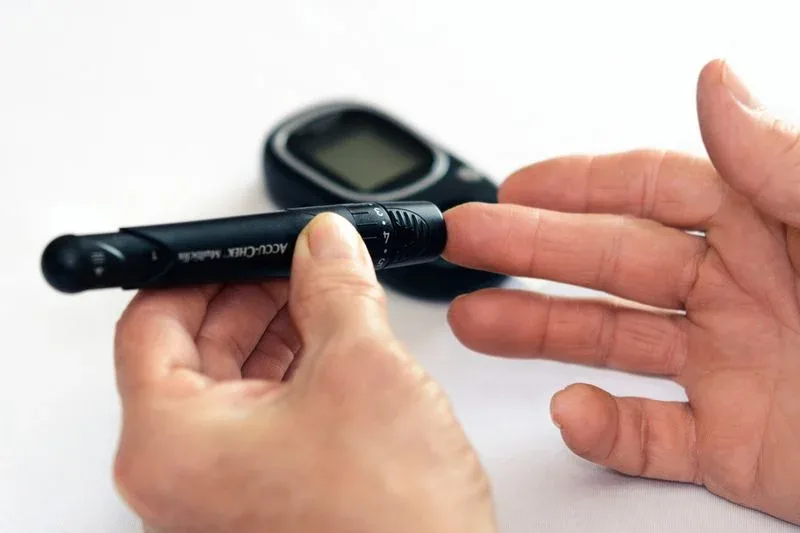
GLP-1 agonists mimic a gut hormone that:
- Stimulates insulin release when blood sugar is elevated
- Suppresses glucagon (which raises blood sugar)
- Slows gastric emptying (you feel full longer)
- Acts on brain appetite centres to reduce hunger
In the SUSTAIN clinical trials, semaglutide reduced HbA1c by approximately 1.2–1.8% and led to weight loss of about 5–7% of body weight at 1 year. Ozempic is also approved to reduce the risk of major cardiovascular events in adults with T2D and established heart disease.
Without insurance, Ozempic typically costs between $1,027 and $1,200 per month in the US. With commercial insurance, copays may run as low as $25/month through manufacturer savings programs.
How They Work: A Deeper Look
Virta: Targeting Carbohydrate Intolerance
Research suggests that much of type 2 diabetes is driven by carbohydrate intolerance — the inability to process large amounts of glucose without causing blood sugar spikes and insulin resistance. Virta’s approach targets this directly.
By drastically reducing carbohydrates (typically below 30g/day), the body shifts its primary fuel source from glucose to ketones (produced from fat). This may reduce the glucose load the body needs to manage, decrease insulin demand, and — over time — potentially improve insulin sensitivity.

This isn’t a new concept. Ketogenic and very-low-carbohydrate diets have been studied for diabetes management since the early 2000s. What Virta added is continuous remote monitoring and physician support to ensure safe medication reduction alongside the dietary change.
Ozempic: Enhancing the Body’s Insulin Response
Ozempic doesn’t directly address insulin resistance or carbohydrate intolerance. Instead, it works by enhancing the body’s natural insulin response and reducing appetite, helping the body manage blood sugar more effectively with the existing metabolic framework.
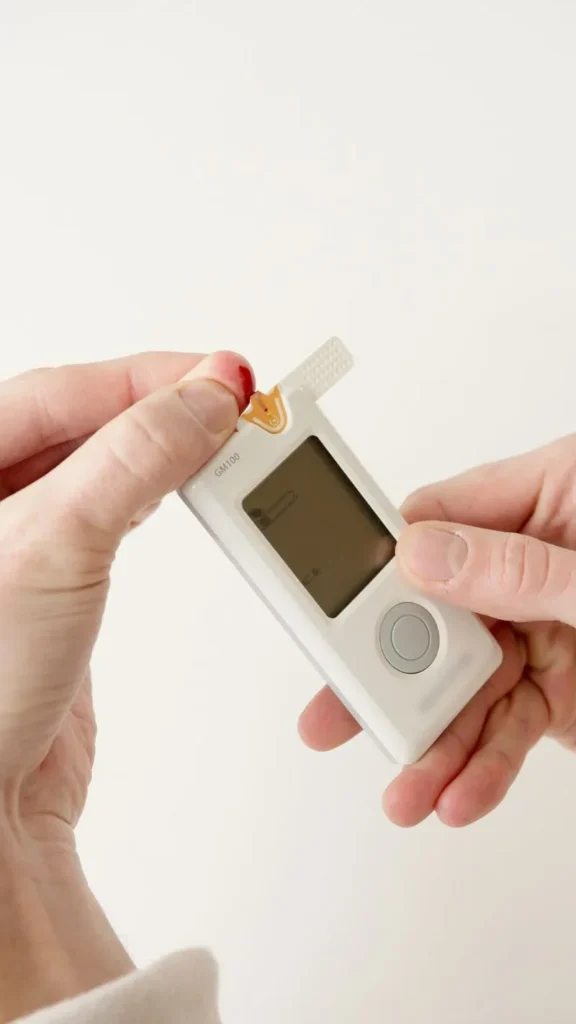
This is an important distinction: Ozempic helps manage blood sugar while you have diabetes; Virta’s goal is metabolic improvement that may allow for medication reduction.
Neither approach guarantees the same results for everyone. Individual response varies significantly based on genetics, disease duration, current medications, and adherence.
Clinical Evidence: What Does the Research Actually Show?
HbA1c Reduction
Both approaches show meaningful HbA1c reductions in clinical studies:
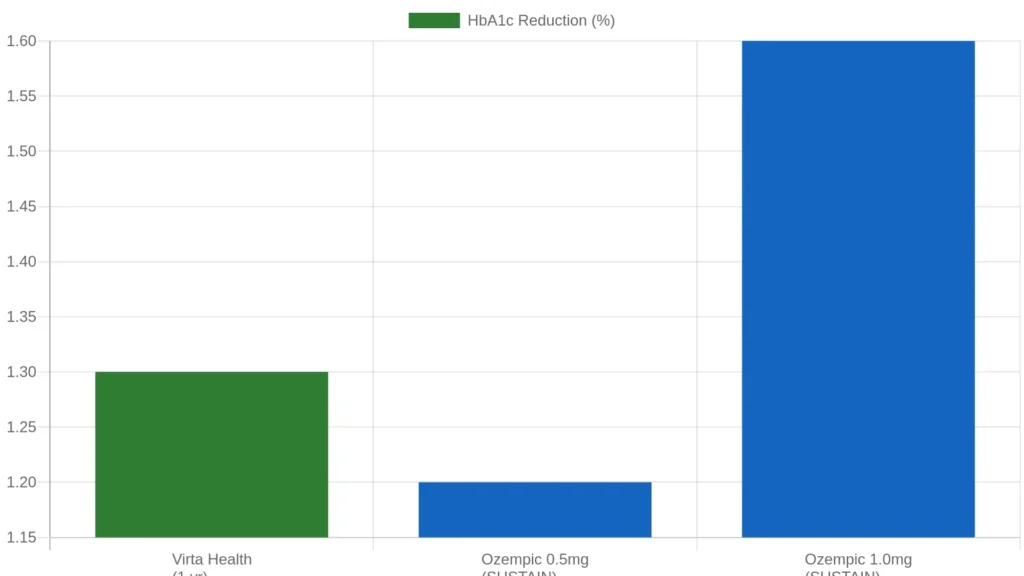
- Virta Health (1 year): Mean HbA1c reduction of ~1.3% in published peer-reviewed trials
- Ozempic 0.5mg (1 year): Mean reduction of ~1.2% in SUSTAIN-1 trial
- Ozempic 1.0mg (1 year): Mean reduction of ~1.4–1.8% in SUSTAIN trials
It’s worth noting that Virta studies are primarily observational with self-selected participants, while Ozempic data comes from randomized controlled trials — a higher standard of evidence. That said, real-world effectiveness often differs from controlled trial settings.
Weight Loss
Weight management is a critical component of type 2 diabetes care:
- Virta Health (1 year): Mean weight loss of approximately 12% of body weight (roughly 25–30 lbs for a 220-lb person)
- Ozempic (1 year): Mean weight loss of approximately 5–7% of body weight
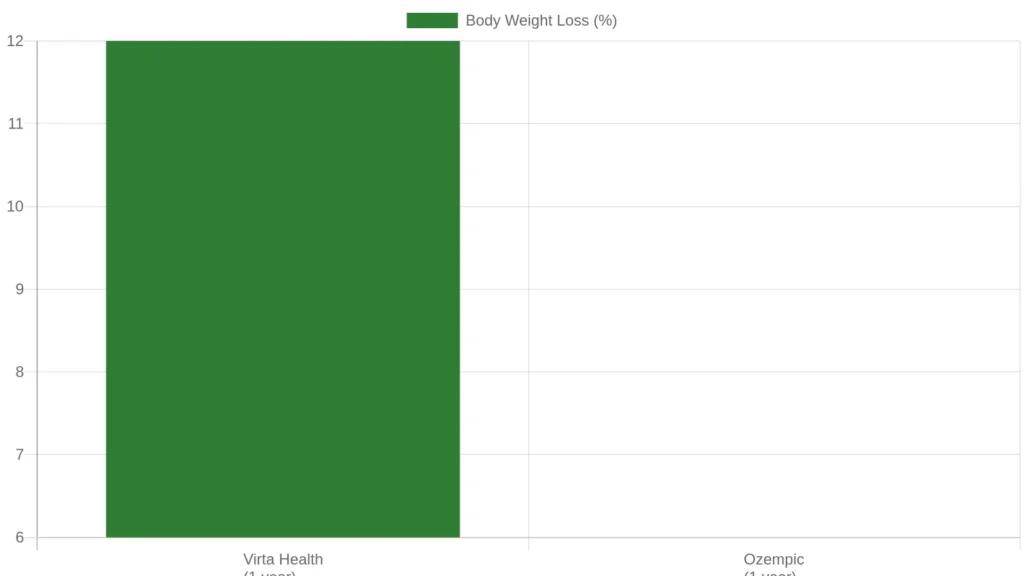
Virta’s weight loss outcomes appear substantially greater, likely because the ketogenic diet creates a larger caloric deficit through appetite suppression, metabolic changes, and reduced carbohydrate-driven insulin spikes.
Long-Term Sustainability
This is where the comparison gets more nuanced:
Virta: The 5-year follow-up showed that participants who remained in the program maintained significant improvements, but dropout rates were substantial (only about 26% of original enrollees completed 5 years). Those who continued showed ~12.5% maintaining diabetes remission at 5 years.
Ozempic: Benefits generally persist as long as the medication is taken. Studies show that stopping semaglutide typically leads to weight regain and blood sugar increases within weeks to months.
Cost Comparison
Cost is a major practical consideration for both options.
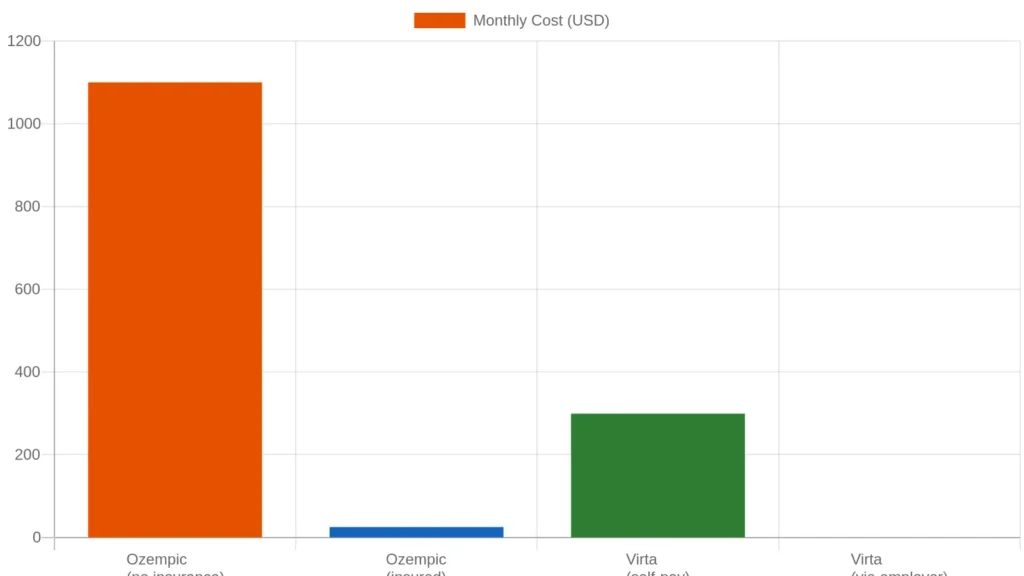
Ozempic without insurance: $1,027–$1,200/month
Ozempic with commercial insurance: As low as $25/month (with manufacturer savings card)
Virta Health (self-pay): ~$299/month + $250 initiation fee
Virta Health (via employer): Often $0 — now covered by hundreds of employers and health plans
If your employer offers Virta through their health benefits, the cost barrier largely disappears. If you would pay yourself, our Virta Health cost breakdown shows the full first-year total and what’s not included. If you’re paying out of pocket without insurance covering Ozempic, the cost difference is dramatic.
Side Effects and Safety
Virta Health
The main challenges with Virta’s approach are:
- Dietary adherence — the ketogenic diet is restrictive and requires significant lifestyle commitment
- “Keto flu” in the first 1–2 weeks (fatigue, headaches, brain fog as the body adapts)
- Hypoglycemia risk during medication tapering — which is why physician supervision is critical
- Social challenges — eating very low-carb in social settings can be difficult
The Virta research reports the program is generally well-tolerated under medical supervision, with no significant increase in adverse cardiovascular events.
Ozempic
Ozempic’s side effect profile is well-documented from clinical trials:
- Nausea — most common, especially when starting or increasing dose (affects up to 15–20% of users)
- Vomiting and diarrhea
- Gastroparesis (delayed stomach emptying) — can be significant in some patients
- Potential thyroid risk — black box warning for potential thyroid C-cell tumor risk in animal studies (clinical significance in humans unclear)
- Pancreatitis — rare but reported
Most GI side effects improve over time. Starting at a lower dose and titrating slowly may help reduce nausea.

Who Might Consider Virta Health?
Virta may be a good fit if you:
- Are motivated to make significant dietary changes
- Want to reduce or eliminate diabetes medications
- Have access to Virta through an employer or health plan
- Are willing to commit to ongoing digital coaching and monitoring
- Do not have conditions that contraindicate a ketogenic diet (kidney disease, certain liver conditions, history of eating disorders — always discuss with your doctor)

Important: Virta requires close medical supervision especially if you take insulin or sulfonylureas, because blood sugar can drop quickly as carbohydrate intake decreases. Do not attempt a very-low-carb diet without adjusting medications under a doctor’s guidance.
Who Might Consider Ozempic?
Ozempic may be a good fit if you:
- Prefer a medication-based approach with minimal lifestyle change required
- Have established cardiovascular disease and want the cardioprotective benefits
- Have tried dietary interventions without sufficient results
- Have health insurance that covers semaglutide
- Are not a good candidate for a ketogenic diet
Can You Use Both Together?
Interestingly, Virta Health has evolved its approach. As of recent reports, Virta now also prescribes GLP-1 medications (including semaglutide) as a complementary tool when clinically appropriate — particularly for patients who benefit from both the metabolic effects of low-carb eating and the appetite suppression of GLP-1s. This is offered through participating employers and health plans; Virta does not publish a self-pay GLP-1 option.
This “best of both worlds” approach is gaining traction in academic medicine. Some diabetes specialists suggest that GLP-1 agonists may be most effective when combined with dietary modifications that address the underlying insulin resistance.
Ultimately, these two options aren’t always mutually exclusive — your care team may suggest a combination based on your specific situation.
When to See a Doctor
See a doctor before making any changes if you:
- Currently take insulin or any diabetes medications
- Have kidney disease, liver disease, or heart disease
- Are pregnant or breastfeeding
- Have a history of pancreatitis
- Have ever had thyroid cancer or a family history of medullary thyroid carcinoma
Both approaches — starting a very-low-carb diet AND starting Ozempic — require physician involvement. Do not attempt medication changes on your own.
Frequently Asked Questions
Is Virta Health the same as just doing a keto diet on your own?
No. Virta combines a ketogenic diet with continuous physician supervision, daily biomarker monitoring, and regular coaching. The medical oversight for safe medication tapering is a key differentiator from simply going low-carb independently.
Can Ozempic cure type 2 diabetes?
Research does not currently support that Ozempic cures or reverses type 2 diabetes. It helps manage blood sugar effectively while taken, but diabetes-related markers typically return when the medication is stopped.
Is Virta Health covered by insurance?
Many large employers and some commercial health plans now cover Virta at $0 cost to employees. Medicare and Medicaid coverage varies. Check with Virta directly about your coverage options.
How long does it take to see results on Virta?
Many Virta participants report improved blood sugar readings within the first week of starting the program, as carbohydrate restriction takes effect quickly. Medication tapering typically begins within the first few weeks under physician guidance.
What are the differences between Ozempic and Wegovy?
Both contain semaglutide. Ozempic is FDA-approved for type 2 diabetes management; Wegovy is FDA-approved for weight management (obesity). Wegovy uses a higher maintenance dose (2.4mg) compared to Ozempic (1.0mg maximum for T2D). Cost and coverage differ.
Summary: Virta Health vs Ozempic
Both Virta Health and Ozempic have demonstrated meaningful clinical results for type 2 diabetes management. Virta may offer greater potential for medication reduction and remission through intensive lifestyle change, while Ozempic provides a more straightforward medication-based approach with robust cardiovascular benefits and RCT-level evidence.
The right choice depends heavily on your individual health status, lifestyle, insurance coverage, and personal preferences — and should always be made in partnership with your healthcare provider.
If you’re looking to understand more about sustainable approaches to metabolic health, explore our free diabetes management resources →
This article is reviewed for medical accuracy. It is not a substitute for professional medical advice. Primary sources: Athinarayanan SJ et al. (2019) Frontiers in Endocrinology; SUSTAIN clinical trial series; American Diabetes Association Standards of Care 2024; NIH National Institute of Diabetes and Digestive and Kidney Diseases.
Last updated: October 2026