Diabetes has become a major health concern in India because of rapid lifestyle changes, urban stress, and poor dietary habits. The majority of new cases are type 2 diabetes, which is strongly linked to obesity, sedentary living, and unhealthy food patterns.
Many patients with type 2 diabetes are unaware of their condition until complications arise, making early management and prevention critical.
While medicines temporarily control blood sugar levels, real progress often comes from lifestyle changes like structured weight loss, a low calorie diet, exercise, and stress management.
In severe cases, even bariatric surgery is used, but long-term success comes when people take steps to reverse type 2 diabetes naturally. Unless action is taken, the growing burden of diabetes will continue to impact millions in India.
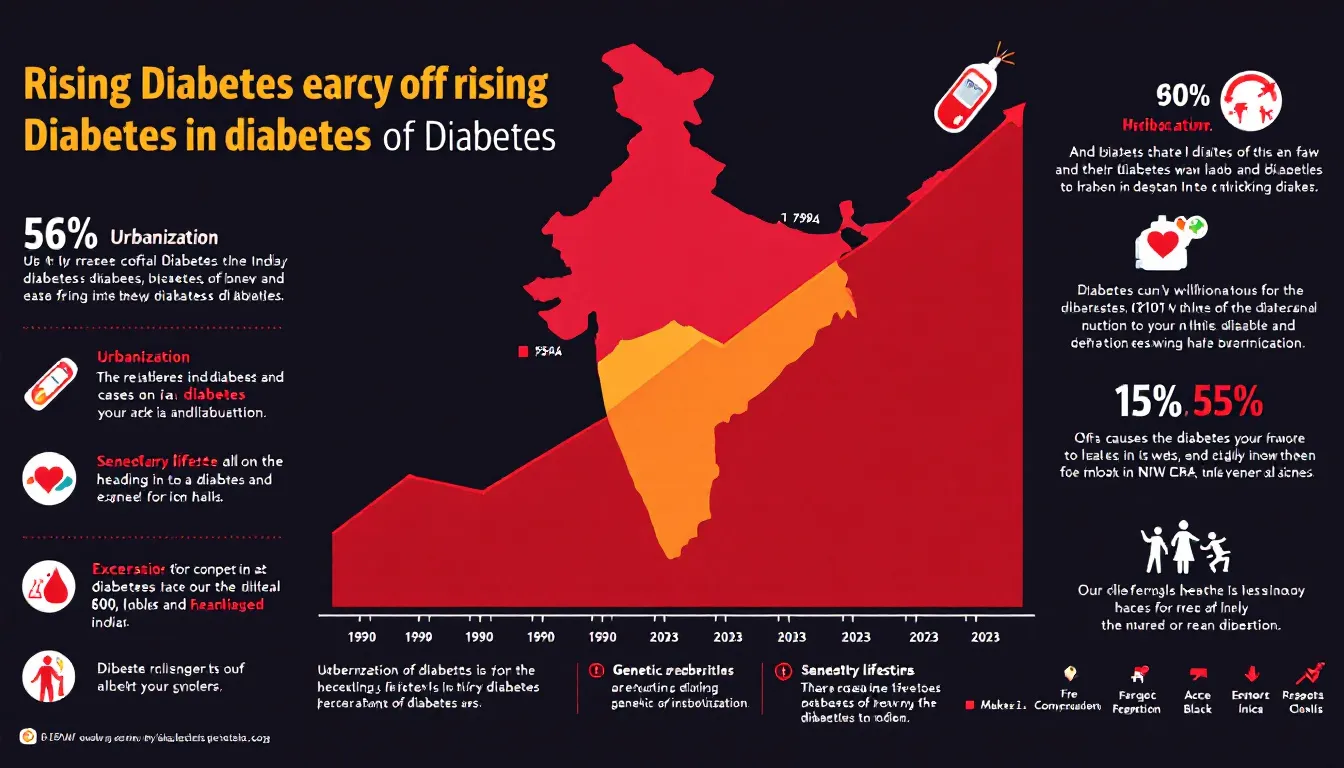
7 Key Reasons Diabetes Is a Growing Concern in India
- Rising Prevalence of Type 2 Diabetes
India has one of the world’s highest numbers of people with diabetes, mostly type 2, driven by lifestyle and genetic factors. - Late Diagnosis of Type 2 Diabetes
Many cases are detected late, reducing the chance to manage or reverse type 2 diabetes before complications set in. - Unhealthy Diets and Low Activity
High consumption of processed food, sugar, and lack of exercise increase obesity and worsen insulin resistance in type 2 diabetes. - Dependence on Medicines Alone
Patients often rely only on tablets and insulin, ignoring sustainable methods like low calorie diet and exercise for long-term control. - Weight Gain and Obesity
Rising obesity rates make type 2 diabetes more common, while structured weight loss can help achieve diabetes remission. - Surgical Interventions Growing
In some cases, bariatric surgery is promoted as a solution, but it is not accessible or sustainable for most patients. - Long-Term Health Risks
Without lifestyle changes, the complications of diabetes—heart disease, kidney failure, vision loss—create a heavy burden for the long term.
Can Type 2 Diabetes Reversal Really Be Achieved Naturally?
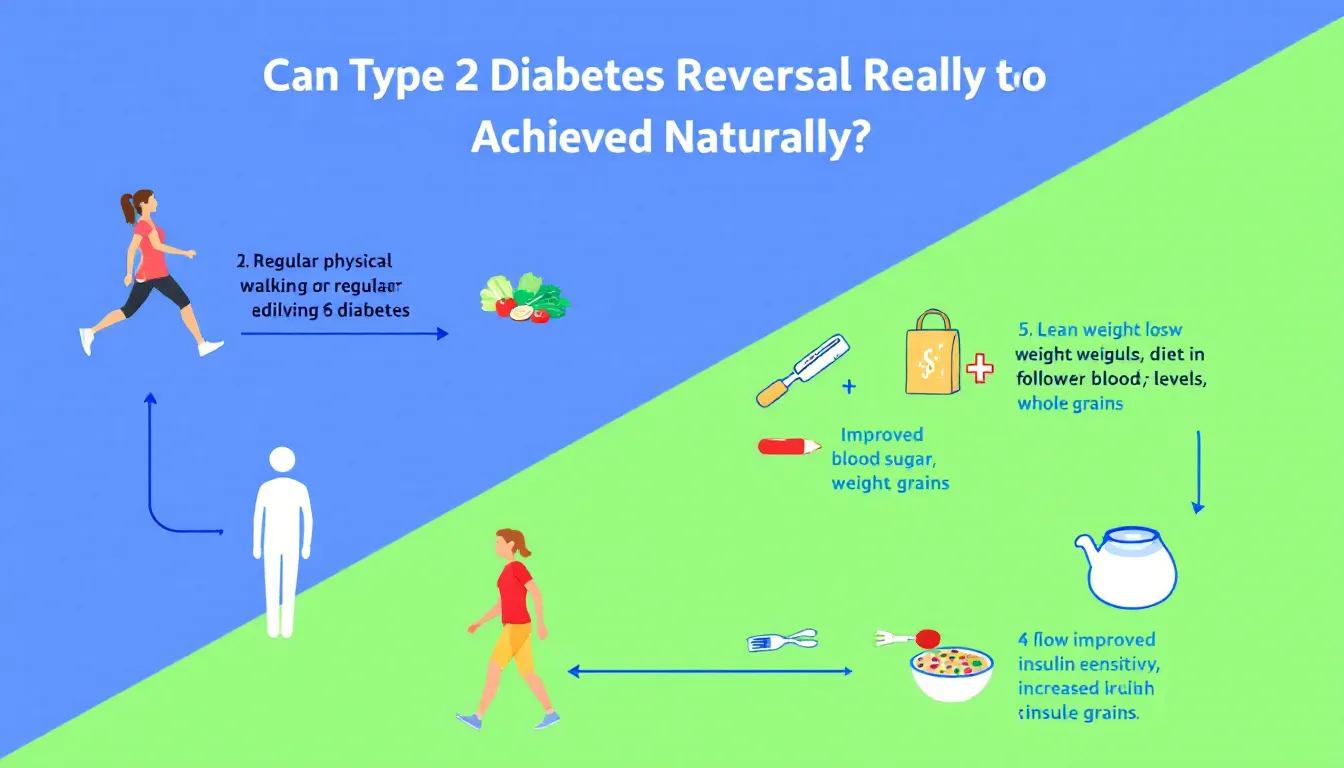
Yes, research increasingly shows that type 2 diabetes reversal can be achieved naturally through structured lifestyle changes. While medicines and bariatric surgery are often used to control symptoms, the root cause of type 2 diabetes is usually linked to poor diet, excess weight, and insulin resistance.
By targeting these factors, many patients with type 2 diabetes have achieved significant improvement in blood sugar levels and even long-term diabetes remission.
The good news is that natural strategies not only help to reverse type 2 diabetes but also improve overall health, energy, and quality of life. Below are key evidence-based strategies.
Natural Strategies to Reverse Type 2 Diabetes
1. Structured Weight Loss
Sustainable weight loss is one of the most powerful tools to improve insulin resistance in type 2 diabetes. Even a 5–10% drop in body weight can bring down glucose levels and reduce the need for medicines.
2. Low Calorie Diet
A balanced low calorie diet (or very low calorie diet under supervision) helps the liver and pancreas recover, improving insulin production and sensitivity. Clinical trials show this can lead to the remission of type 2 diabetes in many patients.
3. Regular Physical Activity
Exercise is critical in the natural reversal of diabetes. Activities like walking, yoga, or strength training increase insulin sensitivity, lower fat around organs, and stabilize your blood sugar levels.
4. Stress and Sleep Management
Stress and poor sleep worsen type 2 diabetes by raising cortisol, which spikes glucose. Stress therapy, meditation, and proper sleep hygiene are essential in diabetes care for the long term.
5. Avoiding Over-Reliance on Medicines
While medicines and insulin may be necessary short term, relying only on them does not treat the root cause. Natural strategies aim for independence from lifelong medication.
6. Early Diagnosis and Action
The earlier people with type 2 diabetes take steps to change their lifestyle, the higher their chances to reverse type 2 diabetes. Late-stage interventions are harder, though still beneficial. Book Consultation
7. Considering Bariatric Surgery as a Last Resort
For severely obese patients with type 2 diabetes, bariatric surgery has been associated with rapid improvement in blood sugar levels. However, surgery carries risks and should be a last option when lifestyle changes are not enough.
What Should You Do If You Have Type 2 Diabetes for Early Reversal?
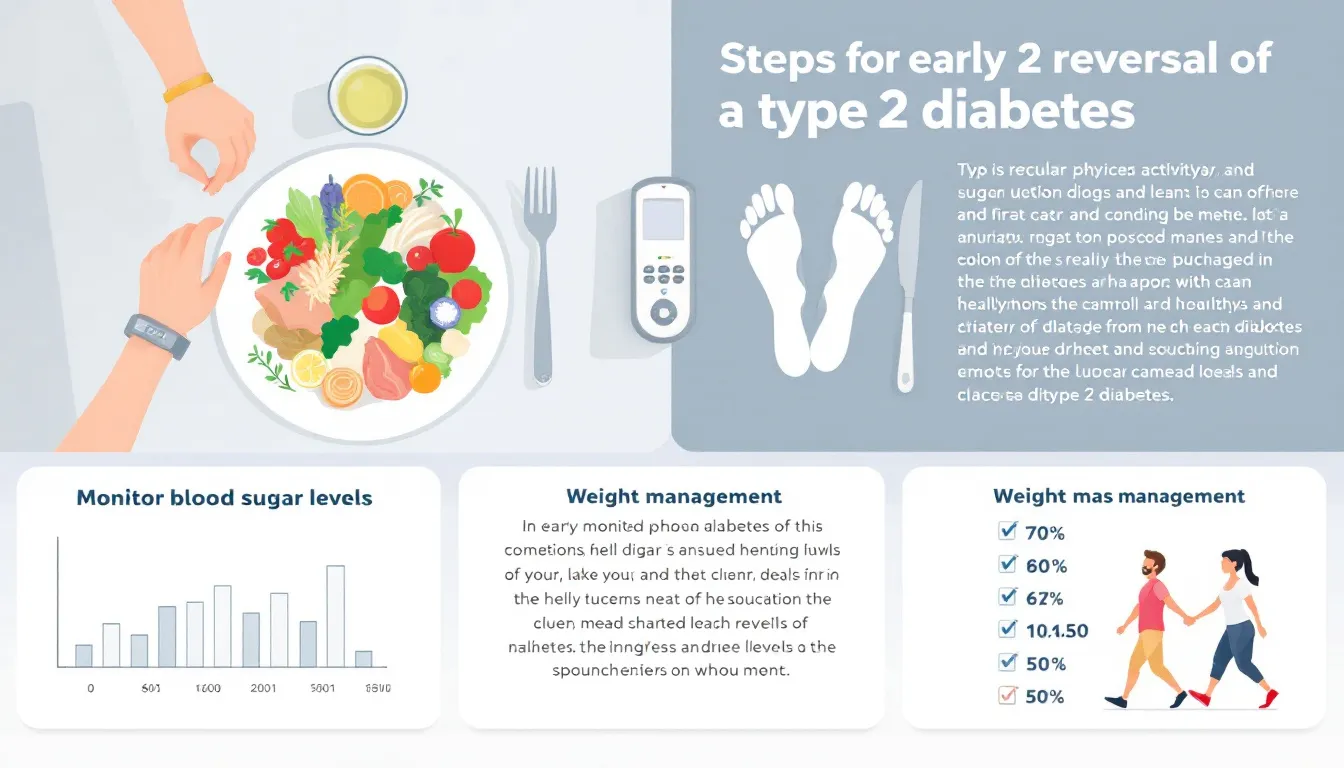
If you have type 2 diabetes, the first few years after diagnosis are the most critical. This is when lifestyle changes can have the strongest impact on insulin sensitivity and fat metabolism, giving you the best chance to reverse type 2 diabetes or put it into remission of type 2 diabetes.
Acting early means you can prevent complications, reduce medication dependence, and reclaim long-term health.
Here’s a detailed breakdown of the most effective strategies.
1. Focus on Weight Loss for Better Insulin Sensitivity
Excess fat in the liver and pancreas is one of the main drivers of type 2 diabetes. This fat reduces insulin secretion and worsens glucose control.
Achieving weight loss of even 5–10% of body weight has been shown in the study DiRECT Trial (UK) to restore insulin function and significantly lower blood sugar levels.
- Why it matters: Losing fat helps your pancreas produce insulin more effectively.
- How to do it: Aim for gradual weight loss through diet changes and activity, not crash diets. Consistency matters more than speed.
- Result: Many patients with type 2 diabetes who lost at least 10–15 kg were able to achieve diabetes remission.
2. Adopt a Low Calorie Diet
A low calorie diet—sometimes very low calorie under supervision—reduces fat storage in the liver and pancreas. This dietary change directly targets the root cause of diabetes instead of just the symptoms.
- Why it works: Lower calorie intake forces the body to use stored fat, reducing insulin resistance.
- Evidence: Research shows a structured low calorie diet can lead to long-term remission of type 2 diabetes in newly diagnosed patients.
- Tip: Use familiar foods (dal, roti, rice, vegetables) but in balanced portions. Avoid processed sugar and refined carbs.
3. Commit to Regular Physical Activity
Exercise is a natural “medicine” for diabetes. It burns excess calories, improves muscle insulin sensitivity, and supports weight loss.
- Why it matters: Exercise lowers glucose in type 2 diabetes by helping muscles absorb sugar without needing as much insulin.
- Best practices: Aim for at least 150 minutes of activity per week. Include brisk walking, yoga, resistance training, or cycling.
- Result: Regular movement helps stabilize blood sugar levels and prevents weight regain, crucial for long-term success.
4. Monitor Your Blood Sugar Levels Daily
Early monitoring gives you control over type 2 diabetes. It shows how your body responds to food, exercise, stress, and sleep.
- Why it matters: Many people with diabetes don’t realize which habits spike their sugar. Monitoring helps identify triggers.
- Tools: Glucometers or Continuous Glucose Monitoring (CGM) devices make tracking easy.
- Result: Better awareness = faster progress toward reversing diabetes.
5. Don’t Depend Only on Medicines
While tablets and insulin are necessary for many patients with type 2 diabetes, they don’t address the root cause. Medicines lower glucose temporarily, but the disease progresses unless lifestyle changes are made.
- Why it matters: Relying only on medication keeps you in a cycle of dependency.
- Solution: Use medicines as support while working on diet and lifestyle changes.
- Goal: Reduce or even eliminate the need for medicines by targeting the cause.
6. Manage Stress and Improve Sleep
Stress and poor sleep are hidden drivers of type 2 diabetes. High cortisol levels make your body resistant to insulin, raising glucose.
- Why it matters: Many patients with diabetes struggle with stress from work, family, or health worries—worsening their condition.
- How to fix it: Practice meditation, breathing exercises, or yoga. Aim for 7–8 hours of quality sleep each night.
- Result: Lower stress = better insulin sensitivity and smoother sugar control.
7. Consider Bariatric Surgery in Special Cases
For severely obese patients with type 2 diabetes, lifestyle alone may not be enough. Bariatric surgery can help reduce weight quickly and improve insulin sensitivity.
- Why it works: Surgery reduces stomach size, cutting calorie intake and fat storage.
- Evidence: Many patients go into remission of type 2 diabetes within months after surgery.
- Caution: Surgery has risks and costs, so it should be a last resort, not the first step.
How Does Bariatric Surgery Help in the Reversal of Diabetes?
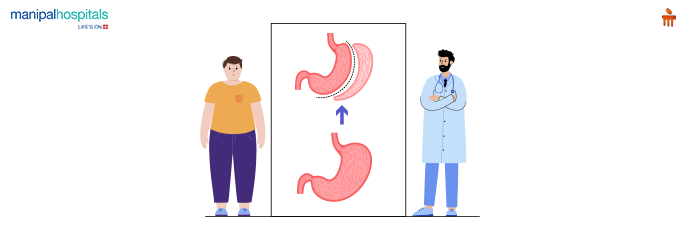
Bariatric surgery is one of the most effective interventions for people with diabetes, especially those who are obese and struggling to control blood glucose with medicines and lifestyle changes.
It is not just a weight-loss surgery; it triggers powerful metabolic changes that help to reverse diabetes and even put diabetes in remission. Let’s explore how this works in detail.
1. Rapid Weight Loss Reduces Insulin Resistance
One of the biggest causes of type 2 diabetes is excess fat stored in the liver and pancreas, which interferes with insulin production and usage. After bariatric surgery, you lose weight quickly because the stomach is smaller and calorie intake drops drastically.
- This reduction in fat lowers insulin resistance.
- Less fat in the liver and pancreas improves how insulin is released and used.
- The study findings show that diabetes can be controlled or even reversed in many patients once this fat burden is reduced.
2. Low Calorie and Very Low Calorie Effects
After surgery, the diet naturally shifts into a low calorie or sometimes very low calorie phase. This sudden reduction in energy intake has an immediate effect on glucose control.
- A low calorie state improves insulin sensitivity within days.
- Your blood sugar levels drop significantly because the body begins using stored fat for energy.
- This dietary restriction mimics the effects of therapeutic very low calorie diets often prescribed in advanced diabetes care.
3. Hormonal Changes That Support Reversal
Bariatric surgery alters gut hormones that regulate hunger, digestion, and blood glucose control.
- GLP-1 (glucagon-like peptide-1) increases, improving insulin release.
- Ghrelin (hunger hormone) decreases, reducing overeating.
- These changes mean patients feel full faster, eat less, and stabilize your blood sugar more efficiently.
This hormonal reset is one reason why reversing diabetes can happen even before dramatic weight loss occurs.
4. Improved Function of the Liver and Pancreas
The excess fat around the liver and pancreas is strongly associated with the development of type 2 diabetes. Bariatric surgery reduces this fat and allows both organs to recover.
- The pancreas regains the ability to produce insulin effectively.
- The liver stops overproducing glucose, leading to better fasting sugar control.
- As a result, many patients move into remission within weeks to months.
5. Long-Term Diabetes Care and Remission
While not every patient achieves full remission, bariatric surgery provides a unique opportunity.
- Studies show that type 2 diabetes may be put into remission for up to 10–15 years in some patients.
- Early surgical intervention works better than waiting until severe complications develop.
- For many, it reduces or eliminates the need for insulin or other medications, changing the future of diabetes care entirely.
6. Beyond Just Weight Loss – Metabolic Reset
It is important to note that the benefits are not just because you lose weight. Even before major weight loss happens, changes in hormones, gut microbiome, and calorie intake play a role in putting diabetes in remission.
This metabolic reset is why bariatric surgery is sometimes called “metabolic surgery.” It is not only for obesity but also a therapy for diabetes itself.
What Happens If You Depend Only on Medicines and Insulin for Diabetes?

There are clear short-term benefits to medicines and insulin — they lower blood glucose quickly and reduce the immediate risk of hyperglycaemia.
But depending only on medicines and insulin without addressing the root causes (weight, diet, activity, stress) means you may control numbers while the underlying disease process continues.
Over time that can lead to weight gain, ongoing insulin resistance, progressive loss of pancreatic function, treatment side effects, and a higher chance of complications — and it misses the opportunity for type 2 diabetes to be reversed or put into remission through weight loss and lifestyle change.
1) Immediate effects: what medicines and insulin do well
- Rapid lowering of blood glucose. Insulin and many glucose-lowering drugs are effective at bringing down high sugar levels, preventing acute complications such as diabetic ketoacidosis (in type 1) and severe hyperglycaemia.
- Symptom relief. Once sugars fall, fatigue, thirst, and blurry vision often improve quickly.
- Protection from some short-term harms. Proper glycaemic control reduces short-term risks and helps avoid emergency situations.
There are strong reasons to use medicines and insulin — they save lives and prevent acute harms — but that is only part of care.
2) What relying only on drugs tends to not do (the root-cause gap)
- It doesn’t remove the excess fat around the liver and pancreas that drives insulin resistance — the metabolic problem central to type 2 diabetes is often fat-related, and drugs usually treat the symptom (high glucose) rather than the cause.
- It can mask disease progression. Numbers look “controlled” while underlying pancreatic beta-cell stress continues — so the rest of the disease process can quietly worsen.
- It misses the chance to reverse diabetes. Interventions that produce major sustained loss of weight (for example, structured low calorie diets or bariatric surgery) have been shown to put many people into remission — outcomes medications alone rarely achieve.
3) Weight and insulin: the paradox
- Insulin often promotes weight gain. Because insulin helps the body store glucose and fat, intensive insulin therapy frequently leads to increased appetite and weight gain — a very common and clinically important effect.
- This increase of weight can worsen insulin resistance, creating a feedback loop where more insulin (or higher drug doses) are needed.
- Some diabetes medicines are weight-neutral or weight-loss promoting (such as GLP-1 receptor agonists and SGLT2 inhibitors), but many older drugs and insulin cause weight gain. Choosing therapies should consider weight effects.
4) Long-term clinical consequences if lifestyle is ignored
- Ongoing risk of complications. Good glucose numbers reduce risk, but cardiovascular, renal and nerve damage risk remain higher when metabolic health (weight, lipids, blood pressure, inflammation) isn’t improved.
- Putting emphasis only on drugs may leave these other drivers unaddressed.
- Medication burden and side effects. Over time patients may accumulate more medicines (“polypharmacy”), increasing cost, side-effects, and adherence problems. Non-adherence is common and linked to worse outcomes.
- Reduced chance of remission. Evidence from trials (for example DiRECT and related studies) shows that substantial, sustained weight loss produced by intensive dietary programs can put a large proportion of people with type 2 diabetes into remission — an outcome medications alone rarely produce.
5) Mechanisms — why lifestyle (weight loss, low calorie states) can reverse diabetes but drugs alone often cannot
- Fat in the liver and pancreas impairs insulin signalling and insulin secretion.
- When you produce a sustained energy deficit (a low calorie or very-low-calorie state, or after bariatric surgery), that ectopic fat is mobilized — the pancreas recovers, insulin secretion improves, and blood glucose can normalise.
- That’s why reversing diabetes is possible for many people.
- Medications change glucose handling (less glucose production, more excretion, more insulin) but they do not reliably remove organ fat or restore pancreatic health the way targeted weight loss can.
6) Practical risks & safety concerns of “meds-only” dependence
- Hypoglycaemia risk (low blood sugar): insulin and some oral agents can cause dangerous lows, especially if dosing isn’t adjusted for changes in diet or activity.
- Missed opportunity to be reversed: if you wait too long without lifestyle change, pancreatic function may decline to a point where diabetes can be harder to be reversed.
- Adherence & cost: long treatment regimens increase the chance of poor adherence; non-adherence is tied to worse cardiovascular and renal outcomes.
7) Evidence that the rest of the care plan matters — remission is real
- Trials such as DiRECT found that primary-care led intensive weight-management programs produced remission in a large fraction of participants at 1 year (and durable remission for many at longer follow-up).
- This shows that type 2 diabetes can be put into remission by targeted lifestyle interventions — something medicines alone rarely do.
8) What you should do instead of depending only on medicines (practical, evidence-based steps)
- Keep taking prescribed medicines and insulin — don’t stop them suddenly. Changes must be made only under medical supervision. (Stopping abruptly can be dangerous.)
- Build a structured weight-loss plan (diet + exercise). A low calorie approach supervised by professionals can produce the fat loss the pancreas needs to recover. Evidence supports this path to remission in many patients.
- Choose glucose-lowering drugs with weight benefits when appropriate. Discuss GLP-1 receptor agonists, SGLT2 inhibitors, or other options with your doctor if weight loss is a priority.
- Monitor frequently. Use frequent blood glucose checks or CGM when advised so medication doses can be safely adjusted as lifestyle changes lower sugar.
- Address sleep, stress and physical activity — these are central to improving insulin sensitivity and sustaining weight loss.
- Discuss bariatric surgery if morbidly obese and lifestyle approaches fail. Surgery can produce rapid metabolic change and often leads to remission in people with severe obesity — but it’s a serious decision with risks and requires lifelong follow-up.
- Work with a team: GP/endocrinologist, dietitian, diabetes educator and, where needed, a surgeon — coordinated diabetes care is the safest route.
HealthyWayFit — India’s Most Personal Diabetes Reversal Program
You’re told to “eat less,” “exercise more,” or “try another pill.” Yet your sugars remain stubborn, energy crashes continue, and every lab report feels like another warning. What’s missing isn’t willpower — it’s the right system.
That’s where HealthyWayFit comes in.
We are not another app, crash diet, or one-size-fits-all chart. HealthyWayFit is a 12-month, end-to-end Type 2 Diabetes Reversal Program designed exclusively for Indian professionals who want results that fit their lifestyle.
Over the past few years, our team has helped hundreds of Indians lower HbA1c, reduce medicine dependency, and—in many cases—achieve complete reversal of Type 2 diabetes.
Our tone is simple: empathetic, therapeutic, and committed. We listen first, design second, and support you every step of the way.
1) What Makes HealthyWayFit Different?
1. Personalized Nutrition You Can Actually Follow
No fad superfoods or unrealistic smoothie charts. We use your ghar ka khana—dal, roti, rice, idli, dosa, paneer, sabzi—and align it with blood sugar control. No separate cooking, no family pressure. A plan that works whether you’re 35 or 85.
2. Metabolic Exercise for Type 2 Diabetes Control
Our short, 15–20 minute metabolic routines target big muscle groups (legs, shoulders, glutes) and can lower sugar readings by 50–100 points. No gym, no equipment, just science-backed movements you can do at home.
3. Stress & Sleep Mastery
Stress raises cortisol, which raises sugar. We equip you with practical tools—one-minute breathing practices, sleep optimization, and micro-habits—to keep your blood sugar stable, even on your busiest days.
4. Doctor-Led, Holistic Care
Every client is guided by a Senior MD Diabetologist ensuring medical safety, while lifestyle coaches design food, exercise, and habit strategies. This unique blend of medical expertise and daily support is why our clients see true reversal.
5. Relentless Support & Accountability
From weekly coaching calls and daily check-ins to festival, travel, and dining-out guides, we make sure your reversal journey adapts to real life, not the other way around.
2) What Results Can You Expect?
Most clients notice changes within 20–60 days: better energy, lighter mornings, and lower sugar readings. Over the year, we focus on long-term stabilization, so results are not just quick but sustainable for years to come.
3) Is HealthyWayFit Right for You?
If you’re a working professional or entrepreneur living with Type 2 diabetes, and can dedicate just 15–30 minutes daily, HealthyWayFit is built for you. This isn’t a crash course. It’s a life-changing reversal system personalized to your food, family, and lifestyle.
4) Take the Next Step
Your journey starts with a personal consultation where we understand your health history, challenges, and lifestyle. If we’re aligned, we’ll design a custom Type 2 Diabetes Reversal Plan built just for you.
Explore more at: https://pf.healthywayfit.com/
Book your consultation here: https://calendly.com/healthywayfit/30min
Move beyond “managing” diabetes. With HealthyWayFit, you can reverse Type 2 diabetes—safely, sustainably, and with support at every step.
Frequently Asked Questions( FAQs)

1) Does a Low Calorie Diet Improve Insulin Sensitivity in Type 2 Diabetes?
A low calorie diet can significantly improve insulin sensitivity in type 2 diabetes and aid remission. Through reduction of a buildup of a fat in the liver and the pancreas, and the restoration of this organ function, patients experience better glucose regulation and the possibility of long-term diabetes control.
2) Can Type 2 Diabetes Remission Be Maintained in the Long Term?
Yes, type 2 diabetes remission can be maintained in the long term by the adoption of healthy lifestyle habits.
With consistent weight management from the right diet, regular exercise in the routine, and medical monitoring, remission becomes sustainable, reducing the risk of a relapse and improving overall health outcomes.
3) Can Diabetes Be Reversed Permanently with Lifestyle Changes?
Diabetes can sometimes be reversed with lifestyle changes, especially type 2, but not always permanently. At the core, sustained weight loss and diet control help.
By the consistent practice of exercise and balanced nutrition, blood sugar improves. However, in a relapse situation, remission may end, requiring medical support again.
Conclusion
Type 2 diabetes is no longer just a chronic condition to be managed—it can be reversed or put into remission with the right lifestyle changes. At the core of diabetes reversal lies structured weight loss, a balanced low calorie diet, regular exercise, and stress management.
Medicines and insulin have their place, but long-term progress comes when the root causes are addressed. Even bariatric surgery, though effective, should remain a last resort.
With consistent effort, patients can achieve better insulin sensitivity, stable blood sugar, and improved quality of life—proving that diabetes care is about sustainable change, not lifelong dependency.