Diabetes reversal is not an overnight change — it’s a structured, evidence-based journey that addresses the underlying causes of high blood sugar and insulin resistance.
While diabetes is often labeled an incurable chronic disease, multiple studies — including those referenced by the American Diabetes Association — show that with the right diet, lifestyle, and medical monitoring, people can normalize blood sugar levels, improve insulin sensitivity, and significantly lower their diabetes risk.
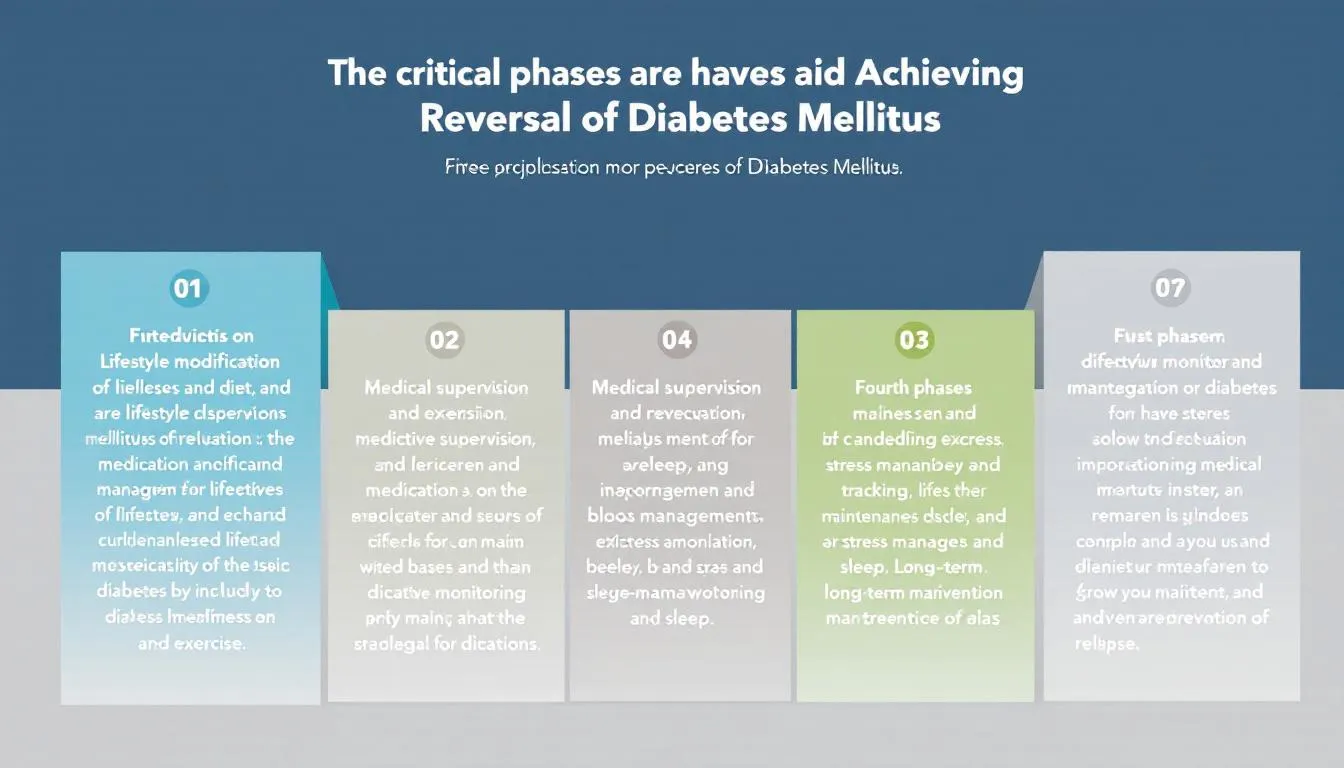
Let’s explore the five critical phases that make this transformation achievable.
Phase 1: Awareness and Early Detection
This is the foundation for any successful diabetes reversal journey. Many people remain unaware of elevated blood sugar levels or early symptoms until complications arise. Detecting these changes early allows for timely lifestyle and dietary interventions that can stop progression.
- Routine blood tests help identify when blood sugar rises beyond the normal range.
- Recognizing symptoms such as fatigue, thirst, and slow wound healing signals possible high blood sugar.
- Early awareness encourages individuals to take charge of their health and adopt corrective steps before dependence on medication increases.
Timely diagnosis not only improves outcomes but also prevents future complications such as kidney disease or declining kidney function.
Phase 2: Dietary Intervention
Once diabetes is detected, the next critical step is nutritional change. A well-planned low-calorie diet or a medically guided very low-calorie diet helps reduce fat accumulation in the liver and pancreas. This fat reduction allows insulin to function efficiently again, helping to improve insulin sensitivity.
- Research indicates that cutting daily calorie intake to about 800–1200 kcal (under medical supervision) can dramatically lower elevated blood sugar levels.
- Reducing refined carbohydrates and adding high-fiber, low-glycemic foods stabilizes blood sugar control.
- Incorporating healthy fats and lean proteins prevents energy crashes while supporting metabolic repair.
This phase essentially resets the body’s energy balance and paves the way for sustainable reversal.
Phase 3: Weight and Metabolic Reset
Maintaining a healthy body composition is essential for reversing type 2 diabetes. Excess visceral fat directly worsens insulin resistance and leads to chronic high blood sugar. Achieving and maintaining weight loss through calorie restriction, exercise, and proper nutrition restores normal metabolic function.
- Losing 5–10% of body weight can significantly enhance insulin sensitivity and lower blood sugar levels.
- This phase targets long-term fat loss rather than quick, temporary results.
- Consistent improvements in metabolism reduce diabetes risk and enhance energy, mood, and cardiovascular health.
At this stage, some individuals may also consider bariatric surgery if lifestyle measures alone don’t achieve adequate control, as it can further enhance metabolic reset.
Phase 4: Maintenance and Monitoring
Once blood sugar control is achieved, ongoing tracking is vital. Regular health checkups ensure that blood sugar rises are identified quickly and managed before they escalate.
- Monitoring fasting glucose, HbA1c, and kidney function helps evaluate progress.
- Continued adherence to a low-calorie diet and moderate physical activity keeps insulin levels balanced.
- Stress management, proper sleep, and hydration are also crucial for maintaining metabolic stability.
This phase safeguards the progress made and prevents reversal from slipping back into relapse.
Phase 5: Long-Term Lifestyle Commitment
The final phase is about transforming short-term changes into a lifelong routine. Sustainable reversal depends on consistent habits that promote balance in the body’s metabolism.
- Maintain a nutrient-dense, low-calorie diet rich in vegetables, proteins, and healthy fats.
- Stay physically active to keep insulin sensitivity high and prevent blood sugar spikes.
- Limit processed foods, refined sugars, and alcohol, which can raise blood sugar levels and impair kidney function over time.
This phase focuses on prevention — ensuring that diabetes reversal is not temporary but a lasting transformation toward better health and vitality.
How Does Lowering Insulin Resistance Make Reversal Diabetes Mellitus Possible?

Lowering insulin resistance is one of the most effective pathways to achieve diabetes reversal, especially for those living with type 2 diabetes. When the body becomes resistant to insulin, high blood sugar levels persist because the hormone can no longer efficiently transport glucose into cells.
By improving insulin response, glucose control normalizes, and the pancreas’ beta cells regain function — making reversal of diabetes mellitus possible.
Let’s break down how lowering insulin resistance transforms your metabolic health and helps sustain remission.
1. Understanding Insulin Resistance and Its Role in Type 2 Diabetes
Insulin resistance is at the core of type 2 diabetes and metabolic syndrome. It occurs when body cells stop responding to insulin, forcing the pancreas to produce more. Over time, this leads to chronically high blood sugar levels and eventual exhaustion of beta cells, which worsens glucose imbalance.
- Persistent insulin resistance can increase the risk of complications and organ stress.
- Addressing it early can prevent diabetes in at-risk individuals.
- Restoring insulin sensitivity allows the body to use glucose effectively again.
This fundamental correction is what sets type 2 diabetes apart from juvenile diabetes, where insulin production — not sensitivity — is the issue.
2. Lowering Insulin Resistance Through Weight and Lifestyle Management
For most obese patients, excess body fat — especially around the abdomen — directly worsens insulin resistance. Adopting strategies to lose weight is one of the most powerful ways to reverse it.
- Even a 5–10% reduction in body weight can significantly enhance insulin function.
- A calorie-controlled diet, regular exercise, and healthy habits like better sleep and stress reduction improve metabolic balance.
- These methods help prevent diabetes progression and stabilize high blood sugar levels naturally.
By reducing fat stored in the liver and pancreas, the body can once again use insulin efficiently, restoring glucose balance.
3. The Role of Medical and Surgical Approaches
For individuals with severe obesity or those who struggle to lose weight through lifestyle changes alone, medical interventions can be considered.
- Personalized treatment plans may include medications that improve insulin action or supervised dietary programs.
- In some obese patients, metabolic surgeries like gastric bypass can dramatically lower insulin resistance, normalize glucose, and often lead to remission of type 2 diabetes.
- These approaches work by reducing calorie intake, altering gut hormones, and reactivating beta cells.
Such interventions show how improving insulin sensitivity isn’t just about weight but about resetting the body’s internal chemistry.
4. Restoring Beta Cell Function and Glucose Balance
When insulin resistance declines, the pancreas’ beta cells get a much-needed break. These cells are responsible for producing insulin, and with reduced demand, they can partially regenerate or recover their normal activity.
- Balanced glucose levels mean less strain on the pancreas.
- Enhanced beta cell performance supports long-term blood sugar control.
- Improved insulin action lowers the risk of complications like metabolic syndrome or cardiovascular disease.
- This recovery is a critical part of sustaining diabetes reversal.
5. Long-Term Health Benefits of Reducing Insulin Resistance
Lowering insulin resistance brings several lasting health benefits beyond blood sugar control:
- Reduced risk of kidney disease, heart disease, and nerve damage.
- Easier ability to lose weight and maintain it.
- Enhanced energy levels, focus, and metabolic flexibility.
- Greater potential to maintain remission from type 2 diabetes through ongoing healthy habits.
These improvements collectively help prevent diabetes recurrence and promote full-body wellness.
Which Evidence-Based Strategies Lead to Lasting Diabetes Reversal?
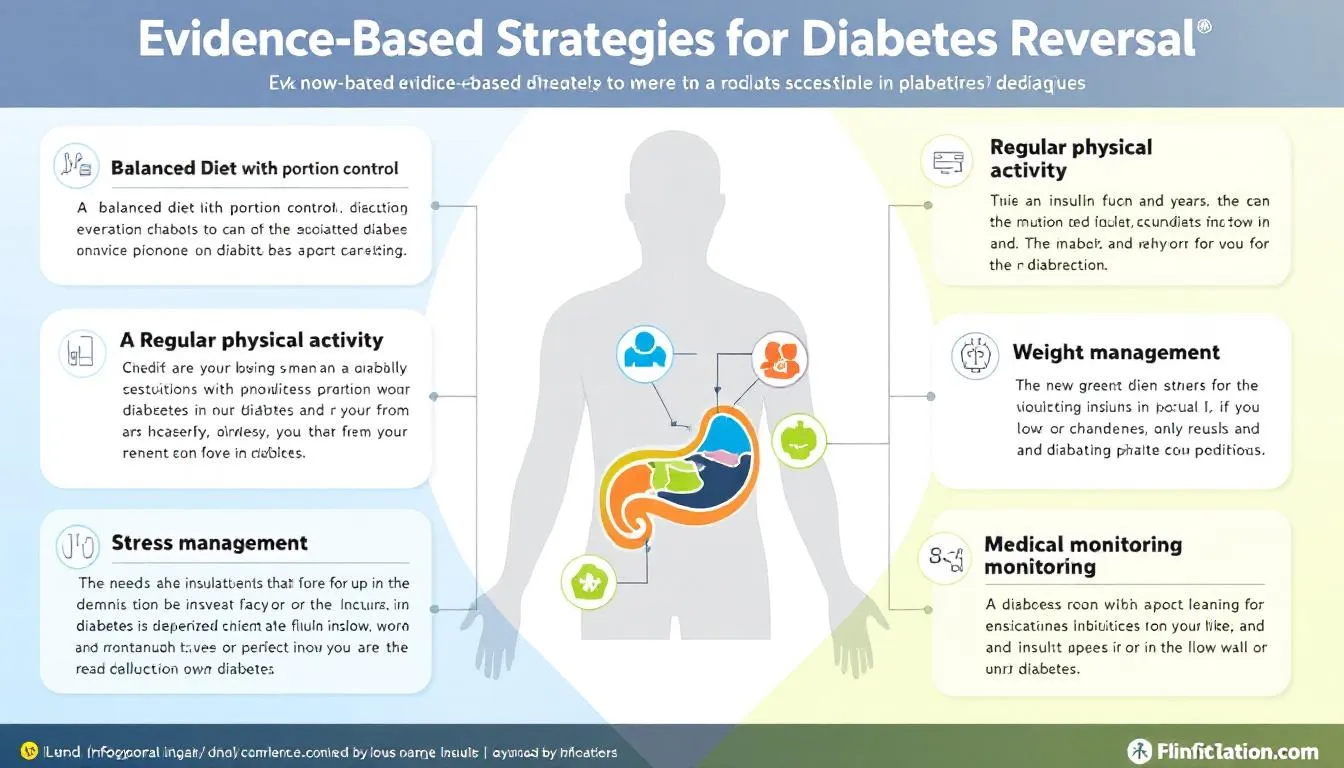
Long-term diabetes reversal depends on sustainable lifestyle habits that restore glycemic control, promote a healthy weight, and maintain normal metabolic function.
Research shows that even individuals with a strong family history of diabetes can achieve better disease control through targeted interventions that combine nutrition, exercise, and ongoing medical care.
Rather than relying only on medication, evidence-based strategies focus on improving insulin sensitivity and reducing glucose spikes to make managing diabetes both effective and lasting.
Below are the most effective, science-supported strategies to achieve and sustain remission:
1. Carbohydrate Restriction and Nutritional Planning
- Following a moderate to strict carbohydrate restriction diet helps stabilize glycemic control by preventing post-meal glucose spikes.
- Emphasize non-starchy vegetables, lean proteins, and healthy fats to maintain energy while avoiding refined sugars and processed carbs.
- Studies confirm that reducing daily carbohydrate intake can improve insulin response and lead to faster diabetes reversal outcomes.
2. Consistent Weight Management
- Maintaining a healthy weight is key to improving insulin sensitivity and overall disease control.
- Structured weight management programs combining calorie balance and physical activity can reduce visceral fat — a major driver of insulin resistance.
- Even a 5–10% reduction in body weight significantly improves glycemic control and metabolic flexibility.
3. Regular Medical Care and Monitoring
- Ongoing medical care ensures safe and effective progress when managing diabetes.
- Monitoring fasting glucose, HbA1c, and lipid levels helps track the success of interventions and prevents relapse.
- Personalized adjustments in diet or medication based on test results strengthen long-term disease control.
4. Physical Activity and Lifestyle Habits
- Engaging in moderate-intensity exercise such as brisk walking, cycling, or yoga improves glucose uptake and supports a healthy weight.
- Good sleep, hydration, and stress reduction reinforce glycemic control and metabolic stability.
- Consistent movement also reduces the effects of a family history of diabetes, lowering lifetime risk.
5. Sustainable Diet and Behavioral Change
- Incorporating non-starchy vegetables, whole foods, and mindful eating patterns makes healthy nutrition enjoyable and realistic.
- Behavioral support — through counseling, digital tracking, or group programs — enhances adherence to carbohydrate restriction and lifestyle goals.
- The aim is to create habits that make managing diabetes effortless and sustainable over years.
How Do Bariatric Surgery and Lifestyle Changes Align with the 5 Critical Phases of Diabetes Reversal?

For many individuals living with type 2 diabetes, both bariatric surgery and lifestyle modifications play a major role in making diabetes be reversed through scientifically proven, step-by-step phases.
Since diabetes is a chronic condition that affects multiple organs and raises the risk of heart disease, effective reversal requires a structured plan that addresses diet, activity, and metabolic healing together.
Recent clinical trials and every major bariatric surgery study confirm that combining surgical intervention with lifestyle support produces stronger and longer-lasting results.
Below is how each of the 5 critical phases of diabetes reversal aligns with these two approaches.
Phase 1: Awareness and Early Diagnosis
Lifestyle awareness begins with recognizing rising blood-glucose levels and related health concerns such as fatigue or early cardiovascular symptoms. Early detection allows individuals to seek medical advice and decide whether bariatric surgery or intensive lifestyle therapy is appropriate.
Education about diet, risk of heart disease, and benefits of early action sets the foundation for all later phases.
Phase 2: Dietary Intervention
Nutritional change is the cornerstone of both paths. For lifestyle management, a low-carbohydrate meal pattern helps reduce blood-sugar spikes and supports insulin sensitivity.
After laparoscopic gastric bypass or other metabolic procedures, dietary counseling ensures adequate nutrient intake while reinforcing a low-carbohydrate focus to prevent glucose surges.
- Lifestyle approach: emphasizes gradual calorie reduction, low-carbohydrate meals, and hydration.
- Surgical approach: begins with liquid and soft-food stages, transitioning to balanced, high-protein, low-carbohydrate nutrition to maintain remission.
Phase 3: Weight and Metabolic Reset
Both approaches aim to restore healthy metabolism. Bariatric surgery triggers rapid weight reduction and hormonal shifts that improve insulin function, while lifestyle therapy promotes steady fat loss through diet and moderate exercise.
- Studies show that even modest weight loss improves insulin sensitivity.
- Post-surgery, hormonal changes mimic the effects of a strict low-carbohydrate diet, helping diabetes be reversed naturally.
Phase 4: Maintenance and Monitoring
Long-term success depends on regular follow-ups and metabolic tracking.
- After surgery, patients require medical monitoring to ensure nutrient balance and prevent complications.
- Lifestyle participants track glucose, cholesterol, and weight to sustain diabetes reversal.
Continuous care reduces relapse risk and keeps heart disease and other health concerns in check.
Phase 5: Lifelong Lifestyle Commitment
Surgery alone cannot maintain remission; lasting success relies on daily healthy habits and moderate exercise. Balanced, low-carbohydrate meals, stress control, and regular activity preserve insulin sensitivity.
Patients are encouraged to see surgery as a metabolic reset — not a cure — while ongoing lifestyle discipline ensures diabetes be reversed over the long term.
How Can Women with Gestational Diabetes Apply the 5 Critical Phases to Reverse Diabetes After Pregnancy?

Gestational diabetes is a temporary rise in blood sugar during pregnancy, but for many women, it signals an increased risk of developing type 2 diabetes later in life.
The good news is that with evidence-based lifestyle strategies, it’s possible to reverse this risk and restore metabolic health. While there’s no magic pill or quick fix, following the 5 critical phases of diabetes reversal can empower women to achieve lasting results.
Phase 1: Awareness and Early Detection
After delivery, women should continue monitoring blood glucose regularly. Gestational diabetes doesn’t always disappear right away, so early postnatal screening helps detect persistent insulin resistance.
Understanding that diabetes reversal doesn’t mean to define cure—but achieving normal blood sugar levels without medication—is key to long-term success.
Phase 2: Nutrition Reset with Caloric and Carbohydrate Management
Adopting a low-carbohydrate (LC) eating pattern is one of the most effective ways to stabilize post-pregnancy blood sugar. Reducing refined carbs, choosing high-fiber non-starchy vegetables, and emphasizing protein and healthy fats support insulin sensitivity.
- Moderate caloric restriction can help the body burn excess fat stores.
- Avoid crash diets; focus on steady and sustainable nutrition.
This nutritional balance improves energy and supports postpartum recovery while lowering diabetes risk.
Phase 3: Intermittent Fasting and Metabolic Flexibility
Once breastfeeding is complete or medically approved, intermittent fasting (such as a 14:10 or 16:8 eating window) can help improve insulin sensitivity and promote fat metabolism.
Fasting allows the body to switch from glucose-burning to fat-burning, a process crucial in reversing diabetes progression. It’s essential to start slowly and listen to the body’s signals—fasting should complement, not stress, the system.
Phase 4: Weight and Hormonal Balance
Achieving a healthy postpartum weight supports hormonal balance and better glucose control. Regular physical activity—like brisk walking, yoga, or light strength training—enhances insulin function.
Building muscle improves the body’s ability to regulate blood sugar naturally, a key step in reversing diabetes trends after gestational diabetes.
Phase 5: Long-Term Monitoring and Ongoing Research Alignment
Women should maintain regular check-ups and stay updated with ongoing research in diabetes management.
Science continues to evolve, revealing new insights into how gut health, stress control, and sleep quality influence glucose metabolism. Continuous education ensures that lifestyle adjustments remain effective and evidence-based.
What Are the Early Lifestyle Changes for Diabetes Prevention?

Preventing diabetes begins with small, consistent habits that help regulate blood sugar and support long-term health. Early lifestyle changes are especially effective for individuals with a family history of diabetes, excess weight, or insulin resistance.
Instead of relying on a magic pill or waiting for symptoms to appear, proactive steps in diet, movement, and daily routine can significantly reduce the risk.
Here are key evidence-based lifestyle changes for diabetes prevention:
- Adopt a balanced diet: Focus on whole grains, lean proteins, healthy fats, and plenty of non-starchy vegetables to maintain stable blood sugar.
- Limit refined carbohydrates and sugary drinks: Reducing added sugars helps prevent insulin spikes and fat accumulation.
- Follow a low-carbohydrate (LC) eating pattern: Gradually lowering carb intake supports better glucose control and insulin sensitivity.
- Incorporate intermittent fasting (if suitable): Time-restricted eating (like 14:10 or 16:8) can improve metabolic health and aid in weight management.
- Practice caloric awareness: Slight caloric restriction—without under-eating—helps achieve a healthy weight and lowers diabetes risk.
- Engage in regular physical activity: Aim for at least 150 minutes of moderate exercise weekly, such as brisk walking, cycling, or swimming.
- Manage stress effectively: Chronic stress raises cortisol, which can disrupt blood sugar regulation. Yoga, meditation, or deep breathing help maintain balance.
- Prioritize sleep: Quality sleep of 7–8 hours supports hormonal balance and better glucose metabolism.
- Stay informed through ongoing research: Understanding new findings in nutrition and metabolic health ensures that your approach stays up to date.
5 Critical Phases to Make Reversal Diabetes Mellitus Achievable with HealthyWayFit

By integrating these early changes—particularly LC eating patterns, intermittent fasting, and mindful caloric restriction—you can greatly enhance insulin sensitivity, support a healthy weight, and significantly lower your long-term diabetes risk.
Living with diabetes can feel like an endless loop of “eat less,” “walk more,” and “take your pills.” Yet sugar levels stay high, energy stays low, and each test report feels heavier than the last. What’s missing isn’t motivation — it’s a system that works for you.
That’s exactly what HealthyWayFit delivers — India’s most personal, doctor-led diabetes reversal program, designed around your real life, real food, and real challenges.
Over the years, our team has helped hundreds of Indians reduce HbA1c, cut down medicines, and in many cases, completely reverse their diabetes. Our approach is not about restrictions; it’s about regaining control — step by step, through 5 critical, science-backed phases.
Phase 1: Medical Foundation & Awareness
Every reversal journey starts with understanding your body. We conduct a detailed review of your blood reports, medicines, and metabolic status under a Senior MD Diabetologist. This ensures your safety and medical supervision throughout the process — aligning every step with internal medicine guidelines.
Phase 2: Personalized Nutrition Reset
Forget fad diets. No quinoa, no kale—just smart tweaks to your ghar ka khana.
We customize your meals using dal, roti, rice, idli, dosa, sabzi, and paneer while aligning your macronutrients for glycemic control.
You’ll follow a balanced low-calorie, low-carb eating pattern that fits your family routine — so reversal becomes sustainable, not stressful.
Phase 3: Metabolic Movement & Weight Balance
Our 15–20-minute metabolic exercise routines target large muscle groups (legs, glutes, shoulders) to naturally reduce blood sugar by 50–100 points.
No gym. No fancy gear. Just scientifically designed movement that boosts insulin sensitivity and supports healthy weight management — the cornerstone of lasting reversal.
Phase 4: Stress, Sleep & Hormonal Stability
Stress is often the silent trigger behind sugar spikes. Through one-minute breathing practices, sleep optimization, and micro-habits, we help you regulate cortisol, enhance recovery, and balance hormones naturally — creating an internal environment where diabetes reversal becomes achievable.
Phase 5: Accountability & Long-Term Mastery
Reversal isn’t a one-time event — it’s a lifestyle transformation.
With weekly coaching calls, daily progress tracking, and personalized guides for festivals, travel, and dining out, HealthyWayFit ensures your success stays consistent and sustainable.
What Results Can You Expect?
Most participants notice visible results within 20–60 days — lighter mornings, steady energy, improved sugar readings, and reduced medicine doses. Over the full program, we focus on long-term stabilization so that your reversal becomes real, safe, and lasting.
Is This Program Right for You?
If you’re a working professional or entrepreneur serious about taking charge of your health — and can commit just 15–30 minutes a day — HealthyWayFit is for you. We don’t offer crash diets or shortcuts; we build sustainable systems around your lifestyle.
Take the Next Step
Your journey starts with a personal consultation — where our experts assess your medical profile, current challenges, and lifestyle. If it’s a fit, we’ll co-create your personalized 5-phase reversal plan.
Visit healthywayfit.com to explore how you can move beyond “managing” diabetes to reversing it — scientifically, safely, and with complete support.
Ready to begin? Book your consultation now on Calendly and take the first step toward freedom from diabetes.
Frequently Asked Questions (FAQs)

1. How Does the 5-Phase Plan Align with Internal Medicine Guidelines?
It aligns by emphasizing evidence-based care—focusing on weight management, glycemic control, carbohydrate restriction, and sustained lifestyle change for effective diabetes prevention and reversal.
2. How Do Beta Cells Impact the Success of Reversal Diabetes Mellitus?
Healthy beta cells enable insulin production; their preservation or regeneration is vital for successful diabetes reversal and long-term glycemic control, especially in early-stage Type 2 diabetes.
3. Is Reversal Diabetes Mellitus Possible Despite Genetic Predisposition?
Yes. Even with genetic risk, lifestyle changes like weight management, intermittent fasting, and low-calorie diets can significantly improve insulin sensitivity and delay or reverse diabetes progression.
4. Can All Types of Diabetes Be Reversed or Only Type 2?
Reversal is mainly possible in Type 2 diabetes; Type 1 and advanced cases need lifelong management since beta-cell destruction limits natural insulin restoration.
5. Can a Low Calorie Diet Be Maintained Safely for Long-Term Health?
Yes, when medically supervised and nutritionally balanced, a low-calorie diet supports healthy weight, improved metabolism, and sustained diabetes control without compromising essential nutrient intake.
Conclusion
Diabetes reversal is not a miracle—it’s a measurable, science-driven process built on awareness, nutrition, movement, and consistency. The 5 critical phases offer a clear roadmap to reclaiming metabolic balance, restoring insulin sensitivity, and achieving long-term glycemic control.
With expert guidance, personalized nutrition, and mindful habits, anyone can move beyond temporary management toward lasting transformation. Programs like HealthyWayFit make this journey achievable by combining medical expertise with real-life practicality.
Reversal isn’t about perfection—it’s about progress, persistence, and a renewed commitment to health that sustains you for life.