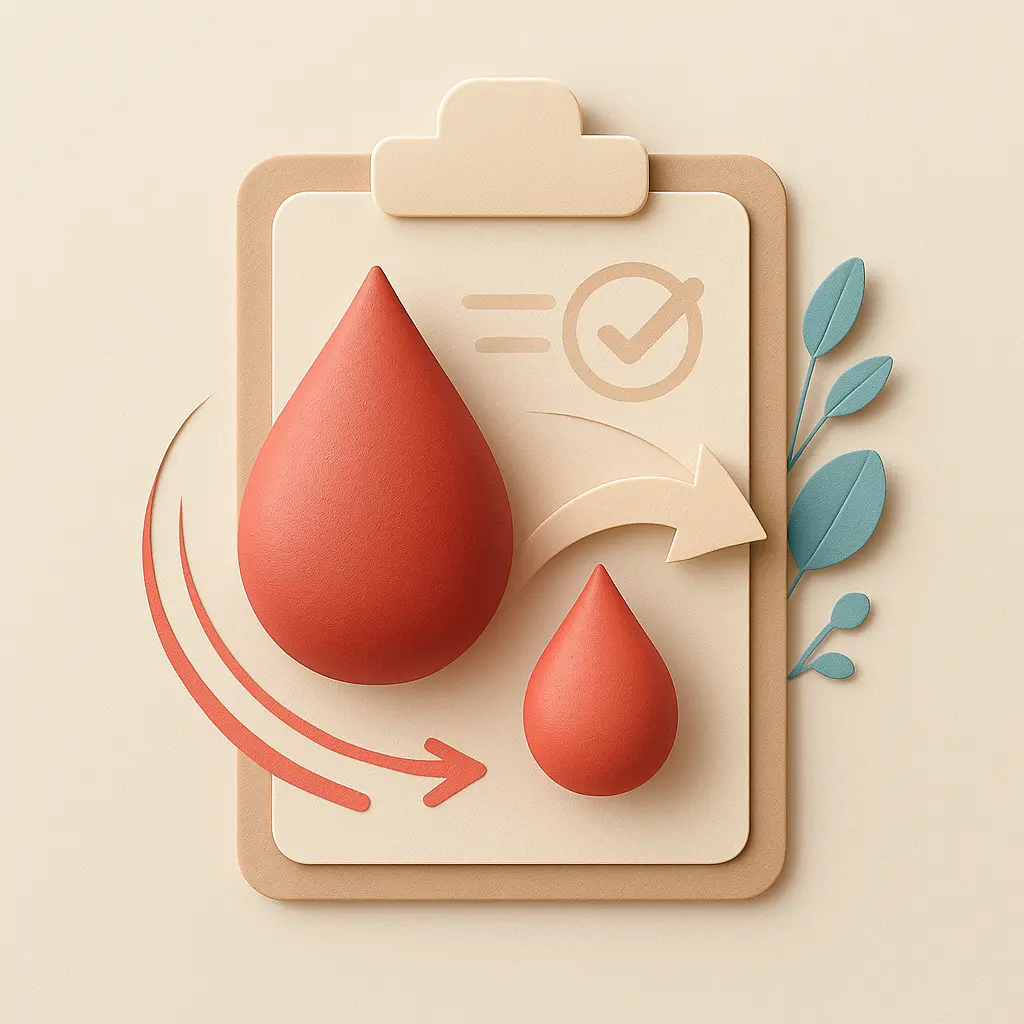
When your blood sugar runs high, it is natural to wonder whether the food on your plate can help bring it down. The good news is that it often can. While no single ingredient is a magic fix, the best foods to lower blood sugar naturally work together to slow how quickly glucose enters your bloodstream, improve insulin sensitivity and keep you full for longer. This guide walks through practical, everyday foods, most of which are already in an Indian kitchen, and how to use them wisely.
How food affects blood sugar in the first place
Carbohydrates have the biggest and fastest effect on blood sugar, because they break down into glucose. Refined carbohydrates such as white sugar, maida and sugary drinks tend to spike glucose quickly. Foods rich in fibre, protein and healthy fat slow that process down, producing a gentler, flatter rise. So “eating to lower blood sugar” is less about forbidden foods and more about the balance and quality of what you eat.
Key tip: Pair carbohydrates with fibre, protein or healthy fat. A plain roti raises blood sugar faster than the same roti eaten with dal, vegetables and a little curd.
The best foods to lower blood sugar naturally
1. Non-starchy vegetables
Leafy greens like spinach and methi, along with lauki, bhindi, cabbage, cauliflower and capsicum, are high in fibre and low in carbohydrate. Filling half your plate with these vegetables is one of the simplest ways to reduce the overall glucose impact of a meal.
2. Whole pulses and legumes
Dal, rajma, chana and other legumes combine plant protein with slow-digesting fibre. Research indicates that regularly eating pulses is associated with steadier blood sugar. They also keep you satisfied, which helps with portion control.
3. Whole grains over refined grains
Swapping white rice and maida for whole grains such as brown rice, millets (bajra, jowar, ragi) and whole-wheat atta adds fibre and slows digestion. Millets in particular have become popular for people managing blood sugar.
4. Nuts and seeds
A small handful of almonds, walnuts or peanuts, or seeds like flax and chia, provides healthy fat, protein and fibre. Many people find that a few nuts turn a carbohydrate snack into a more balanced one that causes less of a spike.
5. Curd and other fermented foods
Unsweetened curd adds protein and probiotics and can blunt the blood sugar response of a meal. It is an easy, familiar addition to Indian plates.
6. High-fibre fruit, in moderation
Fruit is not off-limits, but choose whole fruit over juice. Berries, guava, apple and pear come with fibre that slows sugar absorption. Eating fruit alongside nuts or curd softens its effect further.
7. Spices that may help
Some kitchen staples such as cinnamon, fenugreek (methi) seeds and turmeric have been studied for modest effects on blood sugar. They are not replacements for balanced meals or medication, but they are healthy additions.
A simple way to build a blood-sugar-friendly plate
- Half the plate: non-starchy vegetables or salad.
- A quarter: protein such as dal, paneer, eggs, fish or chicken.
- A quarter: whole-grain carbohydrate like millet roti or a controlled portion of rice.
- Add: a little healthy fat and unsweetened curd.
This “plate method” naturally controls portions and slows glucose absorption without any complicated counting.
Foods and drinks to limit
- Sugary drinks, packaged juices and sweetened tea or coffee.
- Sweets, biscuits, cakes and other refined-flour, high-sugar items.
- Deep-fried and heavily processed snacks.
- Large portions of white rice or refined-flour breads eaten on their own.
You do not have to banish these forever. The goal is to make them occasional rather than everyday, and to pair them with fibre and protein when you do enjoy them.
Frequently asked questions
Can any single food quickly lower high blood sugar?
No food acts like medicine to rapidly drop a high reading. Foods help by producing steadier blood sugar over time. If your blood sugar is very high or you feel unwell, contact your doctor.
Is fruit safe if I have diabetes?
Whole fruit in sensible portions is generally fine for most people and far better than juice or sweets. Pairing it with protein or fat helps reduce spikes.
Do I need special or expensive “diabetic” products?
Usually not. Everyday vegetables, pulses, whole grains, curd and nuts are affordable and effective. Marketed “sugar-free” products are not automatically healthy.
Small swaps, steady results
Lowering blood sugar naturally is rarely about one dramatic change. It is the sum of small, repeatable swaps: more vegetables, more fibre, whole grains instead of refined ones, and balanced plates most of the time. These habits are gentle on the body and easy to sustain, which is exactly why they work.
If you would like a personalised eating plan built around your tastes, budget and blood sugar goals, book a free consultation with HealthyWayFit and let our team help you design a plate that works for you.
Disclaimer: This article is for educational purposes only and is not medical advice. It is not a substitute for guidance from a qualified healthcare professional. Do not change your medication without medical supervision. Please consult your doctor or a registered dietitian about your individual dietary and health needs.