Diabetes reversal refers to the process by which a person with type 2 diabetes brings blood sugar levels back to a healthy or near-normal range without the need for ongoing diabetes medication, as long as the healthy changes are maintained.
It does not mean a permanent cure, but rather diabetes remission, where symptoms and abnormal glucose levels are controlled through lifestyle-based approaches.
In simple terms, diabetes reversal focuses on fixing the root problem—reversing insulin resistance—so the body can use insulin more effectively again. When insulin sensitivity improves, blood sugar levels stabilize naturally, reducing or eliminating the need for medication in many cases.
Key points to understand diabetes reversal:
- Reverse type 2 diabetes means achieving long-term blood sugar control through sustainable changes, not quick fixes
- Diabetes remission occurs when HbA1c and fasting glucose remain in the non-diabetic range for an extended period
- Natural diabetes reversal emphasizes diet, physical activity, weight management, sleep, and stress control
- Reversing insulin resistance is the core goal, as insulin resistance is the main driver of type 2 diabetes
- Diabetes reversal methods work best when applied consistently and tailored to an individual’s lifestyle and health condition
While diabetes reversal may not be possible for everyone, especially in advanced cases, many people can significantly improve metabolic health and quality of life by following evidence-based, natural strategies under medical guidance.
Is It Possible To Reverse Type 2 Diabetes?
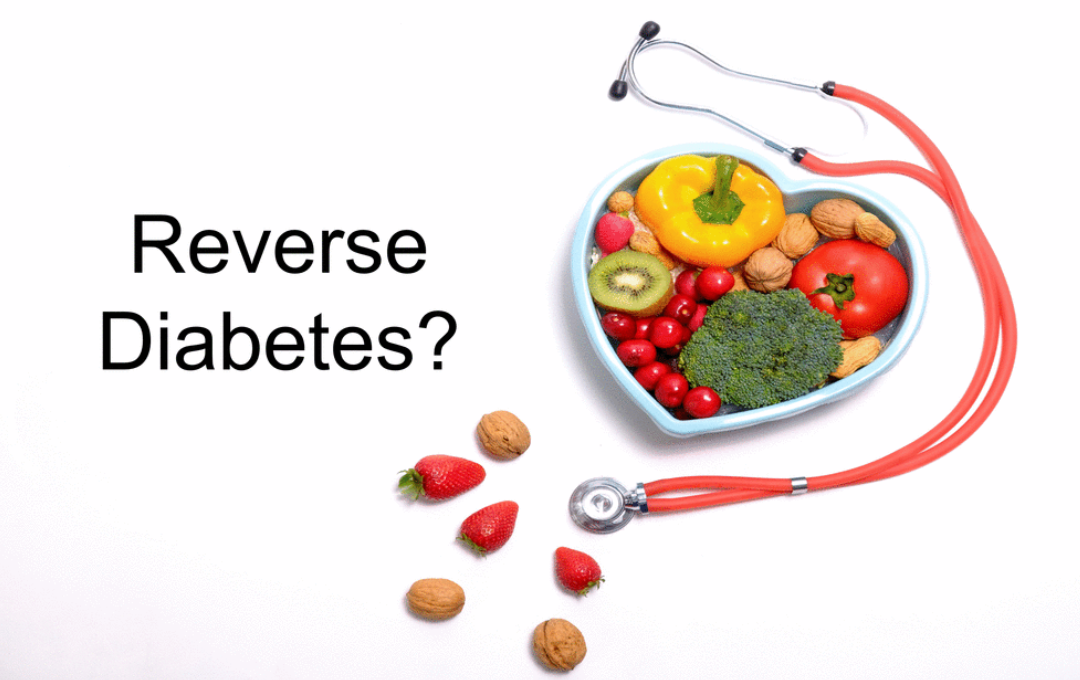
Yes, it is possible to reverse type 2 diabetes for many people, particularly when the condition is addressed early and managed consistently. Rather than relying only on medication, reversal focuses on improving insulin sensitivity through nutrition and daily habits.
With the right diabetes management approach, many individuals are able to bring blood sugar levels back to a healthy range and maintain them long term.
How type 2 diabetes can be reversed:
- Following a structured diabetes diet plan that prioritizes whole foods, balanced carbohydrates, and stable blood sugar levels
- Adopting a diabetes reversal diet that reduces refined sugars and processed foods while supporting insulin function
- Making sustainable lifestyle changes for diabetes, including regular physical activity, quality sleep, and stress reduction
- Consistent monitoring and smart diabetes management to track progress and prevent relapse
- Applying the same strategies early helps in reversing prediabetes and stopping progression to type 2 diabetes
While reversal may not be possible in every case, especially in advanced stages, many people experience significant improvement and even remission by committing to these long-term dietary and lifestyle changes under medical guidance.
How Does Diet Impact Diabetes Reversal?
1. Understanding Diabetes Reversal (Remission)
Diabetes reversal, more accurately called Type 2 diabetes remission, means:
- Blood glucose levels return to non-diabetic range
- Without the use of glucose-lowering medications
- Sustained for at least 3–6 months
Diet is the primary driver of this process because Type 2 diabetes is largely a disease of insulin resistance and excess fat accumulation, especially in the liver and pancreas.
2. Role of Carbohydrate Intake
2.1 Impact on Blood Glucose
- Carbohydrates are broken down into glucose
- High carbohydrate intake leads to post-meal blood sugar spikes
- Chronic spikes worsen insulin resistance
2.2 Low-Carbohydrate Diets
Reducing carbohydrates:
- Lowers blood glucose immediately
- Reduces insulin demand
- Improves insulin sensitivity over time
Effective approaches include:
- Low-carb diets (50–130 g/day)
- Very low-carb or ketogenic diets (<50 g/day)
3. Caloric Restriction and Weight Loss
3.1 Excess Fat and Insulin Resistance
- Fat accumulation in the liver increases glucose output
- Fat in the pancreas impairs insulin secretion
- Reducing calorie intake mobilizes this fat
3.2 Very Low-Calorie Diets (VLCD)
- Typically 600–800 kcal/day (under medical supervision)
- Can rapidly normalize blood glucose
- Demonstrated remission in up to 46–60% of patients in clinical trials
4. Quality of Carbohydrates
4.1 Refined vs Whole Carbohydrates
Refined carbs:
- White bread, sugar, pastries, sweetened drinks
- Cause rapid glucose spikes
Whole carbs:
- Whole grains, legumes, vegetables
- Slower digestion and better glucose control
4.2 Glycemic Index and Load
- Low-GI foods reduce post-meal glucose surges
- Lower insulin demand improves insulin sensitivity
5. Protein Intake and Blood Sugar Control
5.1 Benefits of Adequate Protein
- Reduces hunger and cravings
- Stabilizes blood glucose
- Preserves muscle mass during weight loss
5.2 Best Protein Sources
- Lean meats, fish, eggs
- Dairy (unsweetened yogurt, cheese)
- Plant proteins (lentils, tofu, nuts)
6. Role of Dietary Fats
6.1 Healthy vs Unhealthy Fats
Healthy fats:
- Olive oil, avocados, nuts, seeds
- Improve insulin sensitivity
Unhealthy fats:
- Trans fats, processed oils
- Worsen inflammation and insulin resistance
6.2 Fat and Satiety
- Fat slows digestion
- Reduces hunger and overeating
- Supports sustained calorie reduction
7. Fiber and Gut Health
7.1 Role of Fiber
- Slows glucose absorption
- Improves insulin sensitivity
- Enhances satiety
7.2 Gut Microbiome
- High-fiber diets improve gut bacteria
- Healthy microbiome reduces inflammation
- Linked to improved glucose metabolism
8. Timing of Meals and Eating Patterns
8.1 Intermittent Fasting
- Improves insulin sensitivity
- Lowers fasting insulin levels
- Promotes fat loss
8.2 Reduced Eating Frequency
- Fewer meals = less insulin exposure
- Helps “rest” insulin-producing cells
Common patterns:
- 16:8 fasting
- Time-restricted eating (8–10 hour window)
9. Inflammation and Oxidative Stress Reduction
9.1 Anti-Inflammatory Foods
- Leafy greens, berries, fatty fish
- Spices like turmeric and ginger
9.2 Reducing Processed Foods
- Lowers oxidative stress
- Improves insulin signaling
10. Sustainability and Long-Term Success
10.1 Adherence Matters
- The best diet is one that can be maintained
- Gradual changes often work better long-term
10.2 Personalized Nutrition
- Age, culture, preferences, and metabolism matter
- Medical supervision is recommended, especially if on medication
How Can You Reverse Diabetes? 5 Step-by-Step Methods That Deliver Real Results
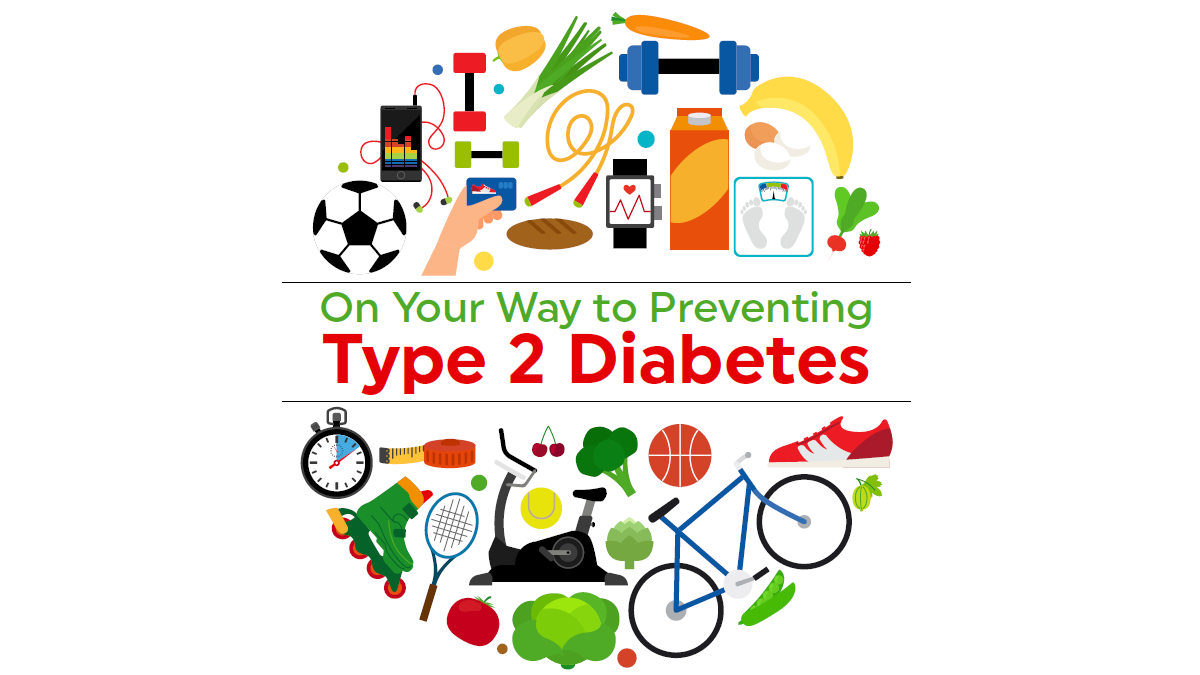
Diabetes reversal—more accurately called Type 2 diabetes remission—means maintaining normal blood glucose levels without the need for diabetes medication for an extended period.
Research shows that remission is achievable by addressing the root causes: insulin resistance, excess fat accumulation, inflammation, and poor lifestyle habits. The following five steps explain how this can be done effectively and sustainably.
Step 1: Reduce Carbohydrate Intake to Control Blood Sugar
Why This Step Is Critical
Carbohydrates have the most direct impact on blood glucose levels. In Type 2 diabetes, the body cannot efficiently manage large amounts of glucose due to insulin resistance. High carbohydrate intake forces the pancreas to produce more insulin, worsening the condition over time.
How It Helps Reverse Diabetes
Reducing carbohydrates:
- Lowers blood glucose immediately
- Reduces insulin demand
- Allows insulin sensitivity to improve
Lower insulin levels also enable the body to access stored fat for energy, accelerating metabolic recovery.
What to Do
- Eliminate refined carbohydrates (sugar, white bread, sweets)
- Limit total carbohydrate intake based on tolerance
- Focus on vegetables and fiber-rich foods instead
Many individuals see dramatic improvements in blood sugar within days to weeks of carbohydrate reduction.
Step 2: Achieve Sustainable Weight Loss by Reducing Calorie Intake
The Link Between Weight and Diabetes
Excess body fat—especially in the liver and pancreas—is a primary cause of Type 2 diabetes. Fat in the liver increases glucose production, while fat in the pancreas interferes with insulin secretion.
How Weight Loss Leads to Reversal
Even a 5–15% reduction in body weight can:
- Remove fat from the liver and pancreas
- Restore insulin sensitivity
- Normalize fasting and post-meal glucose levels
Clinical studies show that diabetes remission often occurs before full weight loss, indicating fat redistribution is key.
What to Do
- Reduce portion sizes
- Avoid calorie-dense processed foods
- Prioritize whole, nutrient-dense meals
Sustainable weight loss is more important than rapid weight loss.
Step 3: Follow a Whole-Food, Diabetes-Reversal Diet
Importance of Food Quality
Not all calories affect the body the same way. Highly processed foods increase inflammation and insulin resistance, while whole foods support metabolic healing.
Key Components of a Reversal Diet
A diabetes-reversal diet should emphasize:
- Non-starchy vegetables
- High-quality protein (eggs, fish, lean meat, legumes)
- Healthy fats (olive oil, nuts, seeds)
- High-fiber foods to slow glucose absorption
These foods stabilize blood sugar, reduce cravings, and support long-term adherence.
Long-Term Benefits
Consistent intake of whole foods:
- Improves insulin signaling
- Reduces oxidative stress
- Supports gut health and metabolic balance
Step 4: Use Exercise to Restore Insulin Sensitivity
Why Exercise Is Essential
Exercise allows muscles to absorb glucose without insulin, immediately lowering blood sugar. Over time, it increases muscle mass and improves insulin sensitivity at the cellular level.
Types of Exercise That Deliver Results
- Aerobic exercise (walking, cycling): improves glucose control
- Resistance training: builds muscle and boosts insulin efficiency
- HIIT: rapidly improves metabolic health in short sessions
How Much Exercise Is Needed
- 150 minutes per week of moderate activity
- Strength training 2–3 times weekly
- Daily movement and reduced sitting time
Exercise enhances the effects of dietary changes and significantly increases remission success rates.
Step 5: Optimize Lifestyle Factors That Influence Insulin Resistance
Role of Sleep and Stress
Poor sleep and chronic stress increase cortisol, which raises blood sugar and worsens insulin resistance—even with a good diet.
Lifestyle Adjustments That Matter
- Sleep 7–9 hours per night
- Manage stress through meditation, yoga, or breathing exercises
- Avoid smoking and excessive alcohol
- Maintain consistent meal timing
Why This Step Is Often Overlooked
Many people focus only on food and exercise, but lifestyle factors strongly influence hormones that regulate blood sugar. Addressing these completes the reversal process.
What are the best foods for reversing diabetes?

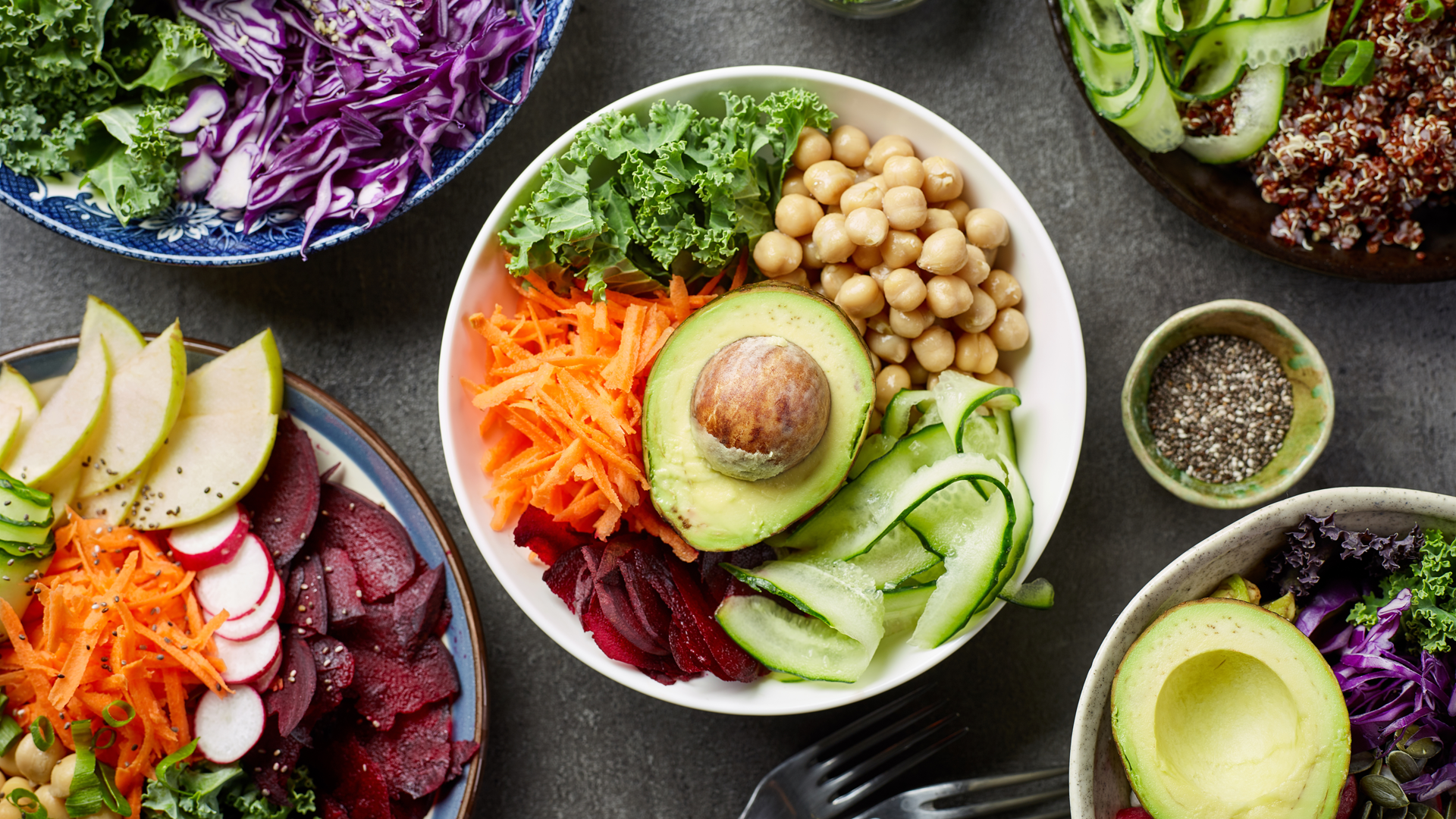
1. Non-Starchy Vegetables (Foundation of a Diabetes-Reversal Diet)
Non-starchy vegetables are among the most powerful foods for diabetes reversal because they are low in carbohydrates and calories yet rich in fiber, vitamins, minerals, and antioxidants.
They slow glucose absorption, reduce insulin demand, and promote fullness, making them ideal for blood sugar control and weight loss.
Examples include leafy greens (spinach, kale), cruciferous vegetables (broccoli, cauliflower, cabbage), zucchini, bell peppers, cucumber, and tomatoes. These vegetables can be eaten freely and form the bulk of most successful diabetes-reversal diets.
2. High-Quality Protein Foods (Blood Sugar Stabilizers)
Protein helps stabilize blood sugar by slowing digestion and reducing post-meal glucose spikes. It also preserves muscle mass during weight loss and promotes satiety, which reduces overeating.
The best protein sources include eggs, fish (salmon, sardines), poultry, lean meat, tofu, lentils, Greek yogurt, and cottage cheese. Regular inclusion of protein in meals improves insulin sensitivity and supports long-term remission.
3. Healthy Fats (Improve Insulin Sensitivity)
Healthy fats play a crucial role in reversing diabetes by improving insulin sensitivity and reducing inflammation. Unlike refined carbohydrates, fats do not raise blood sugar and help maintain steady energy levels.
Key sources include olive oil, avocados, nuts (almonds, walnuts), seeds (chia, flaxseed), and fatty fish rich in omega-3 fatty acids. These fats enhance satiety, making it easier to reduce calorie intake without hunger.
4. High-Fiber Foods (Slow Glucose Absorption)
Fiber slows the digestion and absorption of carbohydrates, preventing sharp blood sugar spikes. It also feeds beneficial gut bacteria, which play a role in improving metabolic health.
Foods high in fiber include legumes (beans, lentils), vegetables, berries, chia seeds, flaxseeds, and whole grains in moderation. Soluble fiber, in particular, improves insulin sensitivity and reduces fasting blood glucose levels.
5. Low-Glycemic Fruits (Natural Sweetness Without Sugar Spikes)
While excessive fruit intake can raise blood sugar, low-glycemic fruits can be included safely in a diabetes-reversal diet. These fruits provide antioxidants and fiber without causing rapid glucose increases.
Best choices include berries (blueberries, strawberries), apples, pears, citrus fruits, and kiwi. Portion control is essential, and fruits are best consumed with protein or fat to minimize glucose spikes.
6. Whole Grains (When Used Strategically)
Whole grains contain more fiber and nutrients than refined grains and have a slower effect on blood sugar. In small portions, they can support diabetes reversal, especially in individuals not following a very low-carbohydrate approach.
Examples include oats, quinoa, barley, brown rice, and millets. These foods are best consumed in controlled portions and paired with protein and healthy fats.
7. Fermented Foods (Support Gut and Metabolic Health)
Fermented foods improve gut microbiota, which plays a growing role in insulin sensitivity and inflammation control. A healthy gut environment helps regulate blood sugar levels more effectively.
Beneficial options include yogurt (unsweetened), kefir, sauerkraut, kimchi, and fermented vegetables. Regular consumption supports digestion and metabolic balance.
8. Nuts and Seeds (Nutrient-Dense and Blood Sugar Friendly)
Nuts and seeds provide healthy fats, protein, fiber, and magnesium—an important mineral for insulin function. They help reduce hunger and improve glycemic control.
Almonds, walnuts, peanuts, chia seeds, flaxseeds, and pumpkin seeds are excellent choices. They should be consumed in moderate portions due to their high calorie content.
9. Anti-Inflammatory Foods (Reduce Insulin Resistance)
Chronic inflammation contributes to insulin resistance. Foods rich in antioxidants and anti-inflammatory compounds help reverse this process.
Key foods include turmeric, ginger, garlic, green tea, dark leafy vegetables, and fatty fish. These foods reduce oxidative stress and improve insulin signaling.
10. Foods to Minimize or Avoid (For Effective Reversal)
For diabetes reversal, it is equally important to reduce foods that worsen insulin resistance. These include refined carbohydrates (white bread, pastries), sugary beverages, processed foods, trans fats, and excessive sugar intake.
Limiting these foods allows insulin sensitivity to improve and prevents glucose spikes that hinder remission.
Can Exercise Help In Reversing Diabetes?

1. Understanding Diabetes Reversal and Exercise
Diabetes reversal (remission) means maintaining normal blood glucose levels without medication for a sustained period. Exercise helps address the core problem in Type 2 diabetes—insulin resistance—by increasing the body’s ability to use glucose effectively.
2. How Exercise Improves Insulin Sensitivity
2.1 Muscle Glucose Uptake
During physical activity, muscles absorb glucose without requiring insulin. This lowers blood sugar levels immediately and reduces the workload on the pancreas.
2.2 Long-Term Insulin Sensitivity
Regular exercise increases the number and efficiency of glucose transporters (GLUT-4) in muscle cells. This allows glucose to enter cells more easily even at lower insulin levels, reversing insulin resistance over time.
3. Role of Exercise in Weight Loss and Fat Reduction
3.1 Reduction of Visceral Fat
Excess fat around the abdomen, liver, and pancreas is a major cause of diabetes. Exercise helps burn this fat, which improves both insulin production and insulin action.
3.2 Preservation of Muscle Mass
Unlike dieting alone, exercise preserves and builds muscle mass. More muscle means higher glucose utilization, better metabolic rate, and long-term blood sugar control.
4. Types of Exercise That Help Reverse Diabetes
4.1 Aerobic Exercise
Activities such as walking, cycling, swimming, and jogging improve cardiovascular health and insulin sensitivity. Even moderate activities like brisk walking for 30 minutes daily can significantly reduce blood glucose levels.
4.2 Resistance (Strength) Training
Strength training improves muscle mass and insulin sensitivity. Exercises using weights, resistance bands, or body weight (squats, push-ups) are especially effective for long-term glucose control.
4.3 High-Intensity Interval Training (HIIT)
HIIT involves short bursts of intense activity followed by rest. It rapidly improves insulin sensitivity and blood sugar control in less time, making it useful for people with busy schedules.
5. Impact of Exercise on Blood Sugar Levels
5.1 Immediate Effects
Blood glucose levels often drop during and after exercise due to increased glucose uptake by muscles.
5.2 Long-Term Effects
Consistent exercise lowers fasting blood glucose and HbA1c levels, helping many individuals reach non-diabetic ranges.
6. Exercise and Pancreatic Function
Exercise reduces fat accumulation in the pancreas, allowing insulin-producing beta cells to recover and function more effectively. This recovery is a key mechanism in diabetes reversal.
7. Exercise and Inflammation Reduction
Chronic inflammation contributes to insulin resistance. Regular physical activity lowers inflammatory markers and improves metabolic health, supporting diabetes remission.
8. Exercise Frequency and Duration for Reversal
Most studies suggest:
- At least 150 minutes per week of moderate aerobic activity
- 2–3 days per week of strength training
- Daily movement with minimal sedentary time
Even small increases in activity show benefits.
9. Exercise Without Weight Loss: Does It Still Help?
Yes. Exercise improves insulin sensitivity and glucose control even without significant weight loss. However, combining exercise with dietary changes significantly increases the chances of diabetes reversal.
10. Safety Considerations for People with Diabetes
- Monitor blood sugar before and after exercise
- Stay hydrated
- Start slowly if sedentary
- Consult a healthcare provider if on insulin or glucose-lowering medications
While the steps to diabetes reversal are well-established, results depend heavily on how these steps are implemented. Generic advice, one-size-fits-all plans, and short-term programs often fail to address individual metabolism, lifestyle constraints, and medical safety.
To achieve lasting remission, people need a system that adapts evidence-based methods to real life—one that combines nutrition, movement, stress management, and medical oversight into a single, coordinated approach.
This is where the difference between trying to reverse diabetes and actually succeeding becomes clear.
The Truth Behind Diabetes Reversal — And Why the Right System Matters
When learning how to achieve diabetes reversal, many people are misled by myths—that a short-term diet, a supplement, or a miracle pill can “cure” diabetes in weeks. The reality is very different.
True diabetes reversal is not a shortcut. It is a structured, science-backed process that restores insulin sensitivity by addressing nutrition, movement, stress, sleep, and metabolic health together. Without a system, even the most motivated efforts fail.
This is where HealthyWayFit fits into the five-step approach to diabetes reversal—by turning proven methods into a practical, sustainable plan.
Why Most Step-by-Step Diabetes Reversal Plans Fail
You may already be trying some of the right steps:
- Eating less sugar
- Walking daily
- Losing some weight
Yet blood sugar numbers remain stubbornly high. This is not a lack of effort—it’s a lack of personalized medical structure that fits real Indian lifestyles.
Effective diabetes reversal requires:
- Food that matches your culture
- Exercise that targets insulin resistance
- Stress and sleep control
- Medical supervision to adjust medications safely
HealthyWayFit was designed to deliver exactly that.
How HealthyWayFit Aligns With the 5 Steps to Diabetes Reversal
Step 1: Real Food That Restores Insulin Sensitivity
HealthyWayFit does not rely on crash diets or Western food plans. Your reversal program is built around ghar ka khana—dal, roti, rice, idli, paneer, sabzi—portion-controlled and timed correctly to lower blood sugar sustainably.
This makes Step 1—dietary correction—realistic and maintainable.
Step 2: Metabolic Exercise That Delivers Fast Results
Exercise in diabetes reversal is not about long gym sessions. HealthyWayFit uses 15–20 minute metabolic movement routines that activate large muscle groups, improving glucose uptake and insulin sensitivity.
Many clients see fasting and post-meal sugar levels drop by 50–100 points, safely and naturally.
Step 3: Weight Loss Without Extreme Restriction
Weight loss is a key driver of diabetes reversal, but extreme calorie cutting often backfires. HealthyWayFit focuses on fat loss from the liver and pancreas, not just scale weight—making remission more achievable and sustainable.
Step 4: Stress and Sleep Optimization (The Hidden Reversal Step)
One of the most overlooked steps in diabetes reversal is stress management. Chronic stress and poor sleep raise cortisol, which directly increases blood sugar—even with a perfect diet.
HealthyWayFit teaches simple breathing techniques, sleep routines, and daily habit adjustments to stabilize cortisol and prevent unexplained sugar spikes.
Step 5: Doctor-Led, Safe Medication Reduction
True diabetes reversal must be medically supervised. Every HealthyWayFit client is guided by an MD Diabetologist, ensuring that medication reductions happen safely as insulin sensitivity improves.
No unverified claims. No unsafe experimentation. Only science-backed progression.
Real Results That Support Long-Term Reversal
Within 20–60 days, most clients experience:
- Lower fasting and post-meal glucose
- Improved energy levels
- Better sleep
- Reduced medication dependence (doctor-guided)
Over the full 12-month program, these improvements are stabilized—turning short-term gains into lasting diabetes remission, not temporary control.
Take the First Step Toward Real Diabetes Reversal
If you’re serious about following a step-by-step method that actually delivers results, the journey begins with clarity—not myths.
Book a personal consultation with the HealthyWayFit team to:
- Review your current blood sugar markers
- Understand what’s blocking your reversal
- Receive a personalized diabetes reversal roadmap
Visit HealthyWayFit to explore how you can move beyond managing diabetes and start reversing it—safely, sustainably, and with expert support.
You can also book your consultation directly via Calendly and take the first confident step toward remission.
Frequently Asked Questions(FAQs)

1. Are there any success stories of people who reversed their diabetes?
Yes. Many people have achieved Type 2 diabetes remission through weight loss, low-carbohydrate diets, and lifestyle changes, as shown in clinical trials and real-world programs worldwide.
2. How do medications factor into a plan for diabetes reversal?
Medications help control blood sugar initially but do not reverse diabetes. As lifestyle changes improve insulin sensitivity, medications are often reduced or stopped under medical supervision.
3. What role does weight loss play in reversing type 2 diabetes?
Weight loss reduces fat in the liver and pancreas, improves insulin sensitivity, restores normal glucose regulation, and is one of the strongest predictors of Type 2 diabetes remission.
4. Does intermittent fasting work for diabetes reversal?
Intermittent fasting can improve insulin sensitivity, lower fasting glucose, and promote fat loss. When done safely with medical guidance, it may support diabetes reversal in some people.
5. Are there any supplements that help with reversing blood sugar levels?
Some supplements like magnesium, fiber, omega-3s, and berberine may support blood sugar control, but they cannot reverse diabetes without diet, exercise, and lifestyle changes.
Conclusion
Diabetes reversal is achievable for many people when the right steps are followed consistently and safely.
By addressing the root cause—insulin resistance—through balanced nutrition, regular exercise, sustainable weight loss, stress management, and proper medical guidance, long-term blood sugar control becomes possible.
The key is moving beyond quick fixes and adopting a structured, personalized approach that fits real life. When evidence-based strategies are combined with ongoing support and accountability, diabetes remission is no longer a myth but a realistic, lasting outcome that improves overall health and quality of life.