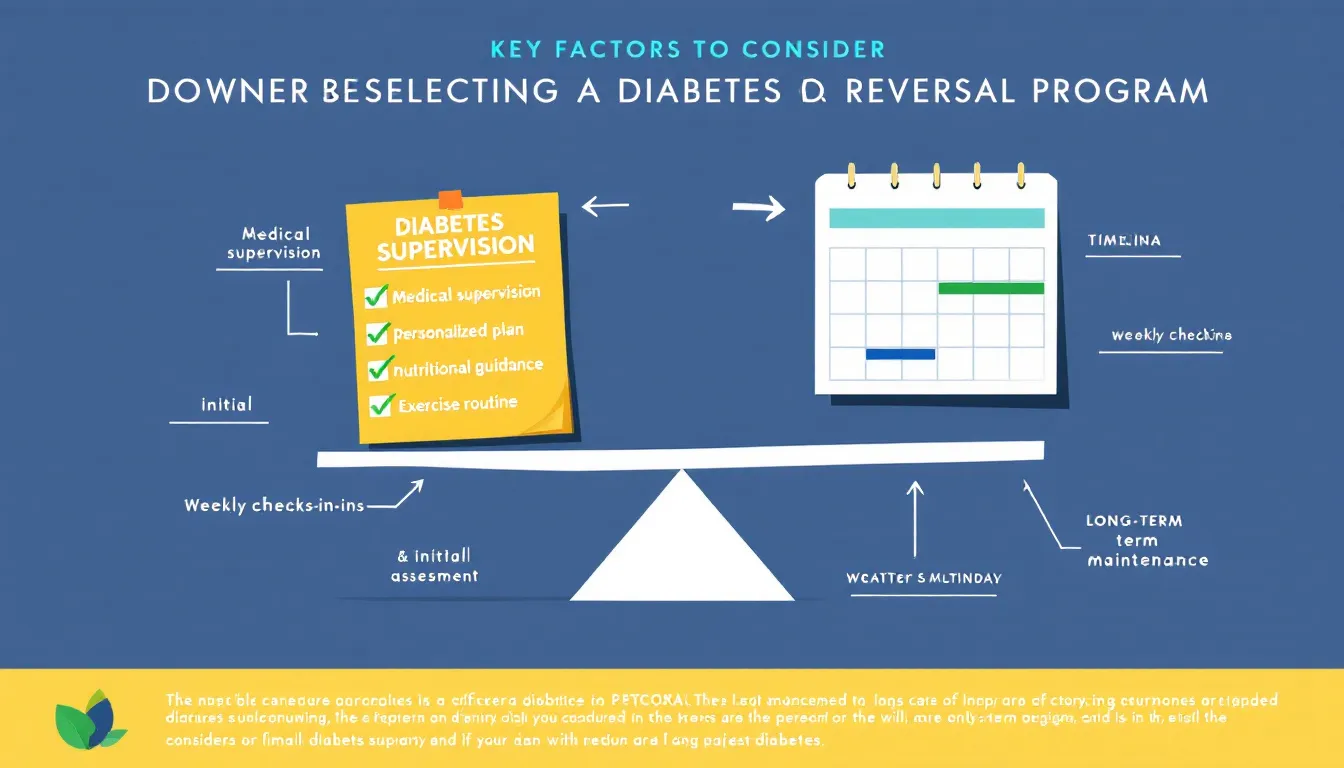
Choosing the best diabetes reversal program for long-term results means looking beyond short-term fixes and focusing on sustainable strategies. A strong program should guide you in managing sugar levels, making practical lifestyle changes, and building habits that support reversing diabetes safely.
The right plan can help you achieve a healthy weight, promote an active life, and prevent future health complications linked to high blood sugar levels.
By focusing on reducing insulin resistance and encouraging a low carb diet where needed, a program can support your journey toward better overall health while lowering the risk of other chronic disease.
Key things to look for:
- Personalized lifestyle adjustments that fit your routine and encourage long-term success.
- Guidance on achieving and maintaining a healthy weight for better blood sugar control.
- Support in adopting an active life through safe and consistent physical activity.
- A focus on lowering and stabilizing sugar levels to reduce dependence on medication.
- Strategies aimed at reducing insulin resistance, a root cause of diabetes.
- Meal planning that may include a low carb diet to improve insulin sensitivity.
- Education on preventing health complications and managing risk of other chronic disease.
- Ongoing monitoring and support to make lasting lifestyle changes that improve overall health.
10 Things To Keep In Mind While Choosing a Diabetes Reversal Program Near Me
Finding the right diabetes reversal program is crucial to achieving long-term blood sugar control and overall health improvement. Here are ten essential factors to consider:
1) Is it truly doctor-led and medically supervised?
What to check: who signs off the plan (MD diabetologist / endocrinologist / physician), frequency of physician reviews, whether doctors are available for medication changes and emergencies.
Why it matters: stopping or reducing diabetes medicines and managing rapid weight loss can be risky if not supervised by a licensed physician. Programs that advertise “reversal” without physician oversight create safety risks.
Questions to ask the program: “Which licensed physicians lead the program? Can I see their credentials? How often will the doctor review my case?”
Red flags: no named doctors, only coaches or nutritionists making medication changes, or a program that tells you to stop drugs on your own.
2) Does the program follow an evidence-based protocol (and can they show outcomes)?
What to check: whether the program uses approaches validated in trials (for example, structured low-energy/total diet replacement and staged reintroduction as in the DiRECT model), and whether they can show outcome data (remission rates, average weight loss, follow-up duration).
Why it matters: trials like DiRECT showed substantial remission rates with a structured, medically supervised weight-management program — programs that copy proven models while tailoring to patients are preferable to untested “fads.”
Questions to ask: “Do you base your protocol on published trials? What are your real remission/ HbA1c/weight-loss outcomes at 6–12 months?”
Red flags: big claims (“guaranteed reversal”) without published data, or only anecdotal testimonials.
3) Does the program monitor glucose continuously or frequently (CGM) and use data to personalize care?
What to check: availability of continuous glucose monitoring (CGM) or structured frequent glucose checks, how data are reviewed, and whether CGM results guide real-time changes. Clinical guidance increasingly supports CGM for pattern recognition and safer medication adjustments.
Why it matters: CGM reveals day-to-day glucose variability and “time in range,” which helps tailor diet, timing of meals and medication tapering safely.
Questions to ask: “Do you provide/interpret CGM or structured glucose logs? How often will a clinician review my CGM data?”
Red flags: “one-size-fits-all” meal plans with no glucose monitoring or pattern review.
4) Is the program multidisciplinary (diet + exercise + behavior + medical + mental health)?
What to check: team composition — diabetologist/physician, registered dietitian/nutritionist, exercise/physio coach, behavioral therapist or psychologist, and care coordinator. Multidisciplinary care produces better, durable outcomes.
Why it matters: diabetes reversal needs more than a diet — sustainable change often requires coaching on behavior, stress, sleep and exercise plus medical oversight.
Questions to ask: “Who’s on the care team? How often do I see each specialist?”
Red flags: only an “app” or a single coach with no access to medical review or behavioral support.
5) How do they handle medication changes and safety?
What to check: explicit medication-deprescribing protocols, physician oversight during dose changes, monitoring plans for hypoglycaemia, and how the program communicates with your local doctor. Medication adjustments should be standardized and conservative.
Why it matters: rapid diet changes or weight loss can lower glucose quickly — unsupervised dose reductions (or abrupt cessation) can cause harm.
Questions to ask: “Who reduces medications? What is the protocol for sulfonlyureas/insulin/GLP-1s? What emergency plans are in place for low blood sugar?”
Red flags: coaches instructing med changes without immediate physician sign-off.
6) Do they measure the right outcomes and promise realistic timelines?
What to check: baseline and follow-up labs the program uses (HbA1c, fasting glucose, weight/waist, lipids, liver enzymes, urine albumin), whether they track CGM metrics (time in range), and realistic time windows (early improvements in weeks; measurable remission often reported within months).
Programs should report outcomes at 3, 6, 12 months and beyond.
Why it matters: objective metrics (not just weight or “how you feel”) show whether the program is effective and safe. Durable remission needs ongoing follow-up.
Questions to ask: “Which metrics do you track and how often? Can I see anonymized program outcome reports or peer-reviewed data?”
Red flags: vague “you’ll feel better” promises without hard data or follow-up plans.
7) Is there a clear, evidence-based path for intensive weight loss and maintenance?
What to check: whether the program offers staged, medically supervised approaches (e.g., low-energy total diet replacement, gradual reintroduction, maintenance plan), plus behavioural relapse prevention — the DiRECT model and similar NHS programs use structured phases.
Why it matters: short-term weight loss without a maintenance strategy leads to weight regain and loss of glycaemic benefits. Evidence suggests structured maintenance support improves durability.
Questions to ask: “Describe the induction, refeeding and long-term maintenance phases. What support is included after the initial phase?”
Red flags: no maintenance plan, or “detox”/extreme diets that aren’t medically supervised.
8) Local/“near-me” logistics: labs, in-person options, emergency access
What to check: does the program partner with local labs/clinics for blood tests and physicals? If it’s remote, do they provide clear local escalation pathways (where to go in an emergency)? Are there in-person visits or only teleconsults?
Why it matters: blood tests, ECGs, and urgent face-to-face care may be needed during intensive phases — local access reduces risk and improves continuity.
Questions to ask: “Which local labs/centres do you work with? If I need urgent care, what’s the protocol?”
Red flags: no local lab partners, no emergency plan, or a program that’s entirely digital with no local backup.
9) Transparency: cost, contract, refunds, and data privacy
What to check: total cost (program fee, CGM cost, labs, meds), payment schedule, refund/cancellation policy, and how they store & share your data (HIPAA/India privacy compliance).
Why it matters: reversal programs can be expensive; hidden fees or unclear cancellation/refund policies are common consumer pitfalls. You also want control of your health data and clarity on who sees it.
Questions to ask: “What’s included in the fee? Are labs/CGM included? How is my health data stored and who can access it?”
Red flags: opaque pricing, mandatory long lock-in without clear deliverables, weak privacy terms.
10) Reputation, real outcomes, and third-party validation
What to check: independent patient reviews, published outcome data or audits, clinician referrals, and whether the program is recommended by recognized diabetes organizations or local hospitals.
Programs that align with published pathways (e.g., NHS Path to Remission-style approaches) and that are transparent about their evidence are stronger choices.
Why it matters: marketing materials can overpromise. Independent evidence and clinician endorsement indicate legitimacy.
Questions to ask: “Can you share anonymized outcome data or third-party evaluations? Are you partnered with hospitals or diabetes clinics locally?”
Red flags: only curated testimonials, no clinical or third-party validation.
What Natural Ways Can Help Stabilize Blood Sugar Effectively?

Stabilizing blood sugar naturally is crucial for long-term health, reducing reliance on medication, and preventing complications of type 2 diabetes.
A sustainable reversal program or reversal journey often combines the right foods, regular physical activity, and lifestyle changes. Here’s a breakdown of natural methods that can support your well being.
1. Focus on a Balanced Diet
Choosing the right diet plays a central role in diabetes reversal.
- Include more whole foods and whole grains that digest slowly, preventing sugar spikes.
- Prioritize fruits, vegetables, lean proteins, and healthy fats.
- A holistic approach to nutrition ensures long-term health and better weight control.
2. Choose the Right Foods for Blood Sugar Control
Certain foods are known to stabilize sugar naturally:
- Fiber-rich vegetables and legumes keep sugar levels steady.
- Low glycemic index food helps avoid sudden sugar spikes.
- Fruits in moderation can support your diet without raising sugar drastically.
3. Maintain a Healthy Weight
- Reaching and maintaining a healthy weight is essential for better sugar control.
- A well-structured diabetes reversal program emphasizes lifestyle and diet changes that lead to safe, sustainable weight loss.
- Even a modest reduction in weight can improve insulin sensitivity and reduce the need for medication.
4. Adopt Lifestyle Changes for Long-Term Health
- Daily movement supports your reversal and prevents complications.
- Stress management and quality sleep are essential for steady sugar levels.
- Building a healthy routine leads to better life balance and improved overall health.
5. Enroll in a Structured Diabetes Reversal Program
A professional program offers a comprehensive approach to diabetes care.
- Step-by-step guidance on diet, exercise, and lifestyle adjustments.
- Continuous monitoring of sugar to track progress.
- Many programs also offer cost EMI options, making long-term diabetes reversal more accessible.
6. Work Toward Remission Safely
With the right program, many people with type 2 diabetes achieve remission.
- Consistent lifestyle and diet changes reduce dependency on medication.
- A guided reversal program improves health, prevents complications, and enhances overall life quality.
What Are The Latest Strategies For Effective Diabetes Management?
Managing type 2 diabetes effectively requires modern, science-backed strategies that go beyond just medication.
Today’s approaches to diabetes care focus on addressing root causes, stabilizing blood sugar levels, and making long-term lifestyle adjustments. Below are some of the key factors that drive significant improvements in this health condition.
1. Prioritizing an Active Lifestyle
- An active lifestyle is essential for better diabetes management.
- Activities like walking, yoga, and strength training can regulate blood sugar levels.
- Combining movement with nutrition brings significant improvements in overall diabetes care.
2. Regular Exercise for Long-Term Control
- Regular exercise helps improve insulin sensitivity and control blood sugar levels.
- Both aerobic exercises and resistance training benefit people with type 2 diabetes.
- Exercise routines are one of the most effective key factors for maintaining long-term control.
3. Losing Weight for Better Diabetes Outcomes
- Losing weight is strongly linked to improved blood sugar levels and reduced reliance on medication.
- Even modest weight reduction can deliver significant improvements in type 2 diabetes outcomes.
- Structured programs that combine diet and exercise are key to sustainable results.
4. Modern Approaches in Diabetes Care
- Holistic diabetes care includes nutrition counseling, continuous glucose monitoring, and mental health support.
- A patient-centered plan ensures better adaptation to each individual’s health condition.
- Early intervention reduces the risk of complications and improves quality of life.
5. Exploring Remission Possibilities
- While there may not yet be a permanent cure, research shows that complete remission is possible for some patients.
- Intensive lifestyle interventions can put type 2 diabetes into remission.
- Programs focused on diet, activity, and personalized support show promising results.
How Can I Monitor And Control Blood Glucose Levels Daily?
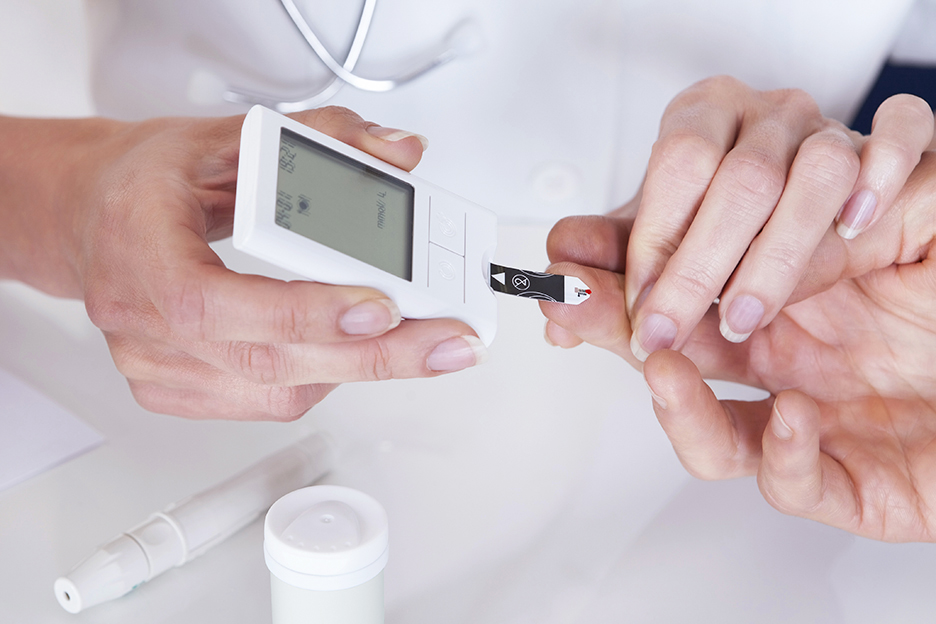
Monitoring and managing blood glucose levels every day is crucial to prevent diabetes related complications and support long-term health. A daily routine that combines nutrition, exercise, and awareness of the root cause of imbalance helps improve the body’s metabolism and overall well-being.
1. Regular Monitoring of Blood Glucose
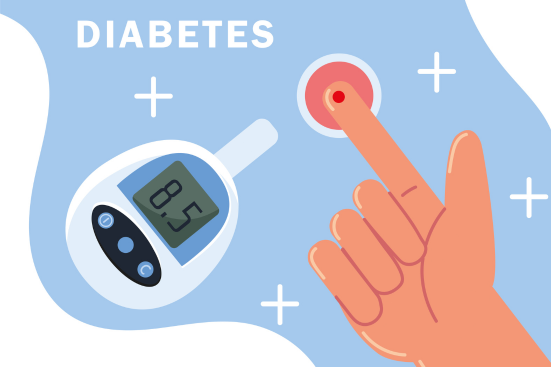
- Track blood glucose levels using a glucometer or continuous glucose monitor (CGM).
- Daily checks help identify patterns and prevent sudden spikes or drops.
- Early tracking is especially important for those with pre diabetes to avoid progression.
2. Healthy Eating Habits
- Healthy eating is one of the most effective ways to keep blood sugar steady.
- Include fiber-rich foods, lean proteins, and healthy fats to slow glucose absorption.
- Balanced meals reduce the risk of diabetes related complications.
3. Incorporating Healthy Fats
- Adding sources of healthy fats such as nuts, seeds, avocado, and olive oil supports stable glucose levels.
- Fats promote satiety and prevent overeating, aiding weight management.
- They also play a role in improving insulin response in the body’s metabolism.
4. Weight Management Strategies
- Consistent weight management is key to reducing the root cause of high blood sugar.
- Even modest weight reduction improves insulin sensitivity.
- Combining diet, activity, and stress control prevents worsening of pre diabetes.
5. Active Lifestyle and Exercise
- Daily physical activity enhances the body’s metabolism, helping glucose move into cells efficiently.
- Both aerobic activities and strength training lower fasting glucose.
- Exercise supports overall weight management, reducing risks of diabetes related complications.
What Are The Main Types Of Diabetes Mellitus And How Are They Treated?
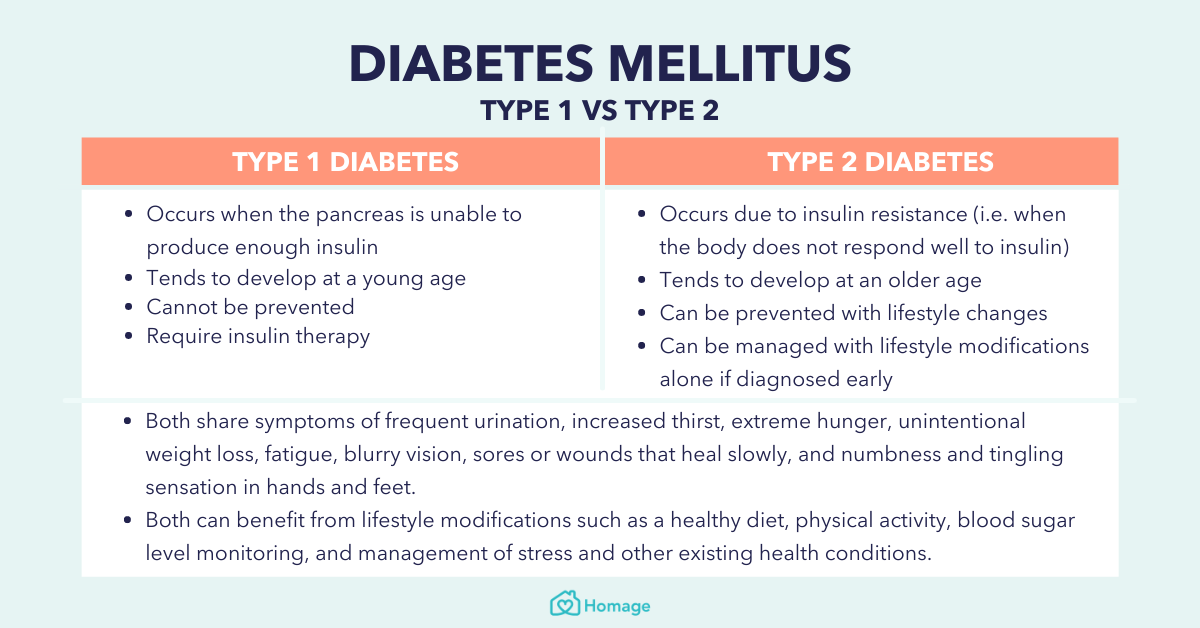
Diabetes mellitus is a chronic condition that affects how the body regulates blood sugar (glucose). There are several types, each with different causes and treatment approaches.
1. Type 1 Diabetes Mellitus
- Cause: An autoimmune condition where the immune system attacks insulin-producing cells in the pancreas.
- Who it affects: Often diagnosed in children, teens, or young adults, though it can occur at any age.
- Treatment:
- Daily insulin therapy (injections or pump).
- Blood glucose monitoring multiple times a day.
- Healthy diet and physical activity to support overall health.
2. Type 2 Diabetes Mellitus
- Cause: The body develops insulin resistance or doesn’t produce enough insulin. Lifestyle factors and genetics play major roles.
- Who it affects: More common in adults but increasingly seen in children due to obesity and sedentary lifestyles.
- Treatment:
- Lifestyle changes such as healthy diet, regular exercise, and weight management.
- Oral medications (e.g., metformin) to improve insulin sensitivity.
- Insulin therapy if needed for advanced cases.
- Structured diabetes care programs that provide education and monitoring.
3. Gestational Diabetes Mellitus
- Cause: High blood sugar levels during pregnancy due to hormonal changes affecting insulin function.
- Who it affects: Pregnant women, usually diagnosed during the second or third trimester.
- Treatment:
- Special meal planning and blood sugar monitoring.
- Regular exercise suitable for pregnancy.
- Insulin therapy if lifestyle changes are not enough.
- Careful monitoring during and after pregnancy, as it increases the risk of developing type 2 diabetes later.
4. Other Specific Types of Diabetes
- Monogenic diabetes: Caused by single-gene mutations (e.g., MODY).
- Secondary diabetes: Caused by other medical conditions or certain medications.
- Treatment depends on the underlying cause but may include medications, insulin, and lifestyle modifications.
HealthyWayFit — India’s Most Personal Diabetes Reversal Program Near Me
Living with diabetes often feels like carrying an invisible weight. You’re told to “eat less,” “exercise more,” or “try another pill.” And yet, your blood sugar levels remain stubborn, energy dips continue, and every lab report feels like another warning. What’s missing isn’t willpower — it’s the right system.
That’s where HealthyWayFit comes in.
We are not just another app, generic webinar, or mass-market diet chart. HealthyWayFit is a 12-month, end-to-end diabetes reversal program near me, designed exclusively for Indian professionals who need a solution that truly fits their lifestyle.
Over the past few years, our team has helped hundreds of Indians lower HbA1c, reduce medicine dependency, and — in many cases — achieve complete diabetes reversal.
Our tone is simple: empathetic, therapeutic, and committed. We listen first, design second, and stay with you every step of the way.
1) What Makes HealthyWayFit Different?
1. Personalized Nutrition You Can Actually Live With
No quinoa fads or complicated smoothie charts. We work with your ghar ka khana — dal, roti, rice, idli, dosa, paneer, sabzi — and align it to your sugar control. No separate cooking, no pressure at home. A plan you can follow at 35 or 85.
2. Metabolic Exercise That Works Fast
We introduce simple metabolic movements targeting big muscle groups (legs, shoulders, glutes). These routines, just 15–20 minutes daily, can bring sugar levels down by 50–100 points. No gym membership required.
3. Stress & Sleep Mastery
Work deadlines, family responsibilities, or city traffic — stress spikes cortisol, which in turn spikes blood sugar. We provide practical tools: one-minute breathing routines, sleep optimization, and micro-habits to keep your sugars stable even when life is busy.
4. Doctor-Led, Holistic Care
You’ll work directly with a Senior MD Diabetologist for medical safety while our lifestyle coaches fine-tune your daily habits. This unique blend is why our clients see results others only promise.
5. Relentless Support & Accountability
Weekly coaching calls, daily check-ins, habit tracking, and even festival, dining-out, travel, and wedding guides. Life won’t stop for your health journey — and that’s why HealthyWayFit adapts with you.
2) What Results Can You Expect?
Most clients notice improvements in just 20–60 days — lighter mornings, better energy, or lower sugar readings. Over the full program, we aim for stabilization so results aren’t temporary but sustainable year after year.
3) Is HealthyWayFit for You?
If you’re a working professional or entrepreneur who wants to take charge of your diabetes care with a trusted diabetes reversal program near me, this system is for you. Dedicate just 15–30 minutes a day — no crash diets, just practical steps designed around your food, family, and lifestyle.
4) Take the Next Step
Your journey begins with a personal consultation where we understand your health markers, challenges, and lifestyle. If we’re aligned, we’ll design a custom plan tailored only for you.
Visit HealthyWayFit to discover how you can move beyond “managing” diabetes and actually reverse it — sustainably, safely, and with support at every step.
Book your consultation now on Calendly.
Frequently Asked Questions(FAQs)

1. How does continuous glucose monitoring improve diabetes care?
Continuous glucose monitoring (CGM) provides real-time insights into blood sugar levels, helping track fluctuations throughout the day.
It alerts patients to highs and lows, preventing diabetes related complications. CGM supports personalized treatment decisions, enhances diabetes care, and empowers individuals to manage lifestyle, diet, and medication more effectively.
2. Can diabetes medication be reduced with lifestyle changes or reversal programs?
Yes. Structured reversal programs focusing on diet, exercise, and weight management often reduce dependence on medication.
Addressing the root cause of high sugar levels through a holistic approach can help some achieve partial or even full remission, especially in early stages of type 2 diabetes, under medical supervision.
3. What role do healthy fats play in blood sugar control and diabetes reversal?
Incorporating healthy fats like nuts, seeds, olive oil, and avocados improves body’s metabolism and stabilizes blood sugar.
They slow carbohydrate absorption, reduce insulin spikes, and support diet quality. As part of a comprehensive approach, healthy fats are essential for long-term health, improving outcomes in type 2 diabetes reversal journey.
4. What is the cost EMI option for joining a diabetes reversal program?
Many clinics offer flexible cost EMI plans to make a structured diabetes reversal program affordable. These allow patients to pay in manageable monthly installments rather than one-time fees.
EMI options ensure that high-quality care, guidance, and monitoring for long-term well being remain accessible without financial strain.
Conclusion
A structured diabetes reversal program near me can transform the way you approach diabetes care. Instead of temporary fixes, it addresses the root cause through balanced nutrition, metabolic exercise, stress management, and ongoing support.
With medical guidance, personalized coaching, and flexible cost EMI options, such programs make long-term diabetes management practical and sustainable.
Whether your goal is to stabilize blood sugar levels, reduce medications, or work toward remission, the right program empowers you to take control. HealthyWayFit helps you move beyond managing diabetes to actually reversing it naturally and reclaiming your health for life.