How to Reduce Insulin Dose in Type 2 Diabetes: A 2026 Step-by-Step Guide
Quick Answer
To safely reduce insulin dose in type 2 diabetes, you need to: (1) work with your doctor to identify target blood glucose levels, (2) make lifestyle changes — especially a low-carbohydrate diet and regular exercise — that lower insulin resistance, and (3) apply the 10% rule: reduce basal insulin by 10% after three consecutive fasting readings below 80 mg/dL. According to a 2024 systematic review, up to 50% of people with type 2 diabetes who make structured lifestyle changes are able to significantly reduce or eliminate insulin use.

If you have been prescribed insulin for type 2 diabetes, you may be wondering whether it is possible — and safe — to reduce your dose over time. The short answer is yes, for many people. Unlike type 1 diabetes, where the pancreas produces no insulin, type 2 diabetes involves insulin resistance and often some remaining pancreatic function. That means lifestyle changes can meaningfully reduce the amount of insulin your body needs.
This guide draws on published clinical research and established dose-adjustment protocols to walk you through exactly how the process works — and what role your doctor must play throughout.
Is It Safe to Reduce Insulin in Type 2 Diabetes?
For most people with type 2 diabetes, reducing insulin is not only possible — research suggests it is a realistic goal when the right interventions are in place. A 2024 systematic review and meta-analysis by Siddiq et al., covering 32 randomised controlled trials, found that structured lifestyle interventions produced:
- HbA1c reductions of 0.6% to 1.8%
- Fasting blood glucose reductions of 20–60 mg/dL
- Up to 50% of participants reducing or eliminating insulin use

However, safety depends on careful monitoring. Reducing insulin too quickly — or without replacing those blood glucose management strategies — can cause hyperglycemia (dangerously high blood sugar), which carries serious health risks. Always work with your healthcare provider before making any changes.
Learn more about the underlying science in our guide: Is Type 2 Diabetes Reversible?
The 10% Rule: How Doctors Adjust Insulin Doses
The most widely used clinical framework for adjusting insulin in type 2 diabetes is the 10% rule, developed from University of Iowa Healthcare clinical protocols and used across many diabetes clinics.
How the 10% Rule Works
| Pattern | Fasting Blood Glucose | Action |
|---|---|---|
| Consistently low | 3 consecutive readings < 80 mg/dL | Reduce basal insulin by 10% |
| In range | 80–130 mg/dL most days | Maintain current dose |
| Consistently high | 3 consecutive readings > 130 mg/dL | Discuss 10% increase with doctor |
Clinicians at UCSF recommend that basal insulin should typically make up 40–50% of the total daily insulin dose, with bolus (mealtime) insulin covering the remaining 50–60%. If lifestyle changes meaningfully reduce your mealtime blood sugar spikes, bolus doses are often reduced first.
Two additional clinical formulas are used to fine-tune dosing:
- Rule of 500 (insulin-to-carb ratio): 500 ÷ total daily insulin dose = grams of carbohydrate covered by 1 unit
- Rule of 1800 (correction factor): 1800 ÷ total daily insulin dose = how many mg/dL one unit lowers blood glucose
These formulas give your care team a structured starting point — your actual response will be tracked through daily blood glucose readings and adjusted accordingly.
Diet Changes That Lower Insulin Needs
Dietary change is the single most powerful lever available for reducing insulin requirements. Research consistently shows that reducing dietary carbohydrate lowers postprandial (after-meal) blood glucose, which directly reduces the amount of insulin needed to manage those spikes.
Low-Carbohydrate Diet
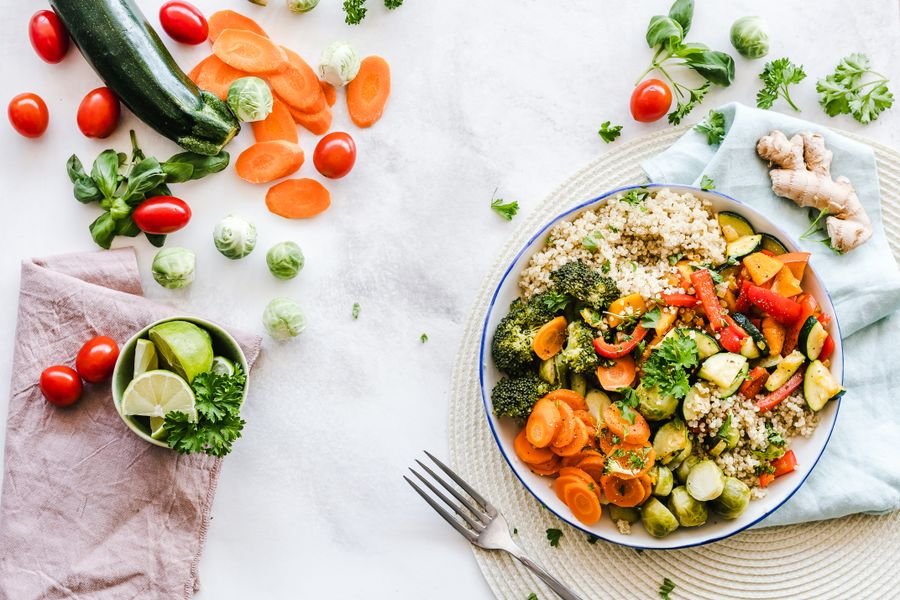
A low-carbohydrate diet (typically fewer than 130g of carbohydrates per day) has been found in research to reduce HbA1c by 0.9–1.2% over 12–24 weeks. Because carbohydrates require insulin for cellular uptake, reducing carbohydrate intake directly reduces postprandial insulin demand. For people on mealtime insulin, this often means bolus doses can be reduced quickly and substantially.
Key foods to emphasise:
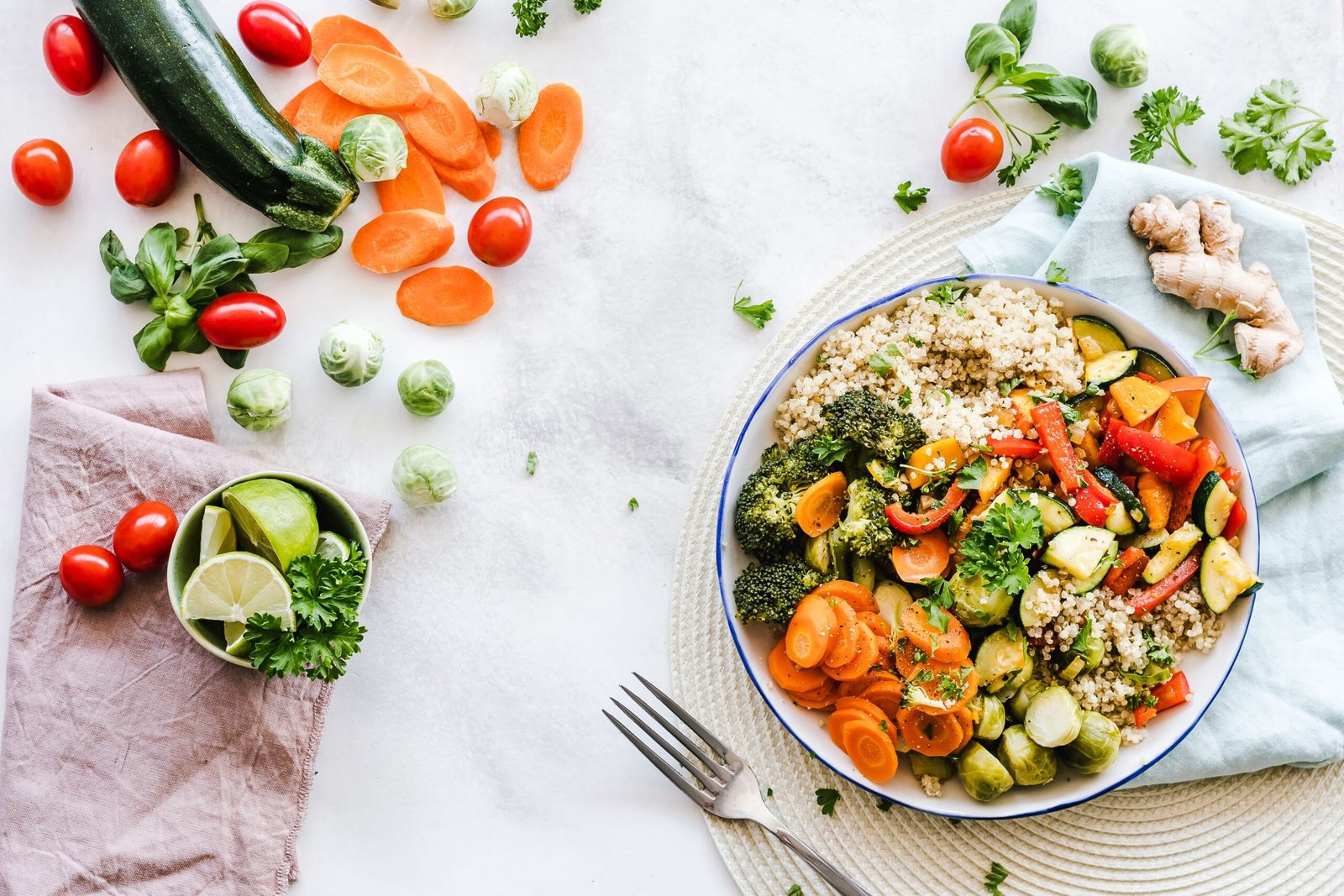
- Non-starchy vegetables (broccoli, spinach, cauliflower, zucchini)
- Lean proteins (chicken, fish, eggs, legumes)
- Healthy fats (avocado, olive oil, nuts)
Key foods to reduce:
- White bread, rice, pasta
- Sugary drinks and fruit juice
- Ultra-processed snack foods
Mediterranean Diet

The Mediterranean diet — rich in vegetables, olive oil, fish, legumes, and moderate whole grains — has been associated in research with HbA1c reductions of 0.7–1.5% and, in some studies, reductions in insulin use of up to 30%. Its anti-inflammatory properties also address underlying drivers of insulin resistance.
For people with type 2 diabetes looking to reduce insulin, either dietary approach can work. The best diet is the one you can maintain consistently. See our full guide: What Is HbA1c and How Is It Used?
How Exercise Reduces Insulin Requirements
Exercise works through two distinct mechanisms that reduce insulin requirements:
- Immediate glucose uptake: During aerobic exercise, muscle cells take up glucose without needing insulin, lowering blood glucose for up to 24–48 hours after activity.
- Long-term insulin sensitivity: Regular exercise increases the number and efficiency of GLUT4 transporters in muscle cells, making cells more responsive to whatever insulin is present.

According to research, structured aerobic exercise programmes reduce fasting blood glucose by 22–50 mg/dL and HbA1c by up to 1.4%. Resistance training adds a further benefit by increasing muscle mass, which acts as a glucose “sink” and improves baseline insulin sensitivity.
Recommended exercise targets for reducing insulin needs:
- At least 150 minutes of moderate aerobic activity per week (e.g., brisk walking, cycling, swimming)
- Resistance training 2–3 times per week
- Avoid sitting for more than 90 minutes without a short walk
Important: Exercise can cause blood glucose to drop, particularly if you take insulin. Check your glucose before, during, and after exercise, especially when starting a new routine. Your doctor may reduce your insulin proactively on high-activity days.
The Role of Weight Loss
Excess body fat — particularly visceral (abdominal) fat — is a primary driver of insulin resistance in type 2 diabetes. Research has found that losing as little as 5–10% of body weight measurably improves insulin sensitivity. More substantial weight loss of 10–15 kg has been associated in research with insulin elimination in some people with type 2 diabetes.
Weight loss reduces insulin needs through several pathways:
- Reduced liver fat (hepatic steatosis), which is strongly associated with insulin resistance
- Decreased circulating free fatty acids, which impair insulin signalling
- Reduced inflammatory cytokines that interfere with insulin receptors
Practically, even a 5% reduction in body weight — 4–5 kg for most people — is often enough to notice a meaningful change in blood glucose control and the opportunity to begin reducing insulin doses with your doctor’s support.
Want to learn more about reversing the metabolic drivers of type 2 diabetes? Watch our free training here.
Blood Glucose Monitoring: Knowing When to Adjust

Accurate blood glucose data is the foundation of safe insulin dose reduction. Without knowing how your glucose is behaving — particularly fasting levels and post-meal spikes — there is no safe basis for changing doses.
Your care team will typically look at:
- Fasting blood glucose (first thing in the morning, before eating): target 80–130 mg/dL
- Post-meal blood glucose (2 hours after eating): target below 180 mg/dL
- HbA1c (every 3 months): target below 7.0% for most people with type 2 diabetes
Continuous glucose monitors (CGMs) are increasingly used because they provide a full picture of glucose patterns — including overnight dips that can indicate the basal insulin dose is too high. CGM data can accelerate safe dose reductions significantly.
Check your HbA1c at least every 3 months while actively adjusting your insulin.
Working With Your Doctor Step by Step
Here is a practical step-by-step framework for approaching insulin reduction with your healthcare provider:
- Schedule a dedicated review. Ask your GP or endocrinologist for an appointment specifically to discuss your diabetes management goals and whether insulin reduction is appropriate for you.
- Establish a baseline. Track fasting blood glucose every morning for 2 weeks before making any changes. This gives your care team the data they need.
- Start lifestyle changes first. Begin the dietary and exercise changes discussed above. Do not reduce insulin simultaneously — let your blood glucose data show the effect of the lifestyle changes.
- Apply the 10% rule under guidance. Once fasting readings are consistently below 80 mg/dL, your doctor may reduce basal insulin by 10%. Repeat the monitoring cycle.
- Adjust bolus doses separately. If your after-meal readings are falling, work with your care team to reduce mealtime insulin — often in 1–2 unit increments per meal.
- Monitor HbA1c at each review. This 3-monthly blood test confirms whether your average glucose control is maintained as doses are reduced.
Video: How Insulin Reduction Works in Type 2 Diabetes
Warning Signs Your Insulin Is Too Low
As importantly as knowing when to reduce insulin, you need to recognise when your dose is too low. Signs of hyperglycemia (too little insulin) include:
- Fasting blood glucose consistently above 130 mg/dL
- Increased thirst and frequent urination
- Blurred vision
- Fatigue and difficulty concentrating
- Slow-healing cuts or infections
If you experience any of these symptoms following a dose reduction, contact your doctor or diabetes care team promptly. Do not attempt to re-adjust insulin without professional guidance.
Frequently Asked Questions
Can I reduce my insulin dose on my own without a doctor?
No — insulin dose changes should always be made under medical supervision. Reducing insulin without guidance can cause dangerously high blood glucose (hyperglycemia). Work with your doctor or diabetes care team to adjust doses safely.
How quickly can insulin needs decrease in type 2 diabetes?
Research has found that meaningful reductions in insulin requirements can occur within 8–16 weeks of consistent lifestyle changes such as a low-carbohydrate diet or structured exercise. According to a 2024 systematic review (Siddiq et al.), up to 50% of participants in lifestyle intervention studies reduced or eliminated their insulin use.
What blood sugar level means my insulin dose is too high?
According to University of Iowa Healthcare guidelines, three consecutive fasting blood glucose readings below 80 mg/dL (4.4 mmol/L) suggest your basal insulin dose may be too high and should be reviewed with your doctor. Below 70 mg/dL is considered hypoglycemia and requires immediate attention.
Does losing weight reduce insulin requirements in type 2 diabetes?
Yes. Research has found that losing 5–10% of body weight meaningfully improves insulin sensitivity. Studies suggest that weight loss of 10–15 kg can allow some people with type 2 diabetes to reduce or stop insulin altogether, particularly when combined with dietary changes.
What is the 10% rule for reducing insulin?
The 10% rule is a widely used clinical guideline: if you record three consecutive fasting blood glucose readings below 80 mg/dL, reduce your basal insulin dose by 10%. If readings are consistently above 130 mg/dL, discuss a 10% increase with your doctor. Always confirm this approach with your healthcare provider before implementing it.
Conclusion: A Realistic Path Forward
Reducing insulin dose in type 2 diabetes is achievable for many people — but it requires a structured approach. The evidence is clear: dietary change (especially low-carbohydrate or Mediterranean eating patterns), regular exercise, and weight loss can each meaningfully reduce insulin resistance and lower your insulin requirements over weeks to months.
The key is to move in partnership with your doctor, track your blood glucose diligently, and apply dose changes slowly and systematically — starting with the 10% rule under clinical guidance.
If you would like to understand the full picture of reversing insulin resistance, watch our free training to learn how the HealthyWayFit programme supports people with type 2 diabetes through structured, evidence-based lifestyle change.
For deeper background on the metrics your doctor uses to track your progress, read our guide: What Is HbA1c?
By Team HealthyWayFit