By Kirti, Founder & Serial Entrepreneur, HealthyWayFit
Research-led service guide. Checked 15 October 2026. HealthyWayFit sells lifestyle support and is included as an option, with that commercial relationship disclosed.
Choose a prediabetes program in India for sustained support with everyday habits, qualified assessment and a clear retesting plan. Start by confirming your results with a clinician. Then compare private coaching, structured programs and local nutrition care by the work they actually do between tests. A promise to normalize a number quickly is not a sufficient reason to enroll.
This article is for informational purposes only and does not constitute medical advice. Always consult a qualified healthcare professional before making changes to your diet, exercise routine or medication.
What should a prediabetes program help you do?
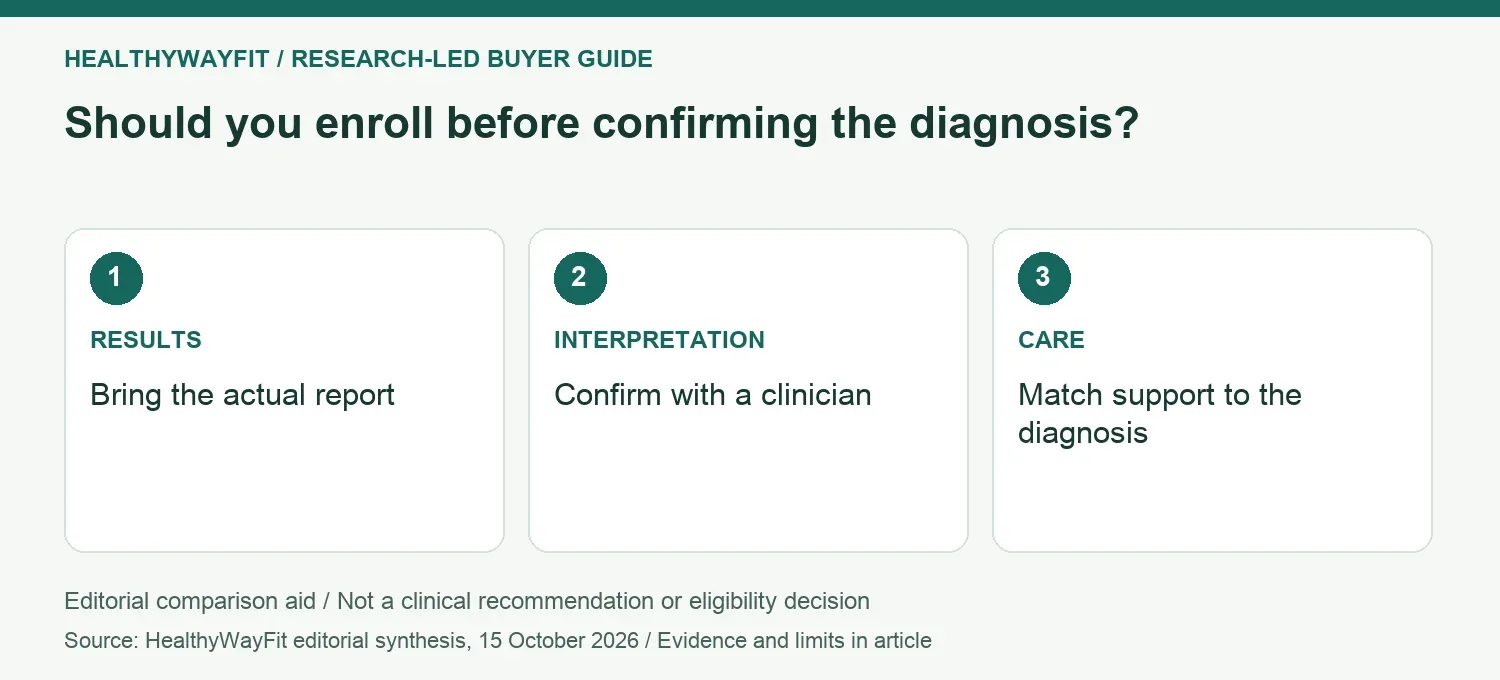
A useful program helps you translate clinical advice into an eating pattern, activity routine and follow-up process you can maintain. It should explain how progress will be reviewed and what happens if results do not improve.
The purchase is more than a meal chart. Ask whether the service helps with planning, barriers, motivation and adjustment over time. A busy schedule, food budget or joint pain can change the support you need.
The ADA 2026 prevention guidelines support structured lifestyle programs for people at high risk and recognize technology-assisted options. Those recommendations do not certify a particular Indian commercial provider or guarantee prevention for every participant.
Should you enroll before confirming the diagnosis?
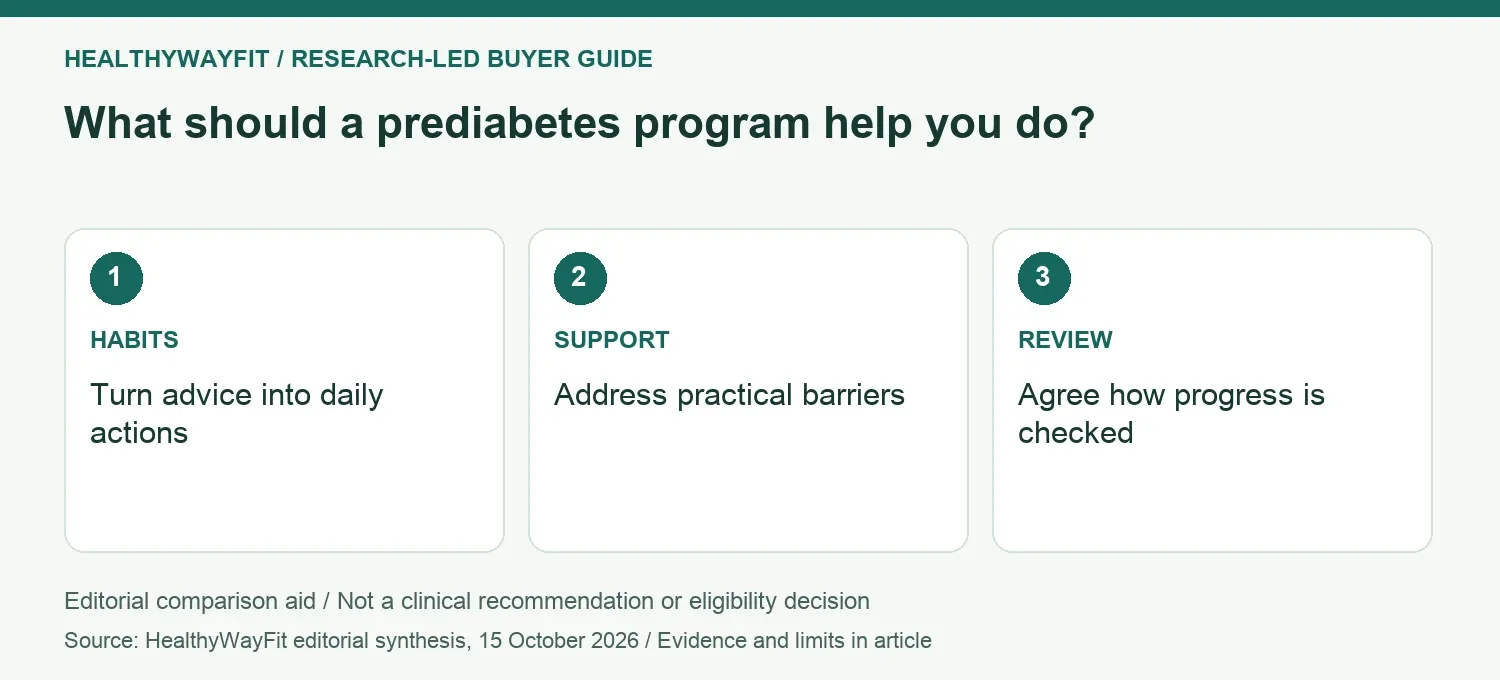
Get a clinical interpretation of your test results before buying a condition-specific program. A risk quiz or sales screening is not a substitute for diagnosis.
Ask which test led to the recommendation, whether confirmation is needed, and whether any circumstances affect interpretation. If the assessment indicates diabetes rather than prediabetes, you need a care plan appropriate to that diagnosis.
Our prediabetes guide explains the background tests and terminology. Use it to prepare questions, not to label yourself from one isolated reading. Take your actual report to the professional responsible for assessing you.
What does Indian prevention research show?
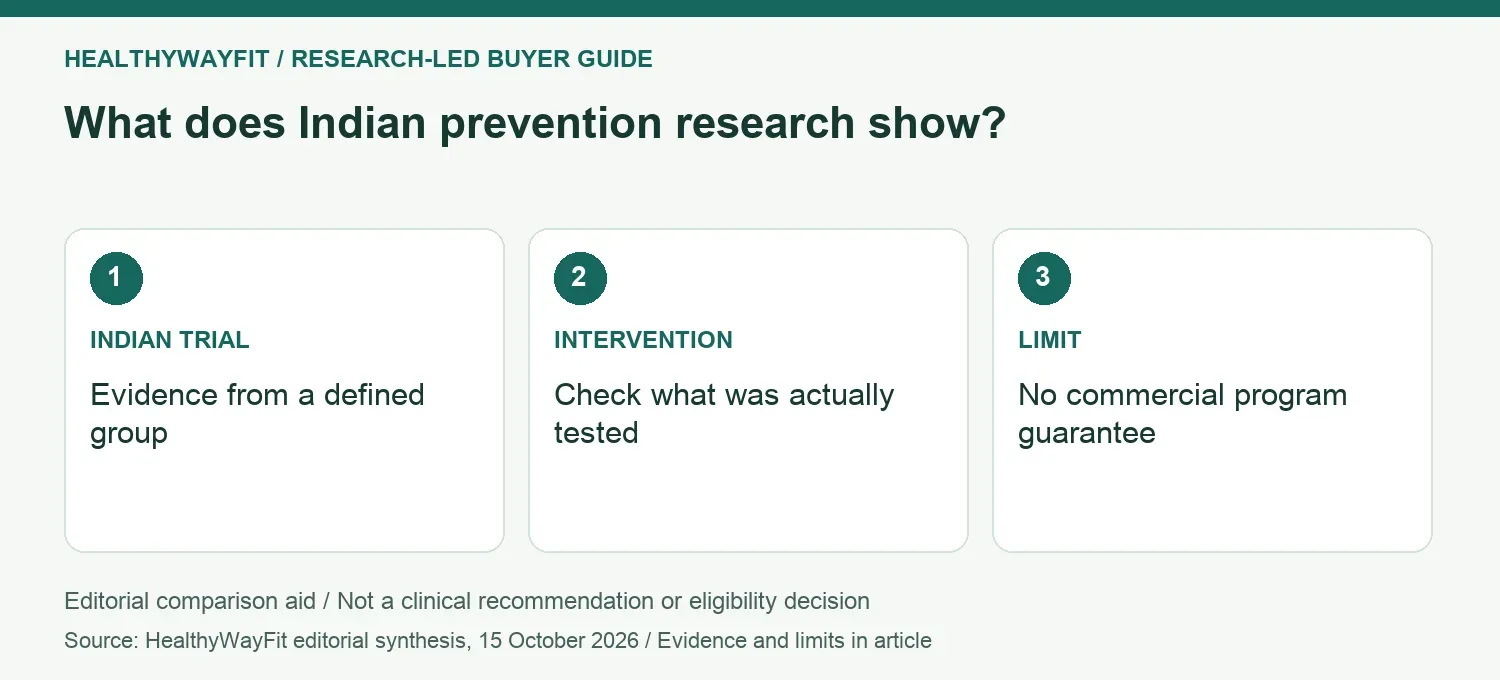
Indian research supports taking structured prevention seriously, while leaving room for individual outcomes and different program designs. It does not justify assuming that every branded plan reproduces trial results.
The original Indian Diabetes Prevention Programme, IDPP-1 randomized adults with impaired glucose tolerance to different prevention approaches. Lifestyle modification reduced progression to diabetes compared with control over follow-up. The trial studied a defined risk group and a specific intervention; it was not a test of today’s coaching apps or a promise of permanent protection.
When a provider borrows a research percentage, ask whether its own service, participants and follow-up resemble the trial. A study of people with impaired glucose tolerance may not answer every question for someone identified through a different test or clinical history.
Which support model should you compare first?
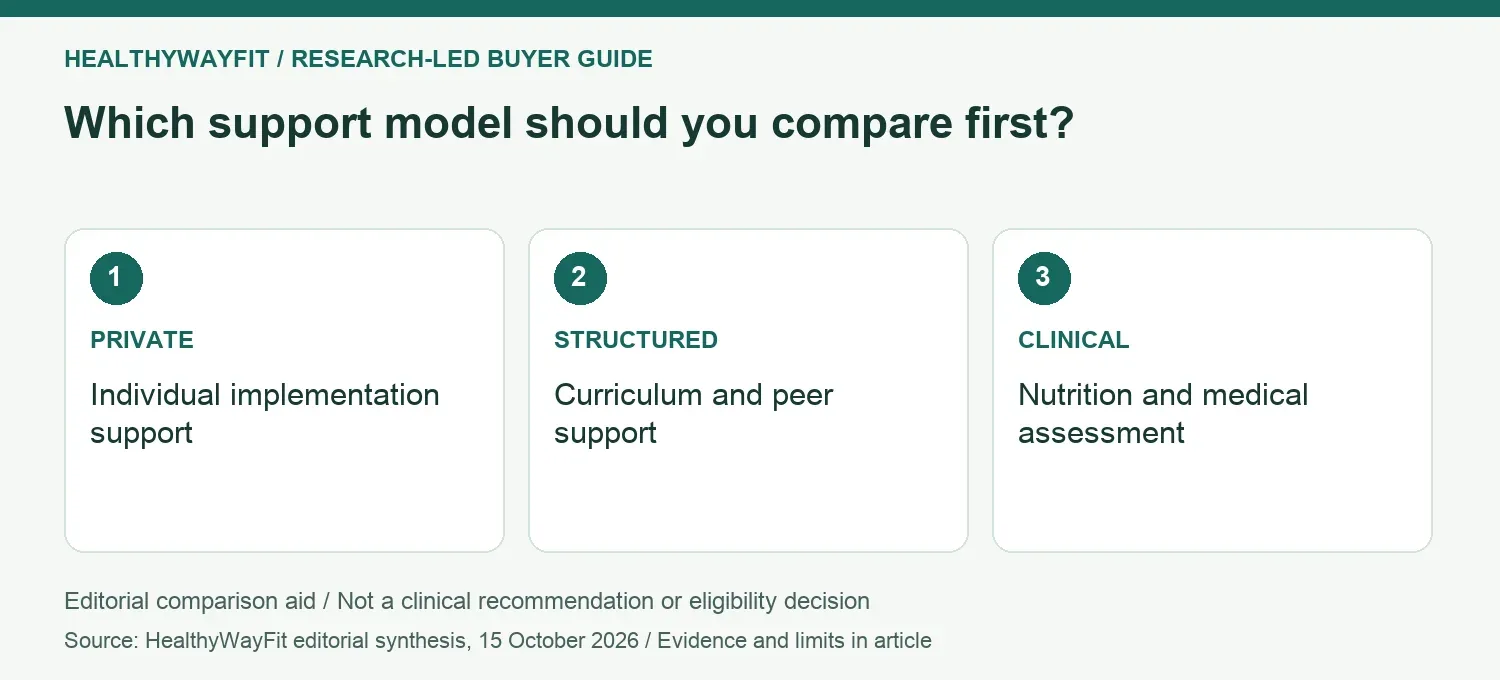
Shortlist the format that addresses your main obstacle: private accountability, a scheduled curriculum or professional nutrition assessment. Several formats can be combined if responsibilities stay clear.
| Option | Worth investigating when | Verify before joining |
|---|---|---|
| Private one-on-one coaching | You want individual implementation support | Staff qualifications, continuity and scope |
| Structured group program | A fixed timetable and peer support appeal | Individual review and missed-session options |
| Dietitian appointments | Food choices are the main issue | Assessment, revisions and follow-up |
| Local multidisciplinary care | You need coordinated clinical assessment | Referrals, access and ongoing costs |
Do not assume that a group program has no personal support or that a private program is automatically more effective. Ask what your actual package provides. Choose a model you can attend and use.
How should the program adapt to Indian meals?
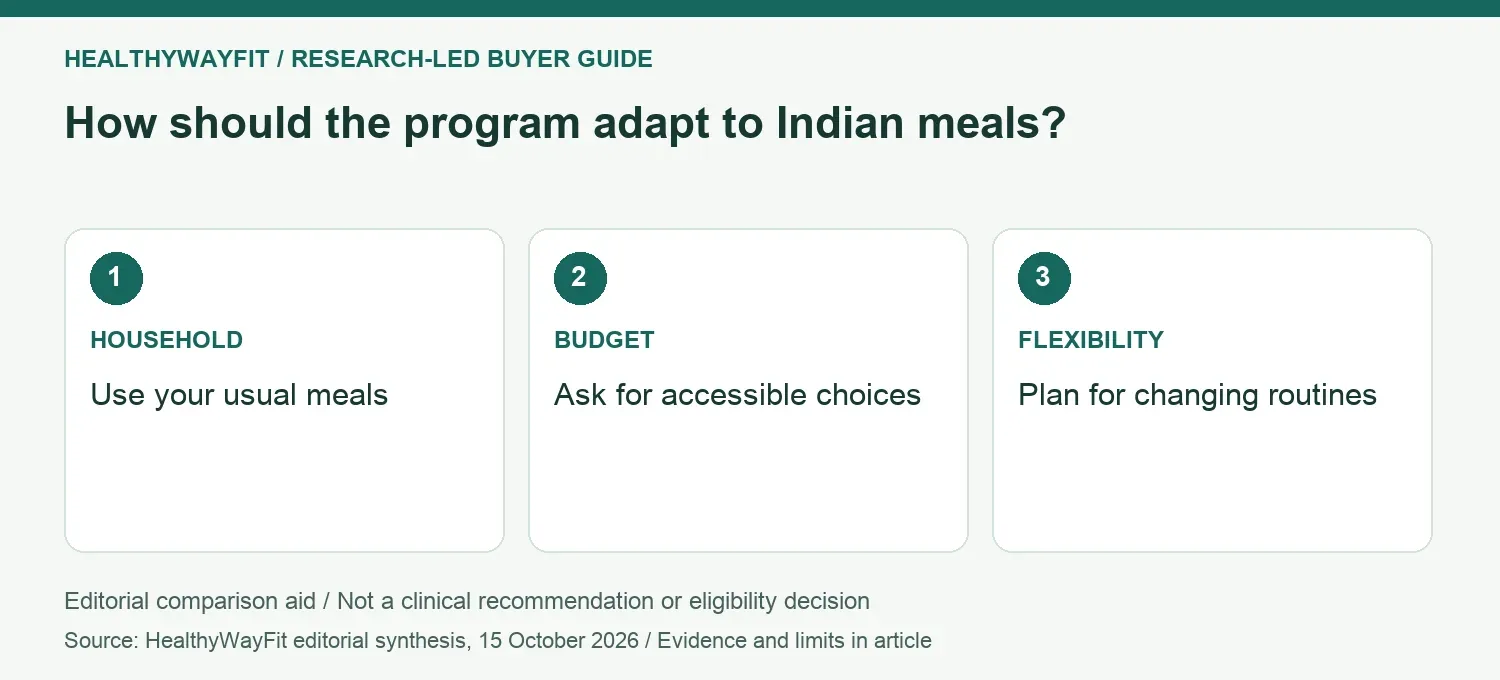
Ask for an approach that works with your household’s food, language and budget. “Indian diet” is too broad to describe the differences between regions, family routines and personal preferences.
Bring a normal day of meals to the consultation. Ask how the provider handles a shared rice-based meal, rotis, a canteen lunch, eating outside, or festival occasions, depending on your own routine. These are assessment examples, not instructions to eat or avoid a particular food.
Find out whether the plan expects separate cooking or compulsory branded products. If it does, ask why and what alternatives exist. Our personalised diet plan checklist explains what useful assessment and revision should include.
What if weight loss is not your main need?
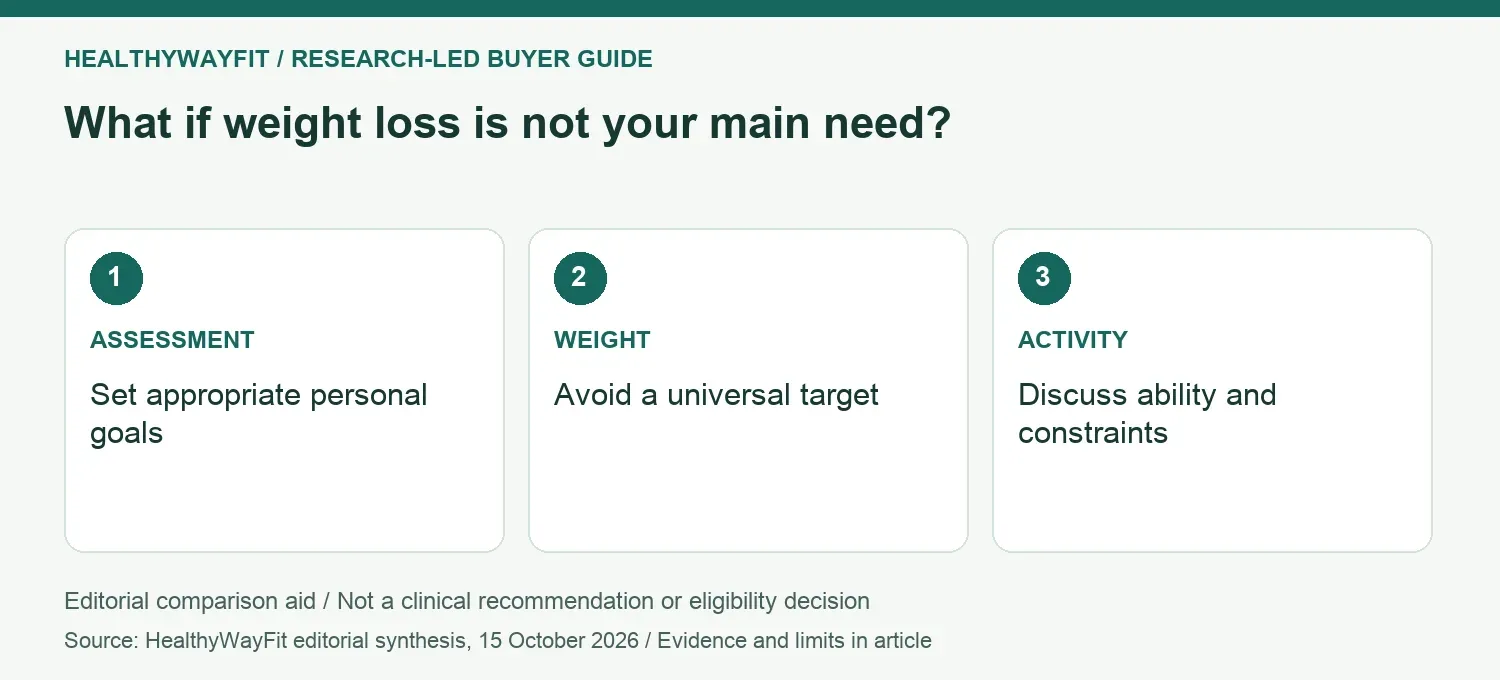
Ask for goals based on your clinical assessment, rather than accepting a standard weight-loss target for every participant. The same calorie restriction or exercise prescription will not fit every person.
The ADA’s prevention recommendation includes weight reduction for adults with overweight or obesity. That qualification matters. Tell the assessor about your current weight trajectory, age, strength, medical conditions and previous experiences with restrictive diets.
If a provider cannot explain how it adapts support for someone who does not need weight loss, consider a different assessment route. You are buying appropriate support for your risk and circumstances, not a competition to achieve the largest change on a scale.
What should monitoring and retesting include?
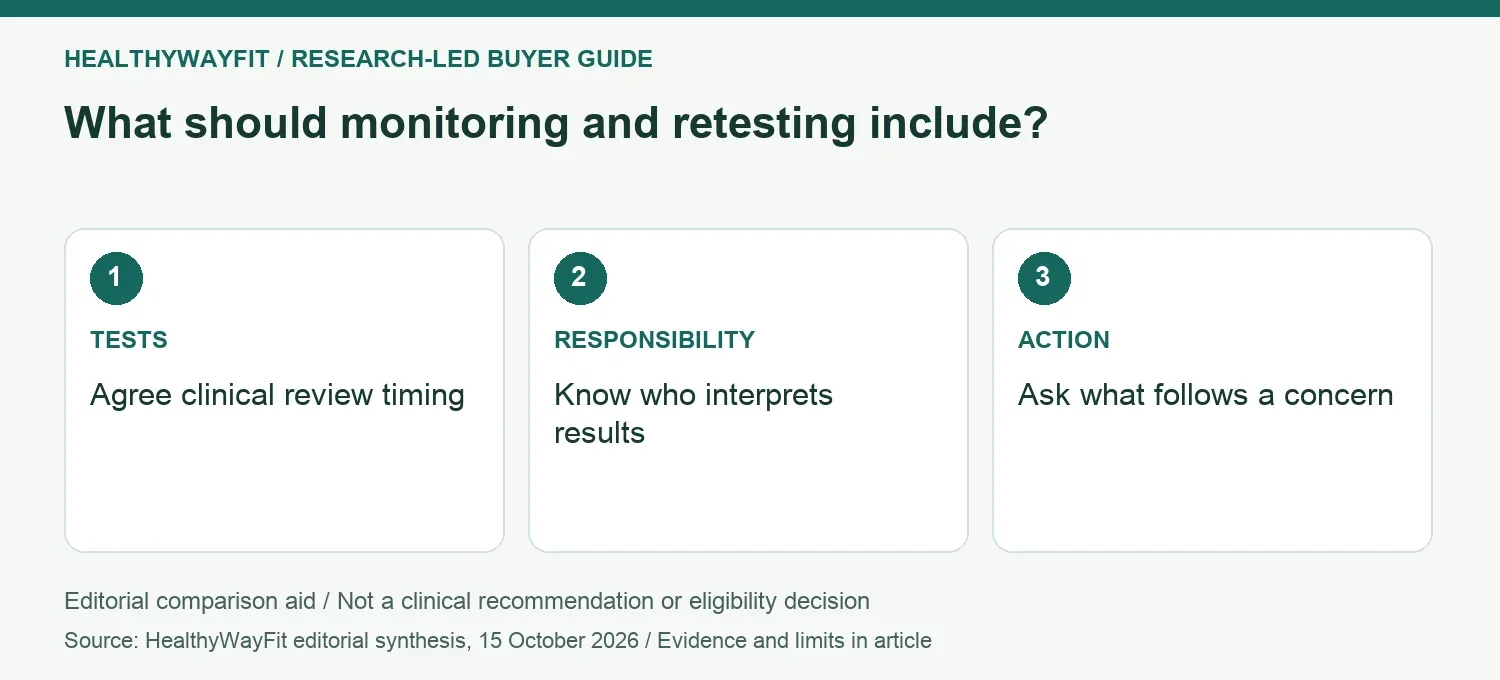
Agree with your clinician which tests and review timing are appropriate, then ask how the program will support that plan. Frequent app readings do not replace an agreed clinical review.
Clarify who orders tests, where you can obtain them, who interprets the results and whether fees are included. Ask what action follows a result outside the agreed range. If a sensor is offered, request a clinical explanation of its role and the plan after the monitoring period ends.
Progress can also include carrying out agreed habits and identifying barriers. The provider should distinguish those process measures from a laboratory outcome. Attendance alone should not be presented as proof that your future diabetes risk has been eliminated.
How do you compare fees and program length?
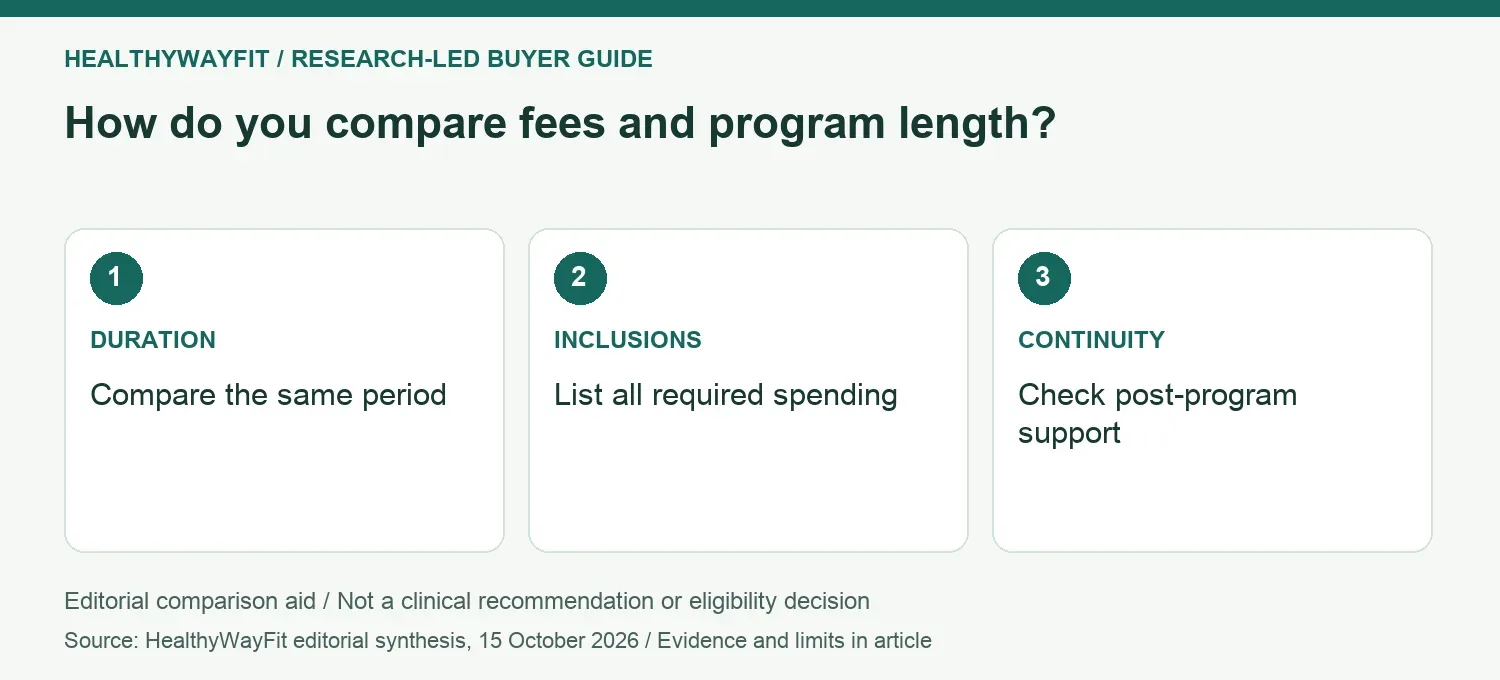
Compare the complete support period and what happens after the introductory phase. A short challenge, a year-long subscription and periodic clinical appointments are different purchases.
Request a written breakdown of enrollment, consultations, tests, devices, revisions and renewal. Find out whether a low monthly figure is an installment of a longer obligation. Ask about refunds, pauses, missed appointments and access to your records after leaving.
For a fair shortlist, write down your total expected spending over the same period for each option. Include travel if attending locally and supplies if using devices. Do not pay a higher fee solely because the package uses the word “reversal.”
When is HealthyWayFit worth considering?
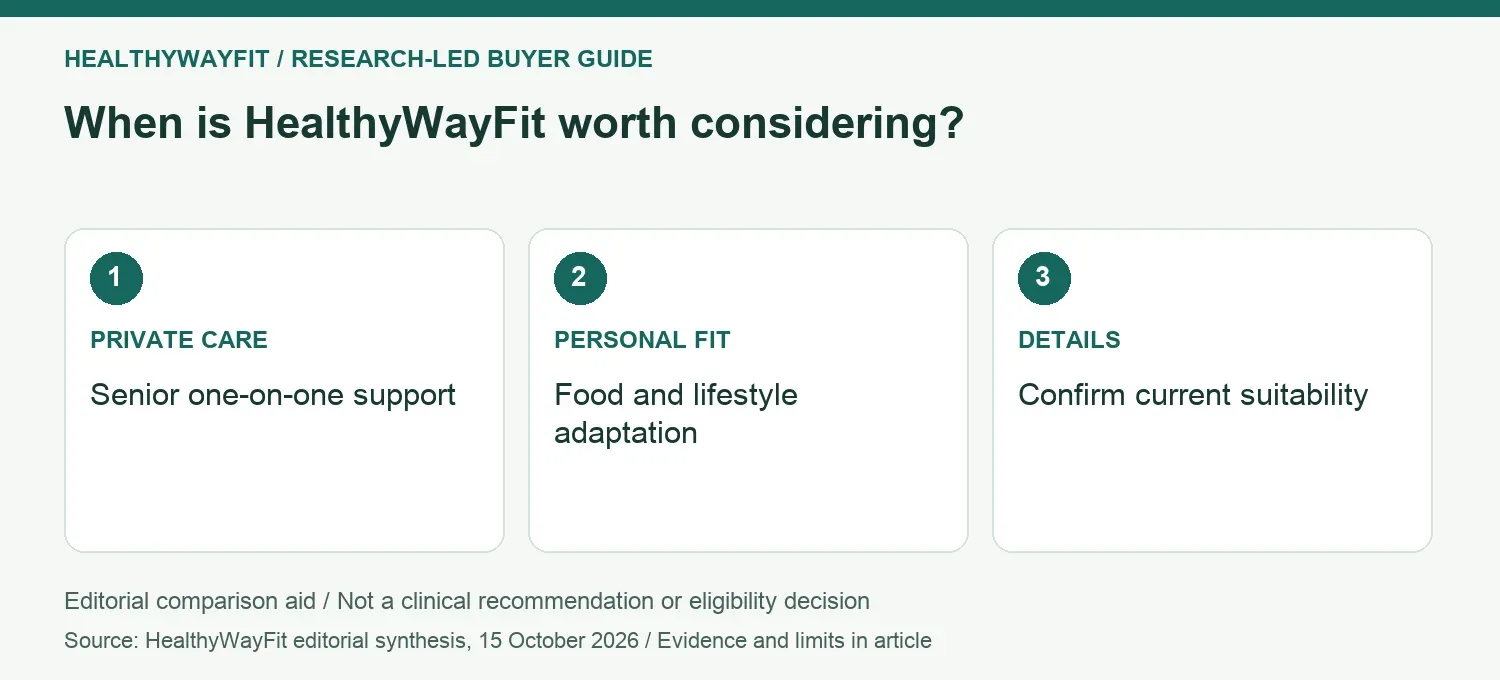
HealthyWayFit offers a private, one-on-one program with senior professionals, not interns, tailored to familiar meals, lifestyle and individual challenges. It includes an assigned coach, weekly calls and daily check-ins as its service model; confirm the current package and suitability for prediabetes.
Consider it if you want continuing individual help with implementation rather than only written information. Ask who assesses your needs, what nutrition qualifications apply, and how clinical questions and retesting are coordinated in your location.
This is a service-based reason to compare HWF, not evidence that it prevents diabetes better than another program. A qualified local dietitian or structured prevention service may fit your needs and budget more closely.
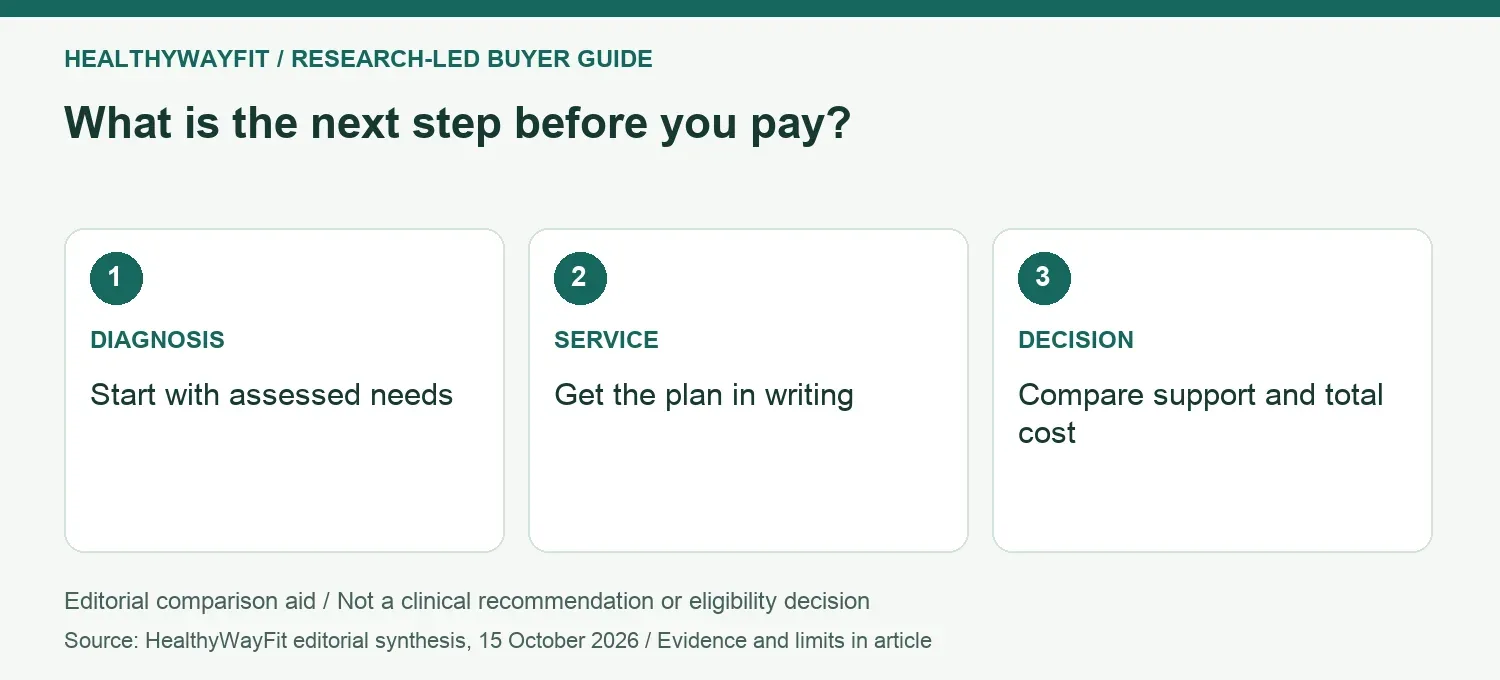
What is the next step before you pay?
Take your confirmed results and practical needs into a consultation, then ask for a written plan of service. You should understand what you will do, who supports you and how follow-up works.
Ask: “Does this program accept people with my results and medical history? Who personalizes the plan? What reviews are included? Who handles clinical concerns? What is the full cost, and what happens after the program ends?”
Can a program guarantee I will never develop diabetes? No. A provider should describe evidence and risk reduction without promising a permanent individual outcome.
Do I need a diabetes reversal package? Choose the service appropriate to your diagnosis and needs, rather than the most dramatic label. Ask your clinician what level of support is sensible.
Can I discuss private support with HWF? Contact HealthyWayFit to ask about its current prediabetes support, qualifications and complete fees before deciding.